It began, as most revolutions nowadays do, online. A little over a decade ago, Pakistani fashion’s new voices didn’t come from studios or design schools. They came from blogs, often anonymous, occasionally misspelt, but brimming with opinion. The earliest writers were the industry’s unofficial historians and critics, dissecting shows, collections and trends with a mix of fascination and frustration. Some questioned, some praised and some provoked.
Then Instagram arrived and the long form gave way to the filter. Suddenly, critique looked less like writing and more like posing. The fashion blogger became the influencer; the critic became the curator; the audience (once passive) became a market. What had started as rebellion against the industry’s hierarchy, quietly became its marketing arm. At first, the word blogger had clear boundaries — it meant someone who wrote, analysed and documented fashion with a degree of detachment. But that line soon blurred. As platforms evolved, so did the participants. Then models, stylists, photographers, and even editors, began producing their own content through their own accounts. Today, ‘content creator’ is a catch-all term, one that encompasses anyone with a following.
Flash forward to now and the pendulum has swung again. After years of influencing what people buy, Pakistan’s digital creators want to decide what gets made. Models, stylists and photographers are turning their names and aesthetics into full-fledged brands. What began with affiliate codes and collaborations has evolved into fabric orders, production deadlines and Shopify links.
This new generation of entrepreneurs isn’t defined by pedigree or fashion education; they are defined by community. They’ve spent years documenting their wardrobes, their workdays, their personal growth and, in the process, building an intimacy that traditional celebrities could never replicate.
A decade ago, celebrity in Pakistan meant distance. Movie stars and models were polished, inaccessible and often mute online. Content creators have flipped that. They’re messy, opinionated, occasionally contradictory and, therefore, more believable. Their followers trust their taste not because it’s perfect, but because it’s personal — and dare I say — more real.
After years of influencing what people buy, Pakistan’s digital creators want to decide what gets made. Models, stylists and photographers are turning their names and aesthetics into full-fledged brands.
The result is a new kind of fame, a ‘relatable celebrity’ class. These creators are not global icons, they are local. They represent a generation that sees itself reflected not on movie billboards but in Instagram Stories. And when such a creator launches a brand, the relationship doesn’t reset, it deepens. The audience feels invested, as if buying a piece of the creator’s journey. For many, it’s not just a purchase, but participation. It might seem silly reading this, but it truly is fascinating.
Some of these ‘hustles’ are born from frustration, a sense that something was missing in the local market. Several creators found existing clothes too ornate, too trend-driven or too expensive for daily life. Others saw a lack of experimentation or individuality. A few simply wanted to make things that reflected their niche interests, i.e. vintage tailoring, casual separates, subcultural streetwear or heritage crafts without the usual wedding-wear theatrics.
The gap, then, isn’t just about pricing or placement. It’s cultural. For years, Pakistani fashion has operated at two extremes: heavily embellished bridals or the low quality, bland mass fashion. The middle — thoughtful, design-led, everyday luxury — was missing. Creators, with their acute awareness of audience behaviour, are filling that void faster than bigger textile and clothing manufacturers ever could.
Some have found ways to bridge nostalgia and modernity. Stylist Mehek Saeed, who recently launched PTL, a line of luxury handbags made with age-old metalworking techniques from Punjab, put it this way: “My journey into building this brand really stems from my styling work. I’ve spent years working with local designers and homegrown labels, and that exposure gave me a clear sense of what already exists in the market and what gaps still needed to be filled.
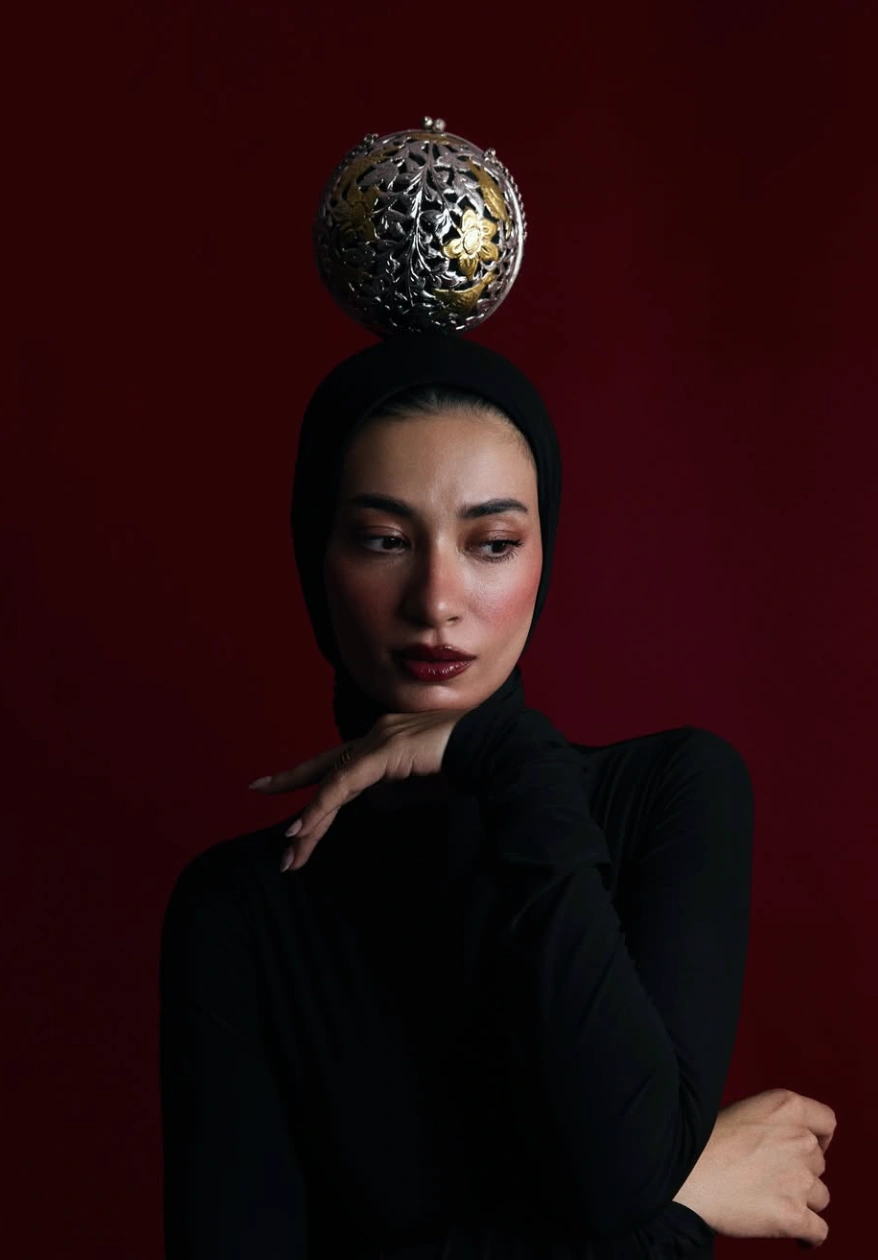
“Those years have taught me nuances I couldn’t have learned any other way. The heart of PTL is craft, particularly the artisans I work with and the heritage techniques they use,” she continues. For Mehek, the brand “isn’t just about creating accessories; it’s about documenting, celebrating and sustaining a craft that’s sadly disappearing. If PTL can play even a small role in preserving it and reintroducing its beauty to a wider audience, it would be a real win.”
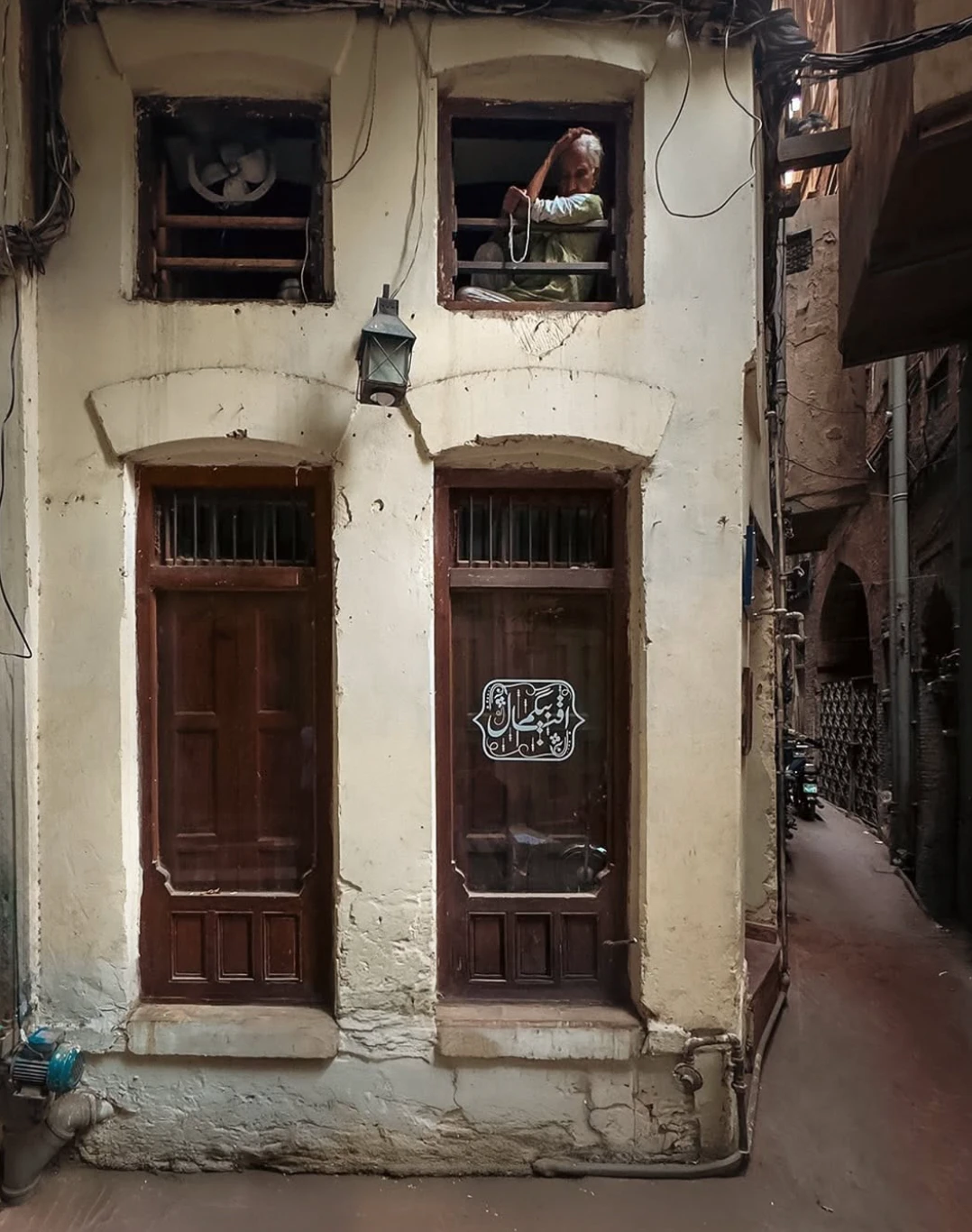
Hashim Ali, who is perhaps Pakistan's most sought after art director, has opened a curated space of clothing and objects based on memories of his grandmother’s home, an act that’s both commercial and sentimental. He explained it like this:
“My thought about starting this venture didn’t come from the need to shape my own brand. It came from the need to show a softer image of Pakistan to the world, to tell them we are more than truck art. I always felt our souvenirs and cultural elements were very surface level; I wanted to dive deeper into our history, culture and tradition to create something meaningful.
“I was also tired of working on the same visuals and identities, of putting so much into ideas that never made it to campaigns because they weren’t ‘commercial’. With Iqbal Begum, I finally get to do all that. It felt like the right time because my creative and emotional needs had outgrown what client work could offer. Everything with Iqbal Begum comes from my personal memory, thought and taste. My grandmother was the seed, and my memories and my experience of rediscovering Pakistan through art, positivity and hope became the framework.”
These aren’t just product launches; they’re acts of authorship. It's deeper than it seems. They suggest that the conversation locally is maturing beyond aesthetics and towards self-definition.
At its core, this shift is about control. For years, these creatives built visibility for others, brands and PR agencies, who needed greater reach or credibility. But influence, as many of them have now learned, doesn’t equal ownership. The only way to secure longevity was to eventually move from content to commerce.
The irony, of course, is that many of these creators never set out to be entrepreneurs. They were commentators, moodboard-makers or — dare I say — creators-for-hire. But, I guess once you see the economics of the influence, the sales spikes after a tag, the DMs asking “Where did you get this?” — it was only a matter of time before they started making and selling things of their own.
Influence, as many of them have now learned, doesn’t equal ownership. The only way to secure longevity was to eventually move from content to commerce.
And unlike legacy brands and established designhouses that are often aloof, what really works for these creator-led ventures is that they retain a sense of intimacy. Their product drops feel more personal. Their marketing comes across a diary entry. And their customer service happens in DMs.
Ironically it’s the anti-brand that became the most effective brand.
What this transformation reveals is not just a business trend, but a cultural one. The old idea of ‘designer as authority’ is eroding. Increasingly, more and more young people now trust proximity more than prestige.
When a fashion graduate talks about cuts and patterns, people nod politely. But when a creator with a 100K following says: “this fits better”, the audience listens.That's the difference. For many, the notion of ‘expertise’ has been redefined, not by degrees, but by lived experience. This shift is particularly interesting in Pakistan, where the fashion system has always been skewed toward legacy names and almost dynastic labels. The creator-led movement cuts through that, giving way to smaller, more agile businesses that thrive on identity.
There’s also an undeniable democratisation happening. A model-turned-brand-founder making everyday cotton dresses might not threaten the old couture guard, but she’s redefining aspiration. Where once ‘fashion’ meant clothes you couldn’t afford or occasions you didn’t attend, it now means pieces you can wear in real life.
That said, not all creator brands succeed. Many overestimate how easily influence translates into consistent sales. Visibility doesn’t always equal viability. Some underestimate the grind of production, the logistics, pricing and supply chains, which quickly reveal that fashion is less about moodboards and more about margins.
Unlike legacy brands and established designhouses that are often aloof, what really works for these creator-led ventures is that they retain a sense of intimacy. Their product drops feel more personal. Their marketing comes across a diary entry. And their customer service happens in DMs.
But even these failures have value. They signal a moment of experimentation, something the Pakistani industry has long resisted. For decades, the market’s imagination was confined to lawn, luxury and bridal. Now, there’s finally space for everything in between: capsule brands, concept stores, product-focused labels that reflect lived realities rather than seasonal trends.
Unlike the 2000s or 2010s, this creative energy isn’t coming from conglomerates or couturiers. It’s coming from individuals who understand culture as currency, who can build narrative, audience and product with equal fluency.
In the end, the migration from influence to commerce says less about ambition and more about larger consumer evolution. These creatives who went from being content creators to now selling wares didn’t just start doing it because they became greedy (well some may have); a lot of them evolved because the landscape has changed.
The Meta and Google platforms shifted, algorithms flattened visibility and brand collaborations became saturated. The only sustainable way to grow was to build something of their own. In doing so, they’ve inadvertently reshaped the idea of what a ‘creative entrepreneur’ in Pakistan can be. It doesn’t have to be bridal clothes or oversized t-shirts and hoodies. It can be thoughtful, regionally rooted, niche — and still profitable.
Perhaps that’s the quiet revolution of our time: a generation that started by taking selfies has ended up taking control. And if that sounds like a cliché, it’s only because we’ve finally reached the point where it’s true.
Aamir Ali Shah is a savvy marketing consultant, while by night he passionately curates aamiriat, a blog dedicated to fashion critique, South Asian fashion history, fragrances, and book reviews.