Listening to Strings has an instant effect: one note in and you’re back in the booming Pakistani music scene of the late 90s and early 2000s, when pop ruled the airwaves and lyrics stayed with you long after the song ended. For an entire generation, Strings was music and memory, mood and meaning stitched into everyday life — all in equal measure.
That’s why March 25, 2021, hit hard; it was the day Strings officially called it a wrap. Fans were devastated, even if the breakup came gracefully. In interviews, the band shared that they wanted to step back and give more time to their families. It was a respectful ending, but for many millennial listeners, the attachment never really loosened. Many fans never moved on from the music, because honestly, for us, there was nowhere else to go after that era.
Since then, Faisal Kapadia’s journey has taken a noticeable Middle Eastern turn. Now based in Dubai, he’s explored life beyond the band while staying deeply connected to purpose-driven work. One of the most meaningful chapters has been his role as TCF’s Brand Ambassador. Last year, on November 2, he appeared at Umeed 2025 at The Agenda, Dubai, an event dedicated to supporting education in Pakistan. With performances by Hassan Raheem and Shae Gill, the night brought together music, hope and intention. For the Pakistani diaspora in the UAE, it felt personal — art meeting community, far from home, but rooted in it.
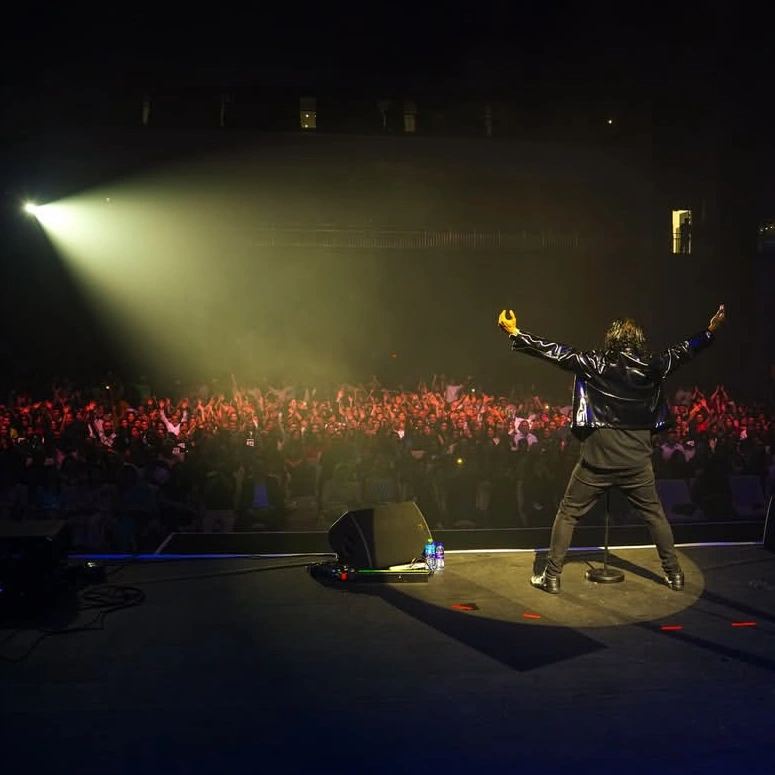
The crowd’s behaviour said everything. Composed of mostly millennials, many of whom had grown up with these songs playing in the background of their lives, the audience showed that the love for Kapadia’s (and Strings’s) music has not dimmed. From the first track, the audience was singing, remembering, reliving.
That emotional continuity carried straight into Kapadia’s latest musical venture, Phir Milenge. The tour made its way back to Pakistan, beginning in Karachi, then Islamabad on December 27, 2025; it will finally culminate in Lahore on January 10, 2026. Curated by Eventus, the experience was smooth, thoughtful and refreshingly punctual. A genuine shoutout is due for bringing a show like this to Pakistan with such care.
The crowd’s behaviour said everything. Composed of mostly millennials, many of whom had grown up with these songs playing in the background of their lives, the audience showed that the love for Kapadia’s (and Strings’s) music has not dimmed. From the first track, the audience was singing, remembering, reliving — yours truly included.
Chaye Chaye arrived like a burst of collective happiness, instantly lifting the venue. Dhaani followed with its calm, reassuring warmth, the kind that feels like emotional homecoming. Mera Bichra Yar, a heartfelt classic, carried the ache of longing that never really fades.
Sar Kiye Yeh Pahar, a major hit from Strings’s second album 2, reminded everyone why the band’s early success felt so inevitable, while Kahani Mohabbat Ki Hai Mukhtasar flowed gently, its short and poetic composition leaving space for reflection.
One of the night’s most special moments came with Meri Sohniye. The surprise appearance of Sarwat Gillani, who had featured in the song’s video back in 2004, felt surreal and intimate, like a shared secret between the stage and the audience.
As the night progressed, the emotional graph kept climbing. Najane Kyun, known for its evocative lyrics and famously featured on the Spider-Man 2 (2004) soundtrack, especially its South Asian release, felt cinematic yet deeply personal. Then came Zinda, from the 2008 album Koi Aanay Wala Hai, a powerful anthem about perseverance that hit hardest live, packed with urgency and hope.
On guitar, Shallum Xavier was an experience unto himself. High energy and sharp control. No one competed for the spotlight; it was all about the music, and it worked. The chemistry pulled the audience straight back in time. And then came their, arguably, most popular song: Duur. It felt like quiet distance wrapped in melody, a song that understands longing without ever needing to say too much.
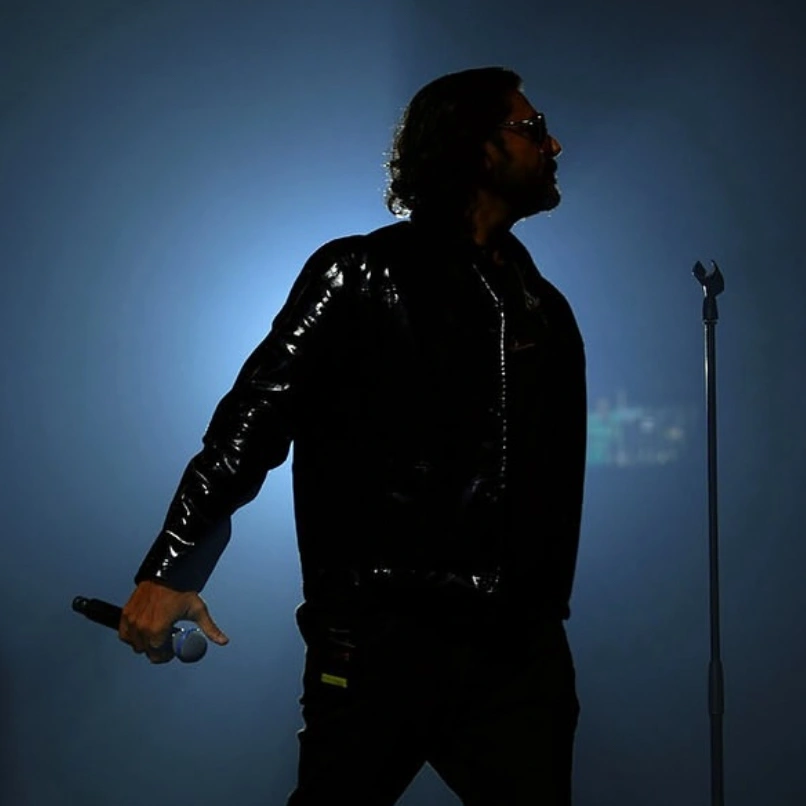
Kapadia then shifted into tribute mode, offering short renditions of songs that shaped his own musical journey. Ranjish Hi Sahi carried timeless heartbreak with quiet dignity. Aaj Jaane Ki Zid Na Karo lingered like a soft plea you didn’t want to end. Woh Humsafar Tha unlocked an entire era of love and loss. A gentle hum of Us Rah Par by Vital Signs triggered instant collective nostalgia. Toh Kiya Hua and Aitebar echoed resilience and trust. Zara Chehra Toh Dikhao by Zoheb Hasan brought back classic pop charm. Manwa Re by Noori closed the tribute set with introspective calm.
The night ended exactly where it needed to, with Ae O Ae O Aa. The World Cup anthem turned the venue into one loud, joyful chorus, blurring generations and geographies.
For fans in Pakistan and across the Middle East, Phir Milenge felt like proof that music travels, across borders, years and lives, and somehow still feels exactly like home.
At this stage of his career, Kapadia’s legacy feels less about nostalgia and more about stewardship. What he carries forward is not just a catalogue of hit songs, but a way of making music that values sincerity over spectacle and emotional truth over trends. As a fan, that feels deeply reassuring. In an industry that often rushes to reinvent itself for relevance, Kapadia seems comfortable letting the music breathe, trusting that songs rooted in honesty will always find their listeners. His post-Strings journey shows that evolution does not require erasure. It can be quiet, thoughtful, and still powerful.
What I hope his legacy achieves is continuity, a living bridge between generations. For younger listeners, his work offers a window into an era when Pakistani pop was confident, lyrical and unapologetically melodic. For those who grew up with Strings, it offers permission to hold on without being stuck, to revisit old emotions with new understanding. There is something deeply generous about that. Kapadia does not perform as someone trying to reclaim youth or relive glory; he performs as someone who respects the passage of time and invites his audience to do the same.
Beyond the music, his engagement with education and community work adds another layer to that legacy. It suggests that artistry does not exist in isolation, and that influence carries responsibility. As a fan, I hope his path encourages other artists to see longevity not just as staying visible, but staying relevant in meaningful ways. If Phir Milenge is any indication, Kapadia’s lasting contribution may be this: reminding us that music can grow older with grace, still offer comfort and continue to feel like home, no matter where you are listening from.
Sara Danial is an independent writer from Karachi, Pakistan.