Open Brackets
Rupture Anthem, Hera Naguib’s debut collection of poems, is at once a resolute, beautiful roll-call of the things that b...


Our essential reads for the week
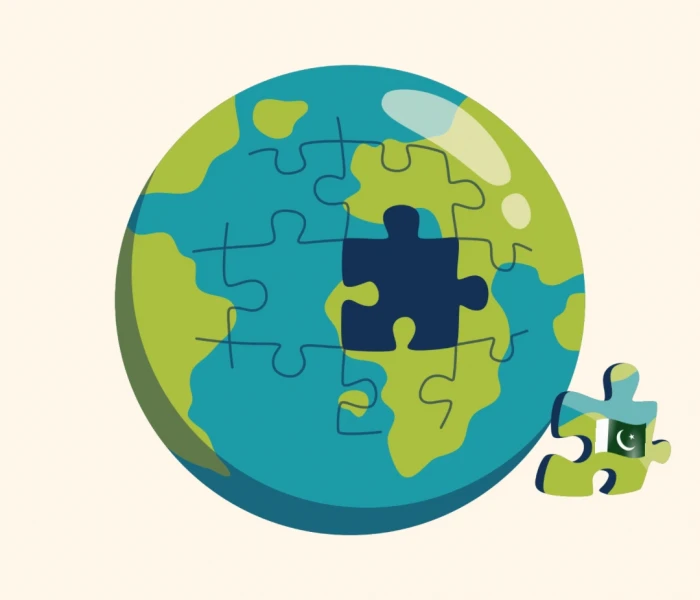
What do Pakistanis stand to gain from the state’s navigation of the emerging multipolar and increasingly militarized world order?
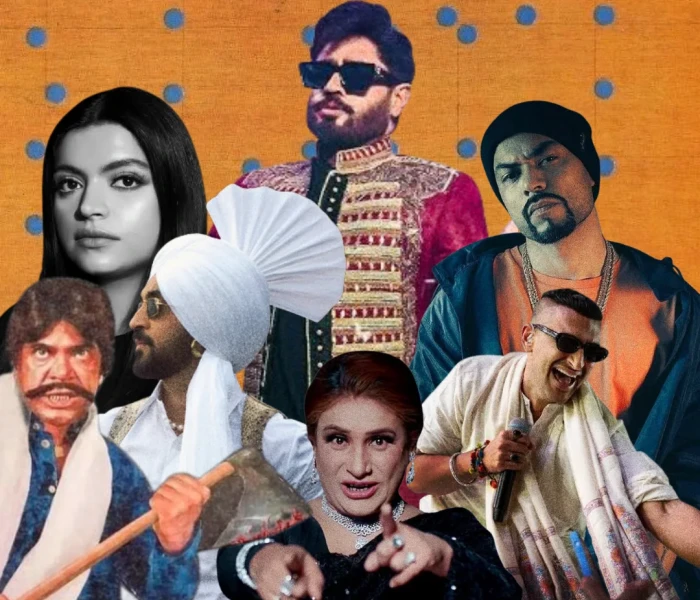
For many Pakistani Punjabis who spent generations shedding their language for Project Pakistaniyat, their mother tongue is suddenly en vogue
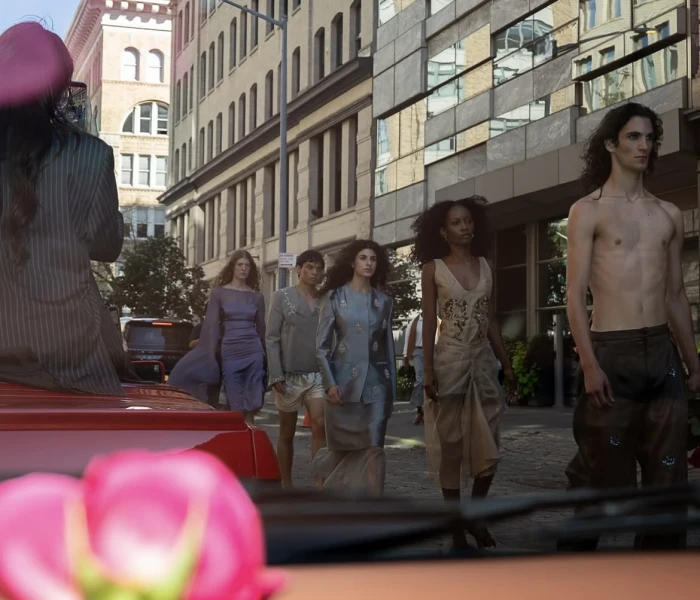
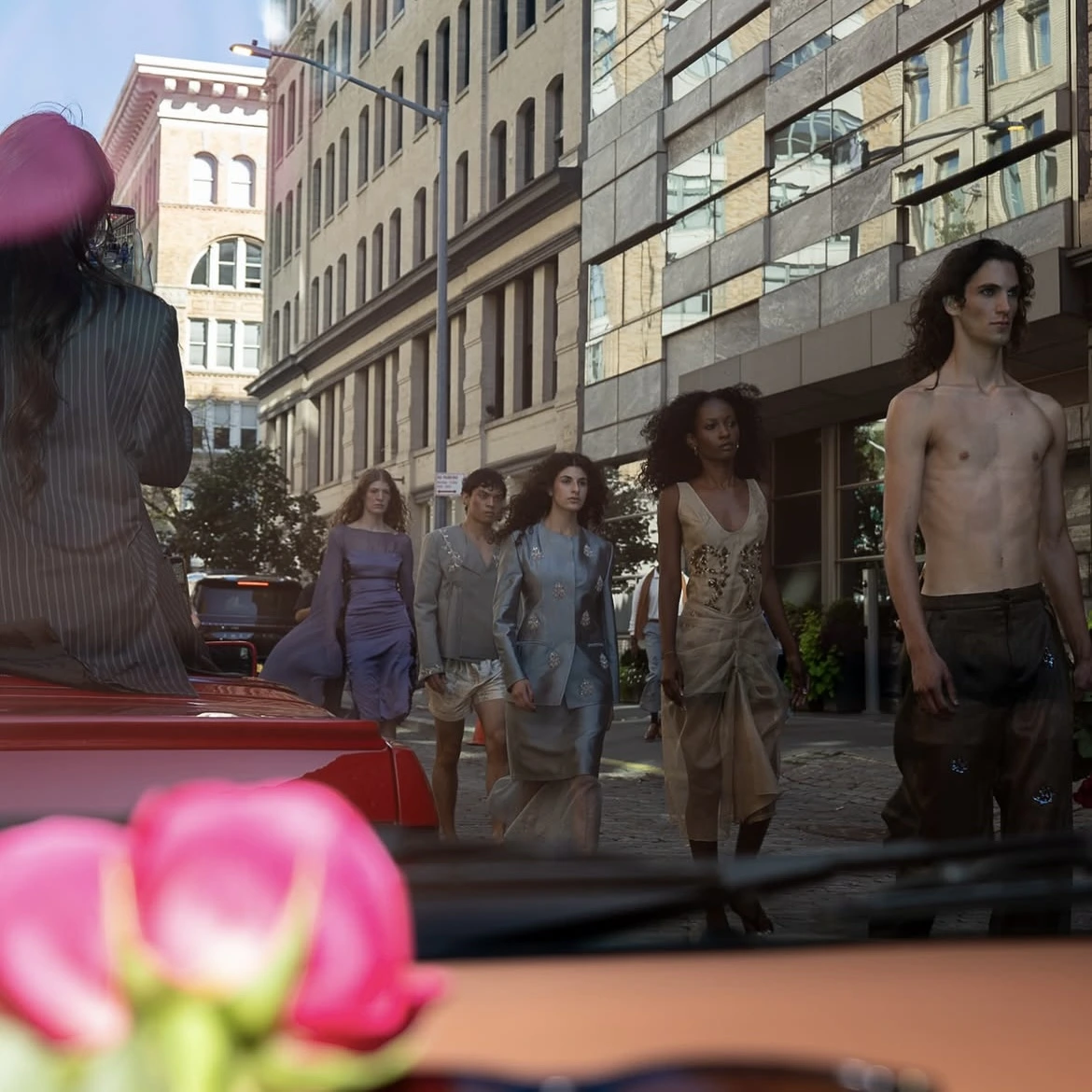
The brand's showcase in New York uses the city to develop an audience for a particular kind of Pakistani design: clothes that can sit within a Western wardrobe while retaining their South Asian vocabulary.
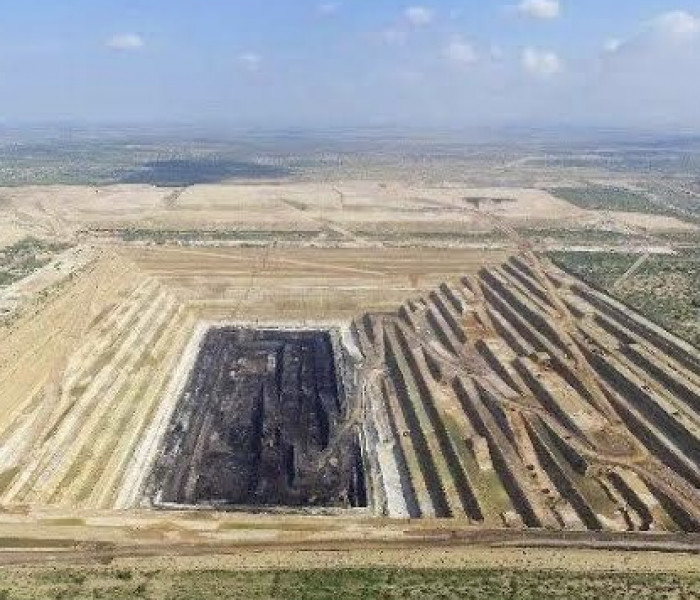
Afforestation has been employed as cover to protect corporate interests while so-called development in Thar is choking the landscape and significantly worsening the quality of life for residents
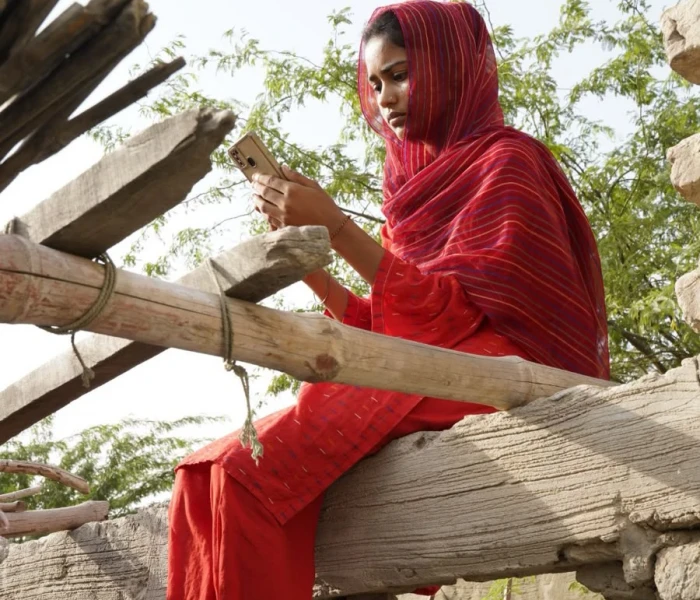
Can digital connectivity improve the status of women farmers in the agrifood sector?
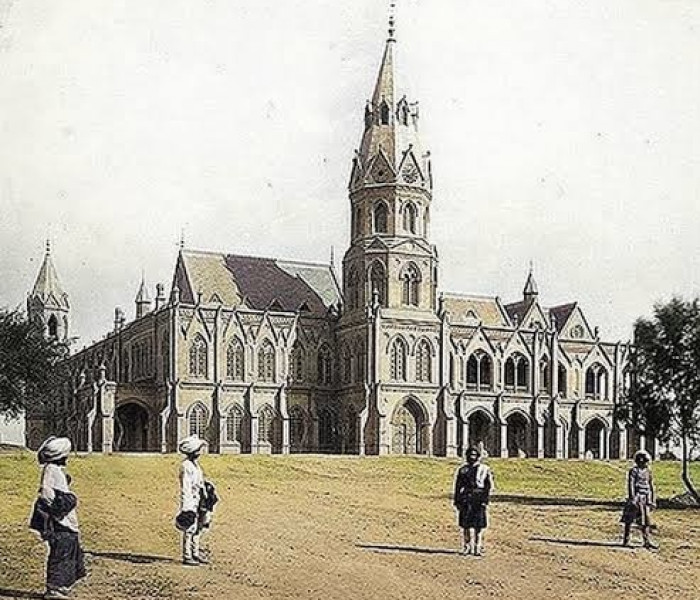
The city as the main character in one writer’s quest for discovering his own voice
Rupture Anthem, Hera Naguib’s debut collection of poems, is at once a resolute, beautiful roll-call of the things that b...

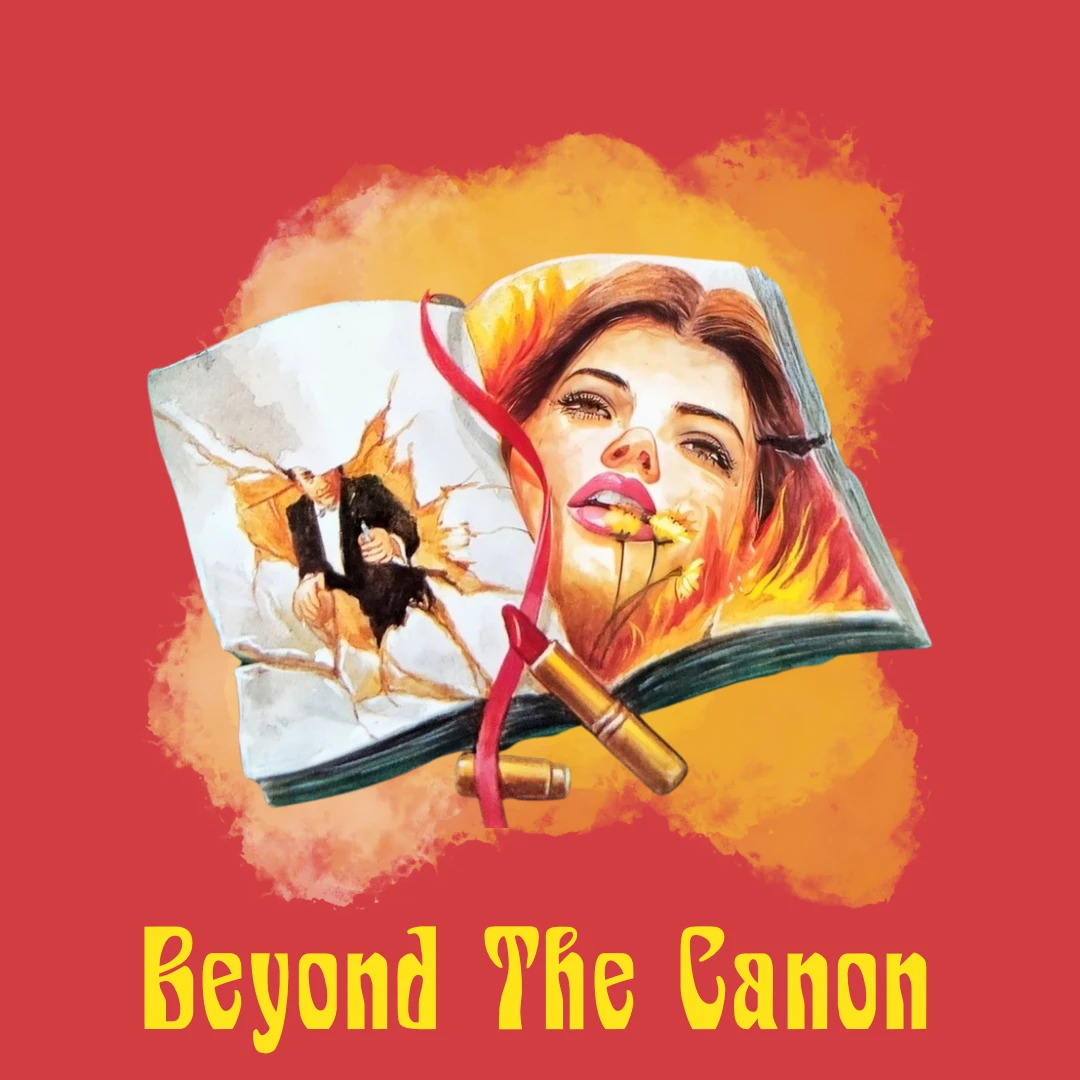
With its almost fantastical sleuths, wily criminals and neverending plot twists, the pulpy Urdu and Hindi detective nove...
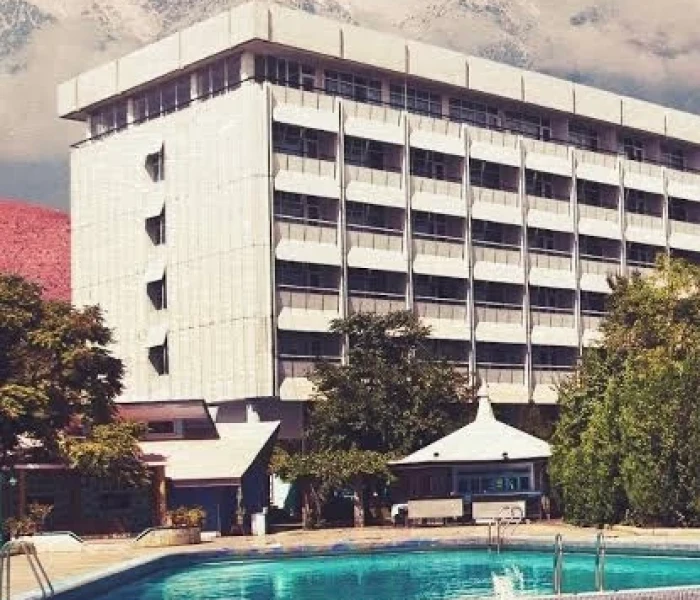
This year’s Women’s Prize winner fills an important gap in contemporary histories of Afghanistan, but leaves the reader...
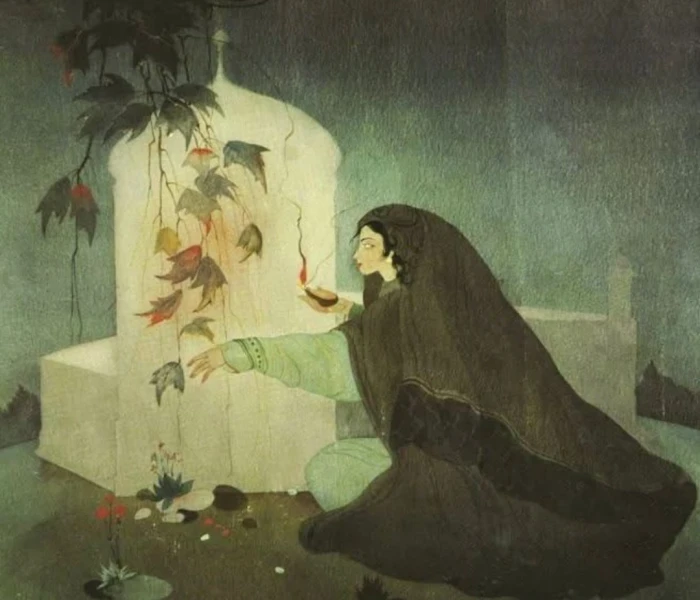
The daily horrors that animate the interior lives of women find themselves externalised as the uncanny
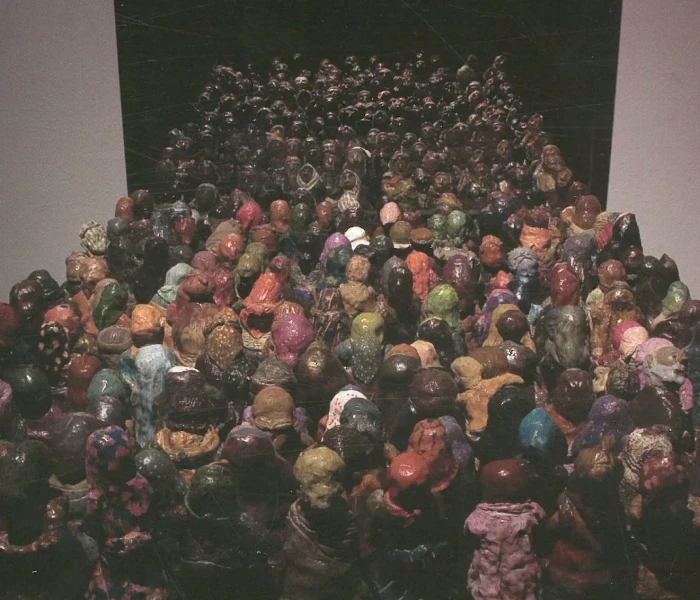
The political imaginaries of Iran’s most lauded literary voices in the West
Dalrymple reframes ‘Partition’ as the proper noun in the South Asian imaginary into a verb
At the center of Mina Malik’s 𝘙𝘰𝘨𝘶𝘦 𝘗𝘭𝘢𝘯𝘦𝘵 is a woman who, cleansed by grief and anger, can finally see clearly
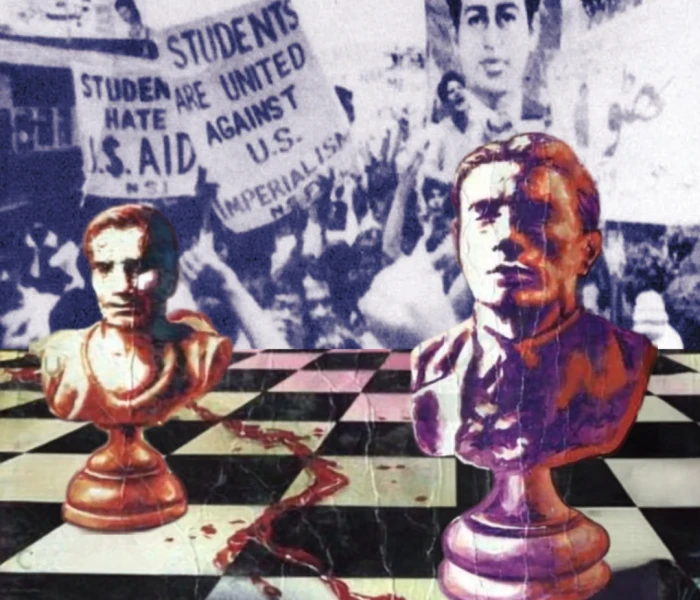
Leftist intellectuals and the creator of Ainak Wala Jin have more in common than we may assume

By Saba Imtiaz

By Umair Javed

By Maryam Jillani
By Haroon Sethi

By Manahil Tahira
By Nudrat Kamal
Stories, Cultures, and Landscapes
Reflecting on the Zeitgeist
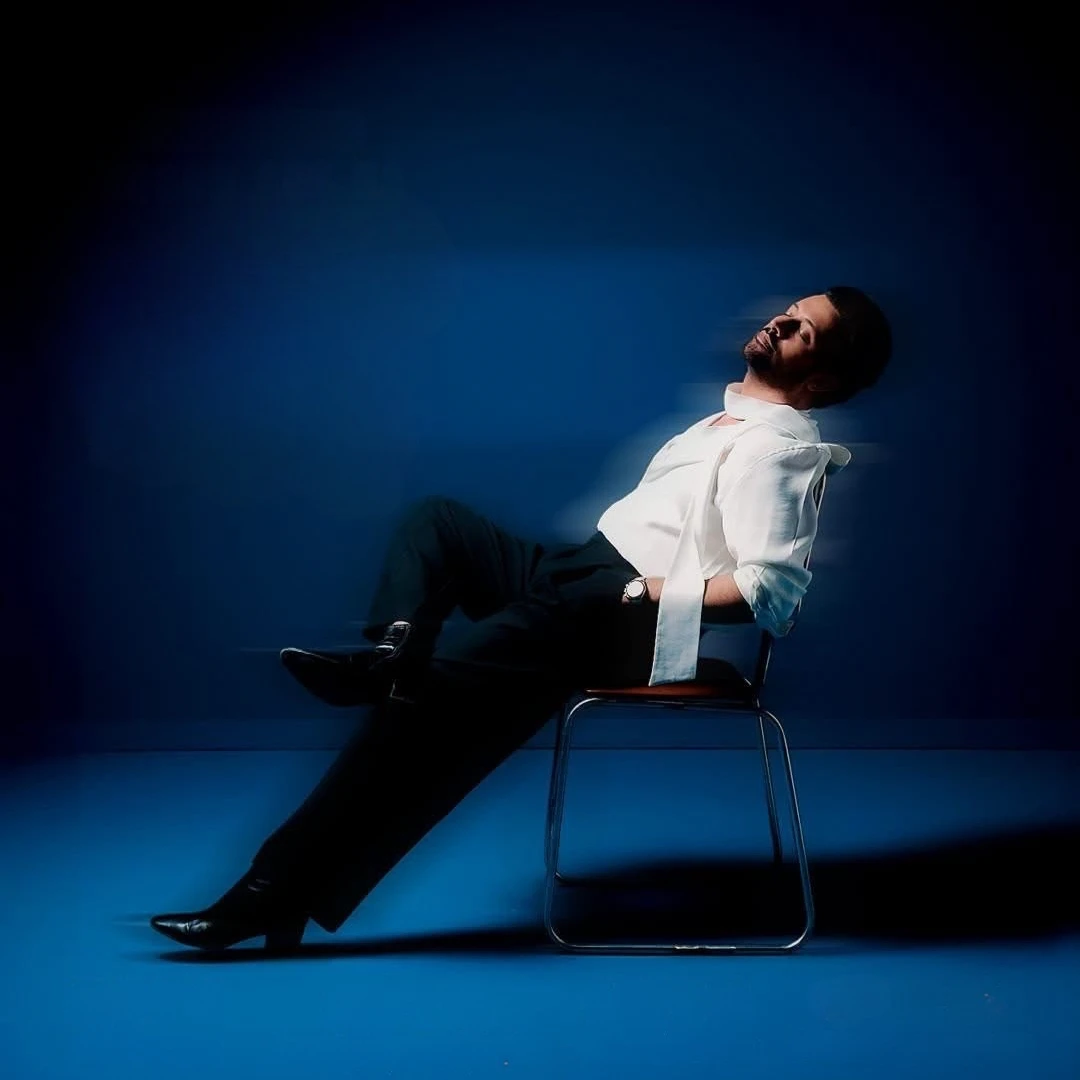
To understand Atif Aslam’s comeback album, you must first understand his journey from ‘Kinara’ to ‘Kinaare’
Sep 10, 2026
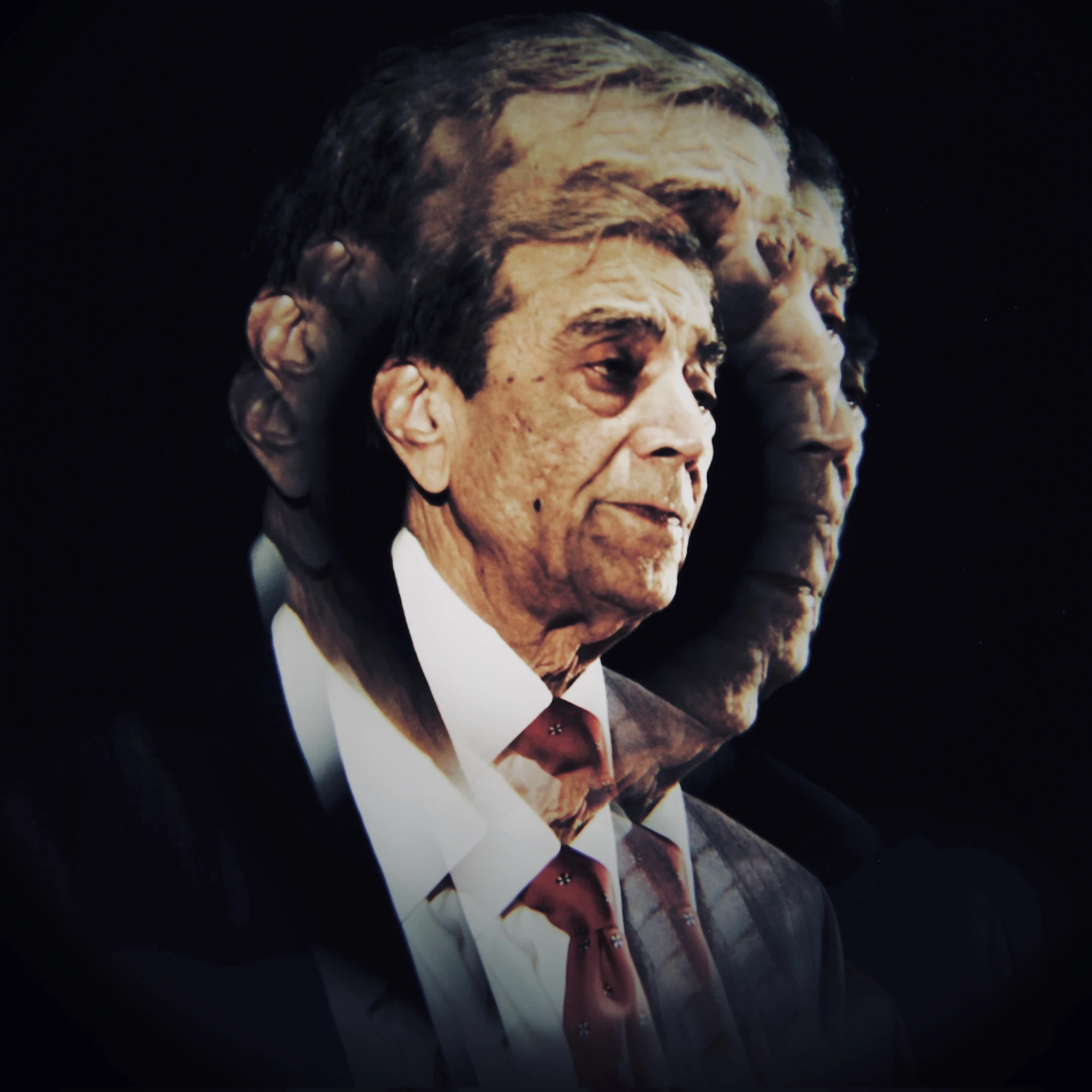
A reflection on filmmaker Umar Riaz’s ‘The Colour of My Heart’, produced by Asna Pictures.
Sep 04, 2026
To understand Atif Aslam’s comeback album, you must first understand his journey from ‘Kinara’ to ‘Kinaare’
Sep 10, 2026
A reflection on filmmaker Umar Riaz’s ‘The Colour of My Heart’, produced by Asna Pictures.
Sep 04, 2026
The city as the main character in one writer’s quest for discovering his own voice
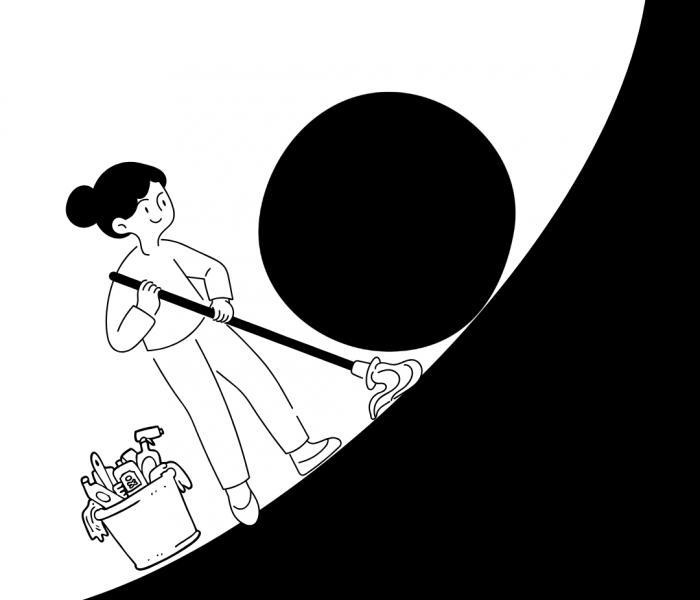
One woman’s neurotic descent for the aesthetic
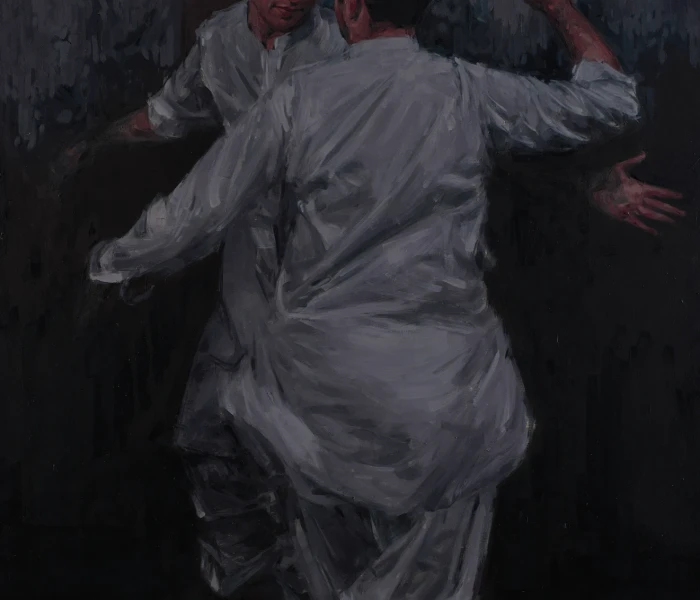
What is Pakistan once the lights are off?
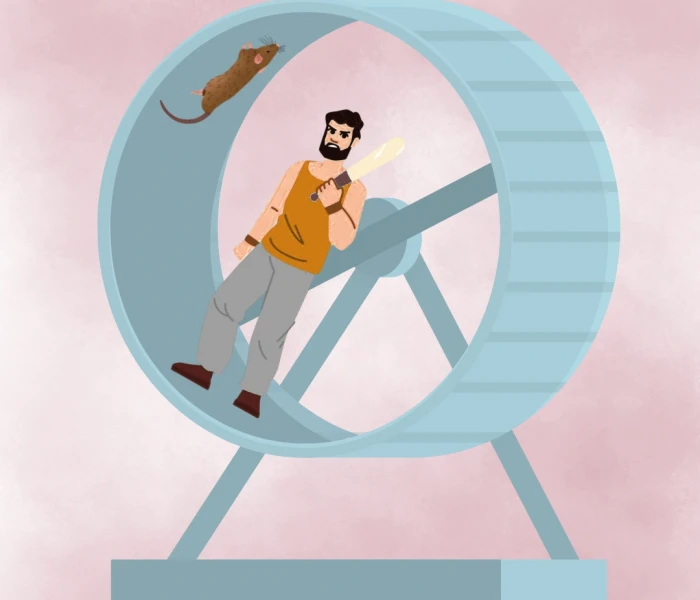
Some tasks are written for the sons of the house, such as getting dahi from the corner store, or killing the odd rat found scurrying around the house. What happens when the son in question tries to outsource the hit job?
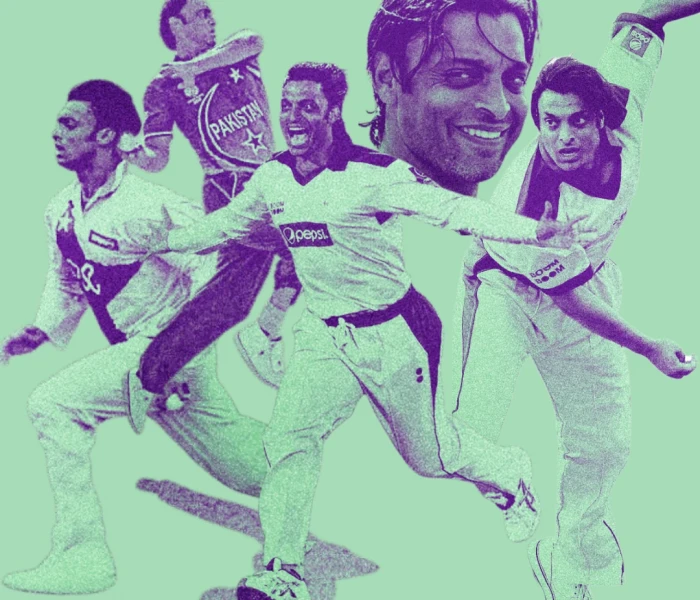 SPORTS
Shoaib Akhtar, an era-defining bowler whose run-ups became the stuff of cricketing legend for how they commanded the emo...
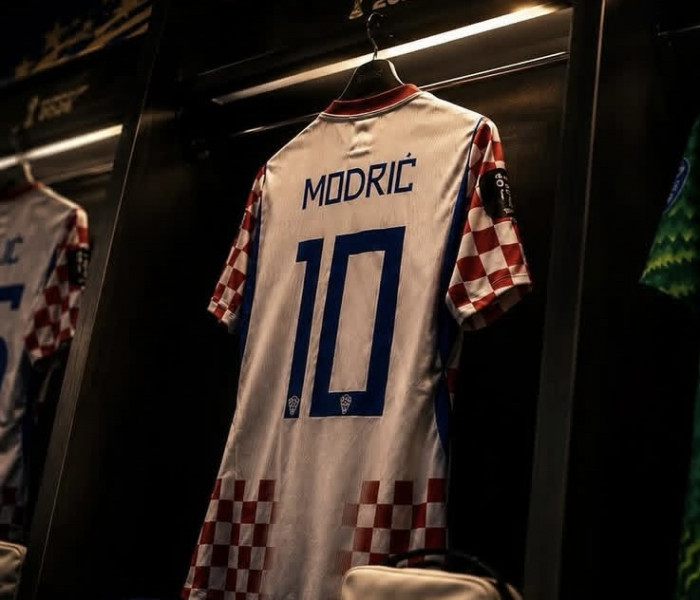 SPORTS
Luka Modrić redefined the art of football in a way few players have.
When an algorithm selects a target, who carries the responsibility for the death that follows? Constitutional lawyer Maryam Ali Abbasi surveys the current state of AI-powered systems in global warfare and the development of legal frameworks.
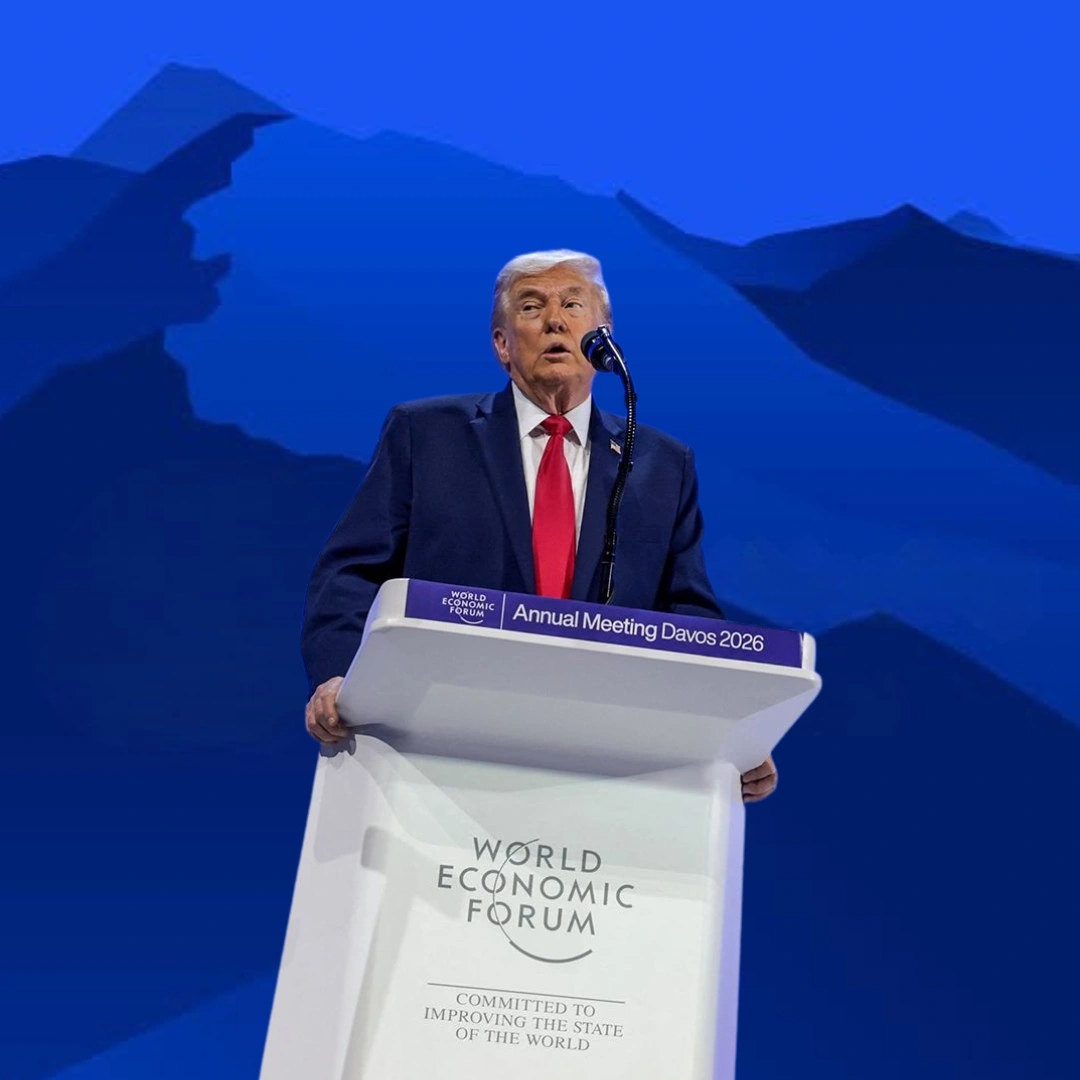
At the 2026 World Economic Forum in Davos, the European Union and its leading member states were no longer willing to quietly acquiesce to Washington’s demands under President Donald Trump.
Trump’s interest in Greenland is not new. During his first term, his suggestion that the United States should ‘buy’ Greenland was widely mocked, dismissed as a diplomatic oddity. Ahmad Jamal Wattoo looks at the strategic logic beneath the spectacle.