Marne ke martabe mein hain ahbaab
Jo shanasa mila so be asbaab
(My friends all seemed to death, near
Whoever I met had lost all possessions, once so dear) *
* Mir Taqi Mir while leaving Delhi for Lucknow in search of employment. Translated by Rana Safvi
In Urdu poetics, Shahr Ashob or “the city's misfortune”, having Turkish-cum-Persian roots, is a genre of lamentation-ridden poetry expressing anguish and sorrow over political and social shifts. It emerged in 18th-century India amid socio-economic upheavals, particularly following invasions such as Nadir Shah’s sack of Delhi in 1739, though it is originally attributed to Masud Sa’d Salman (1046–1121 AD). While the classical Urdu tradition is often, at least in the public sphere, post reel-ification, associated primarily with ghazals (which, as Shadab Zeest Hashmi notes in Ghazal Cosmopolitan, express the inexpressible for an absent beloved) and considered the most palatable expression of this archaic yet vibrant tradition, why cannot the destitution of a city itself serve as the poet’s subject matter? Besides an anthropomorphic beloved and one’s family, what is more infatuating to a person’s sense of belonging than the place of dwelling?
It speaks to them in an interpersonal language that cannot be construed within the trap of consciousness, as Ghalib said about the subject of his speech, “āgahī dām-e-shunīdan jis qadar chāhe bichhā.e / mudda.ā anqā hai apne ālam-e-taqrīr kā” (However wide consciousness may spread the snare of listening, / the intent remains an anqā [ungraspable] in the realm of my speech). Or the zeal and zing that Javed Akhtar captured, in his seminal poem, about the room he left, “wo kamra yaad aata hai” (that room comes back to me).
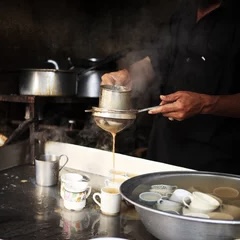
To me, that home is Peshawar — one of the oldest continuously inhabited cities in South Asia. It is a frontier town, with the Khyber Pass serving as the gateway to the Subcontinent, through which countless travellers once ventured in pursuit of the fabled riches of India. Their tales of fortune and misfortune are still worthy of being told and retold in the qahwa-khanas of the famed Qissa Khwani Bazaar and the world.
We ordered about three and a half bowls, serially, brimming with meaty stew, bone marrow, the paye themselves, and layers upon layers of fat, infused with pungent spices and a mesmerising aroma.
Yet, unfortunately, the “wonderful fields of flowers” described in the Baburnama have given way to piecemeal concrete. The air is unbreathable; basic provisions, including health and education, are subpar vis-à-vis other provinces. Worse still, the city remains subject to the widespread malaise of terrorism. This destitution is rooted in a political economy operating at two levels: nationally, in the form of an archaic NFC and dysfunctional local government financing (PFC and DFC), despite the spirit of the 18th Amendment and Article 140A of the Constitution; and provincially, where successive chief ministers remain parochial, developing only their respective cities or districts. All of this fits squarely within the canvas of Shahr Ashob.
The walled city — reflecting a traditional Central Asian concept of a high citadel dominating the widely scattered dwellings of the common people — offers a multifarious dynastic history and, ipso facto, a richly layered cultural tapestry. This depth of history is perhaps most vividly expressed in its culinary tradition. As old-school Bollywood teaches, “the way to a man’s heart is through the stomach” — Peshawar’s cuisine is at once complex, brutal and delightful, a perfect recipe to smite one’s heart, shaped by a mosaic of tastes refined over thousands of years by successive rulers and travellers, from the Mauryans and Kushans to the Mughals and Sikhs. Signature dishes, inter-alia, such as channa mewa pulao (rice topped with chickpeas and raisins, distinct from Kabuli pulao), shola (a variant made with Charsadda’s short-grain rice), paye, Bukhara haleem (a sweeter, thicker stew akin to Persian haleem), and its unique qahwa reflect a confluence of Central Asian and subcontinental flavours.
All of this has, over the years, acclimatised (and crystallised) the taste buds of foreigners to the city’s esoteric, scintillating flavours. As Professor Claire Chambers of the University of York recalls, in The Peshawar Review, at just seventeen, while teaching in a school in Peshawar, she savoured “the savouriest, crustiest yet fluffiest naans” and still sometimes reminisces: “How could I be content with orange processed food after eating crocodile-like vegetables, chillies to make me cry, or spiritually treacherous crab apples? It was then that I knew the subcontinent had forever changed my taste buds – and me – for the better.” And to the dwellers (Peshawaris), like the scribe, these indigenous cuisines are simply something of our own.
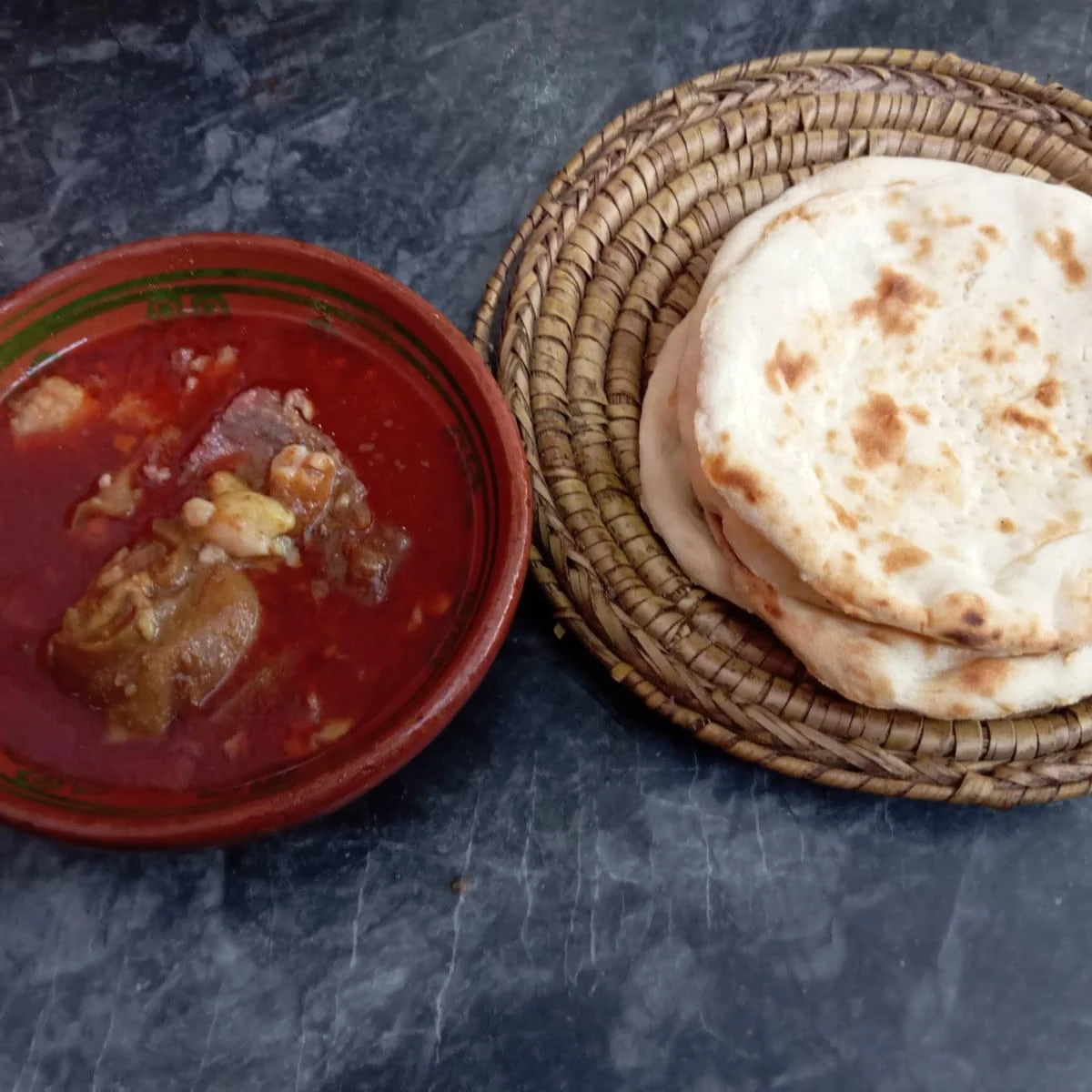
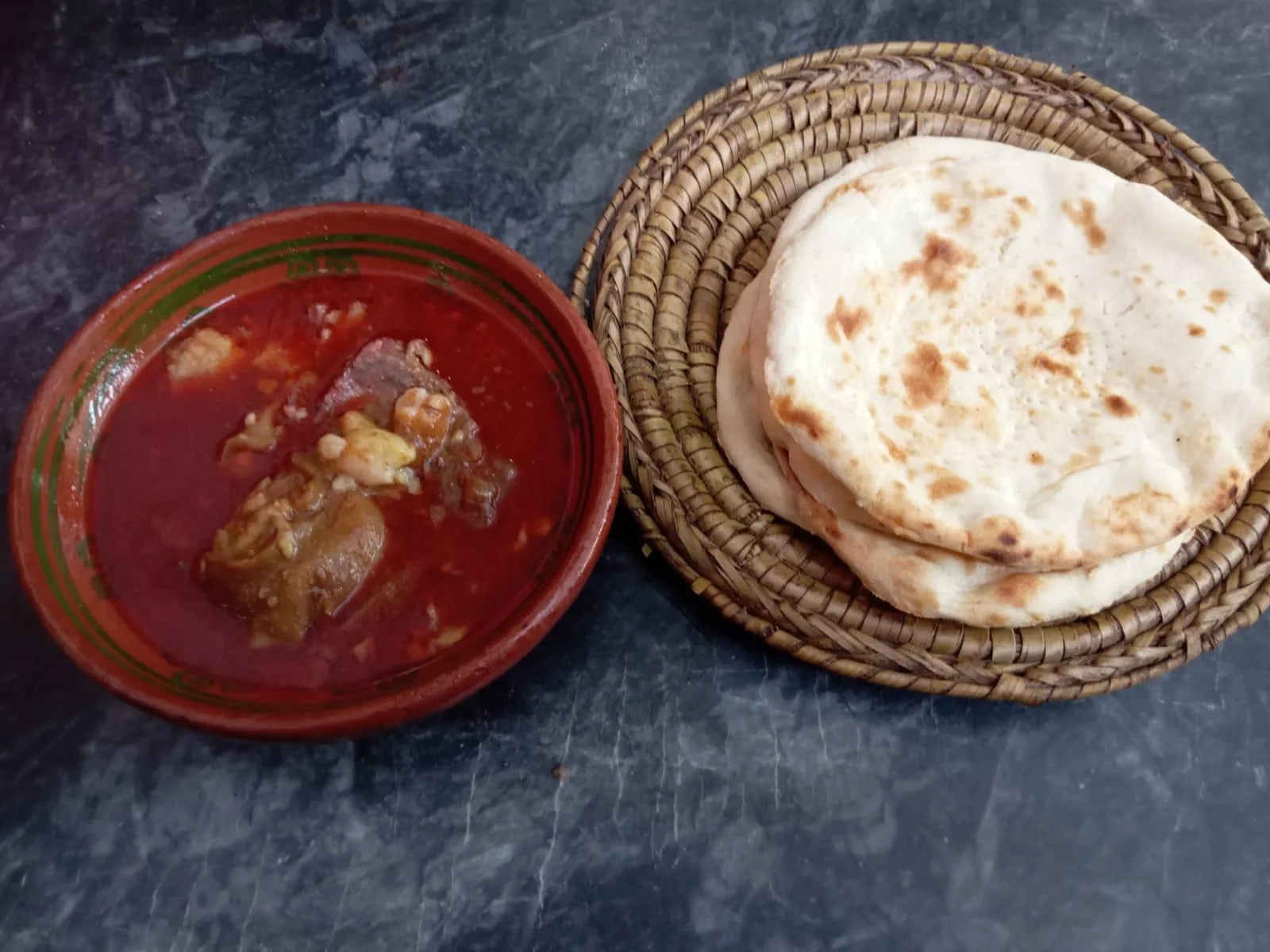
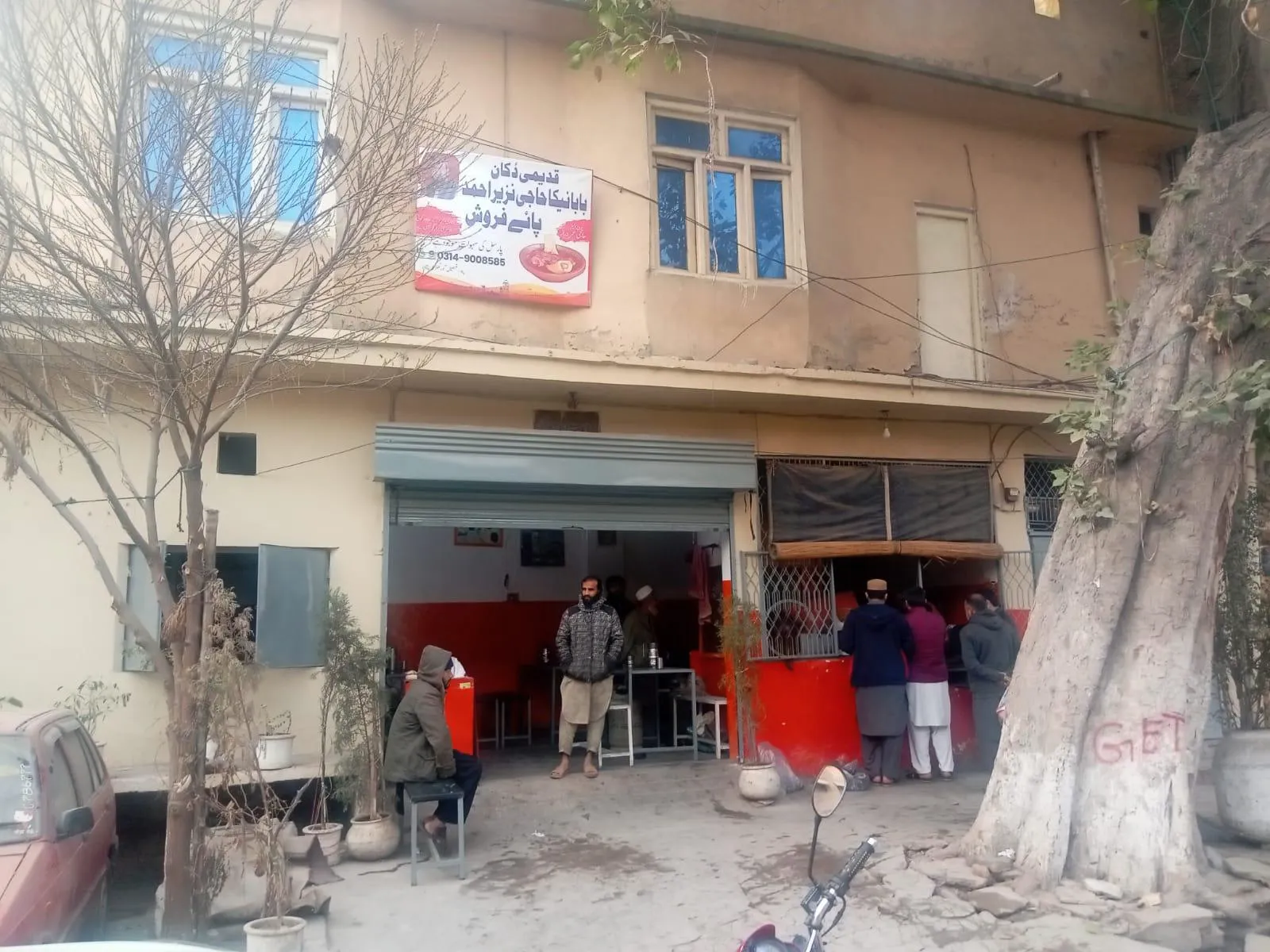
While Lahore (or Punjab more broadly) is often regarded as a haven of indulgent, fatty breakfasts, Peshawar is no less formidable in this regard, particularly when it comes to paye, and especially the famous, or infamous, from a health-conscious lens, Nikkay Kay Paye, said to have been established in 1826, nearly two centuries ago. The veracity of this claim is not our concern here, rather, the mouth-watering richness of its flavours. These flavours speak to the period of time it must have taken for such an institution, and this offering, to emerge, sustain, and flourish.
Personally, I am not a fan of indulging in greasy cuisine (something my ‘Peshoritop’ [Peshawari-ness] is not proud of); nonetheless, each winter I take a deliberate detour for this fat-laden bowl. And so, following the yearly tradition, on a random Sunday morning, I went there by rickshaw with two friends. The rickshaw driver had a picture of a political party leader affixed to the frame of his vehicle and was quite vocal about his partisan ideologies. He also seemed to have a grasp, though neither particularly authentic nor intricate, of the realpolitik (explicit caution: this has nothing to do with overzealous pressers) prevailing in the country. While my views were antithetical to his, I chose not to engage, preferring to arrive without inconvenience.
We arrived at around 7:00 a.m. and found many people already seated, some accompanied by their families, despite the neck-breaking cold and prices as outlandish as the taste. We ordered about three and a half bowls, serially, brimming with meaty stew, bone marrow, the paye themselves, and layers upon layers of fat, infused with pungent spices and a mesmerising aroma. About the taste, I can safely say, it was excellent through and through. The downside was the humdrum ambience, hatcheting the value for money; moreover, the tax consultant in me noticed a lack of robust legal and regulatory compliance.
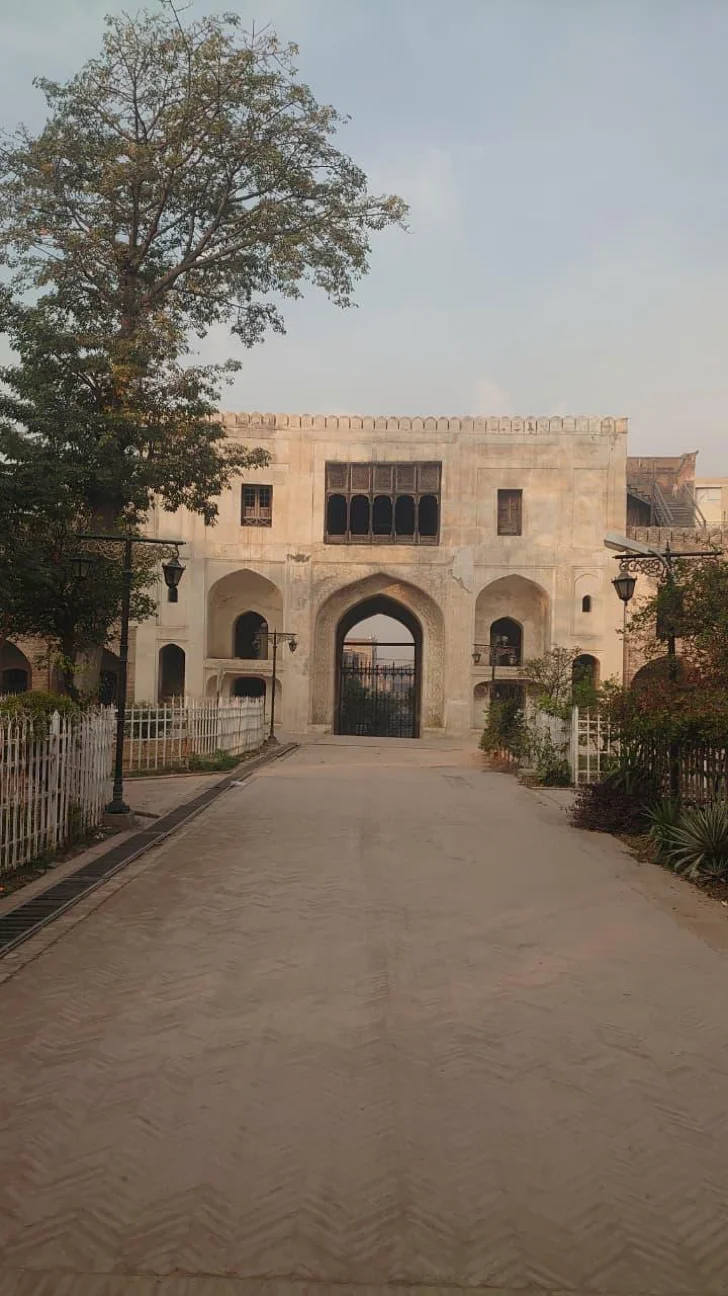
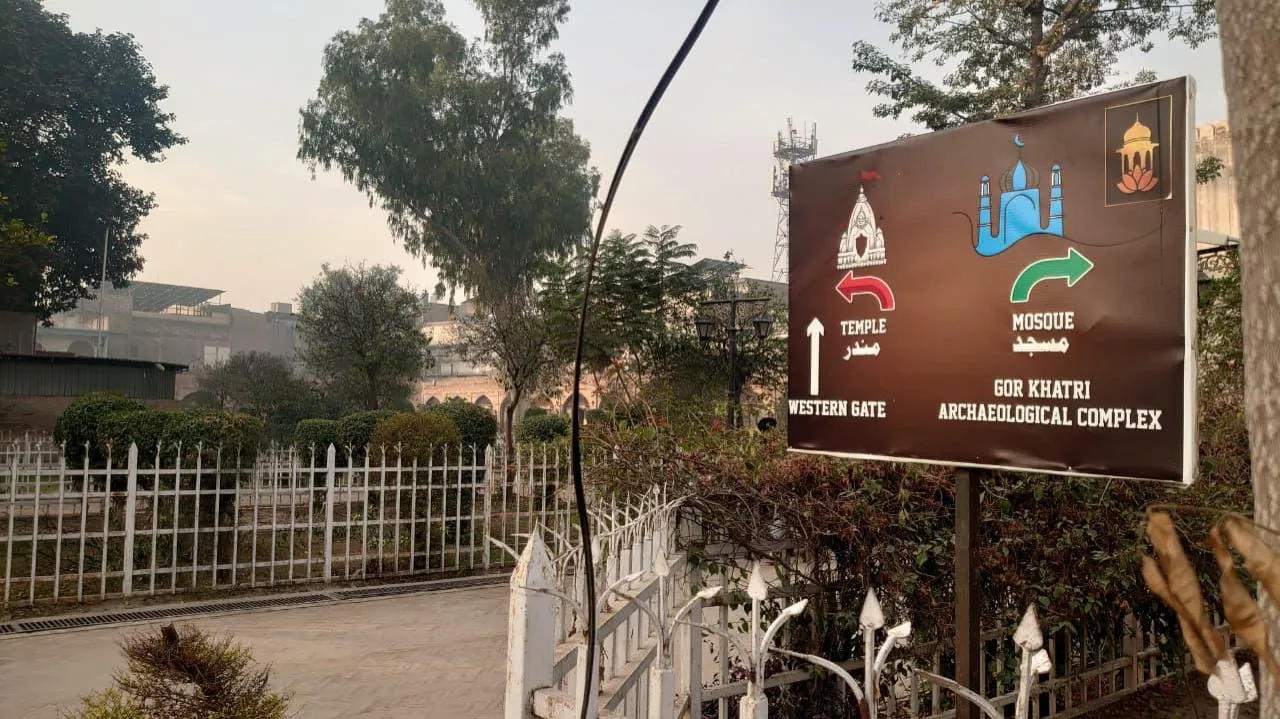
The location, too, is historically intriguing. The shop sits in the shadow of Gor Khuttree, a historic caravanserai whose recorded history dates back to Babur. It was regarded by both Akbar and Jahangir as a place associated with jogis — Hindu ascetics who came here to shave their heads in honour of their ancestors. Later, Shah Jahan’s daughter, Jahan Ara Begum, converted the site into Serai Jahanabad, adding a Jami Masjid and a hammam.
Subsequently, the mosque was destroyed during the Sikh period and the site was repurposed as the official headquarters of their mercenary general, Paolo Avitabile, who served as governor of Peshawar from 1838 to 1842. A temple of Gorakhnath was later erected in its place. And now, a mosque stands squarely facing the temple, reflecting the inclusivity and religious tolerance that once defined Peshawar before the Afghan war. Although the government has recently renovated the complex, including, inter-alia, adding informational boards that outline the site’s history, it remains largely neglected. Sadly, when I visited, stray dogs roamed the premises, with only a handful of people out for a morning walk.
It may take a while to fully digest this extraordinary breakfast, but its historic taste will linger long after, and I hope it may nudge me — or some other reader-poet — to write a Shahr Ashob, tempered with hope for a better, more prosperous future for the city and its people.
All photos courtesy of the author.

Furqan Ali is a Peshawar-based researcher and writer on governance, climate, gender, finance and literature; he is also the co-founder of Policy Club. Furqan can be reached at [email protected]