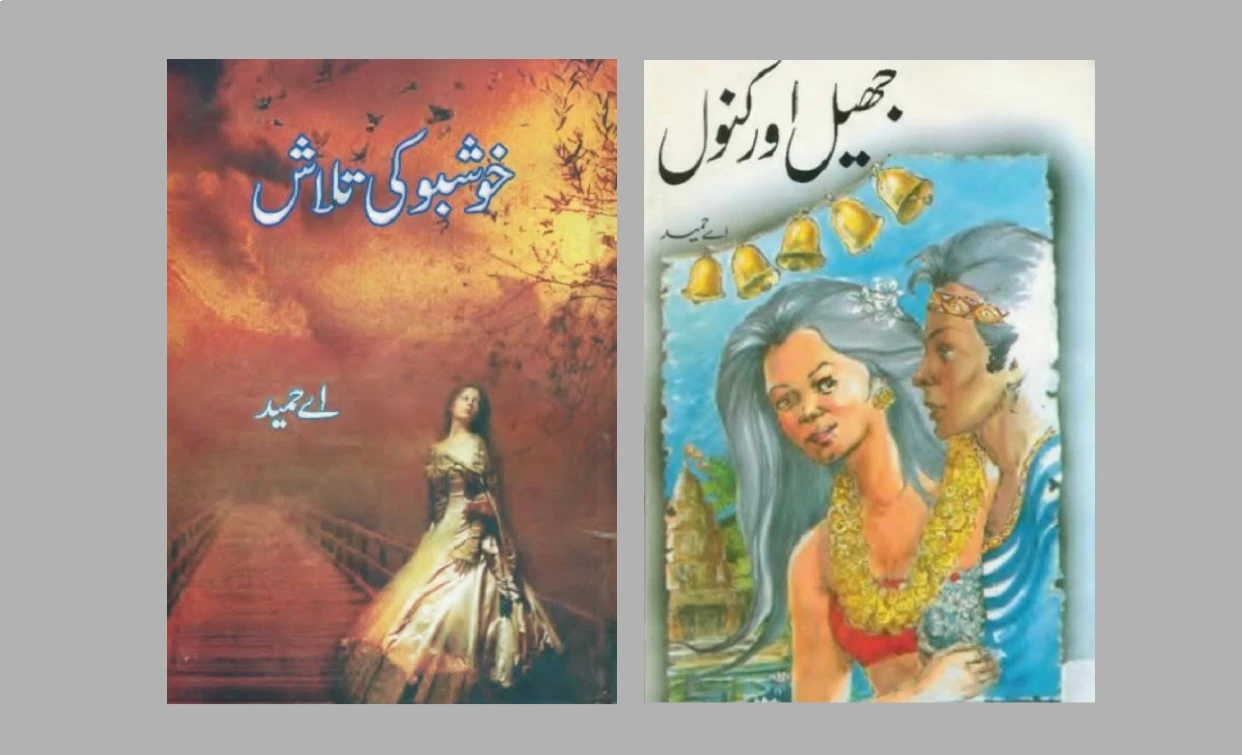
Towards the end of Urdu writer A. Hameed’s novel Jhīl Aur Kañwal (published sometime from Lahore in the late 1960s), the protagonist, Anwar, a young journalist from small-town Punjab has been working and living in Rangoon, the capital of British-occupied Burma (now Myanmar) when Japanese forces attack the city during the tail-end of the Second World War. Anwar is told by his colleague at Burma Radio (which is part of the British War Propaganda Cell at that point) that he should ask the British colonial government of Burma to help him escape the war-torn city. Anwar, in turn, looks around him at the terrified crowd of Burmese refugees fleeing the Japanese bombings and says, “Merā ghar Burma government ke sāth nahī balke in logoñ ke darmiyān hai,” expressing a belonging with the Burmese people in opposition to the two colonial forces—British and Japanese—fighting for control over the Southeast Asian nation. This ethos of cosmopolitanism, and more importantly, of inter-Asian and pan-colonial solidarity infuses the whole novel, which is an intriguing combination of romance, adventure, and social realism.
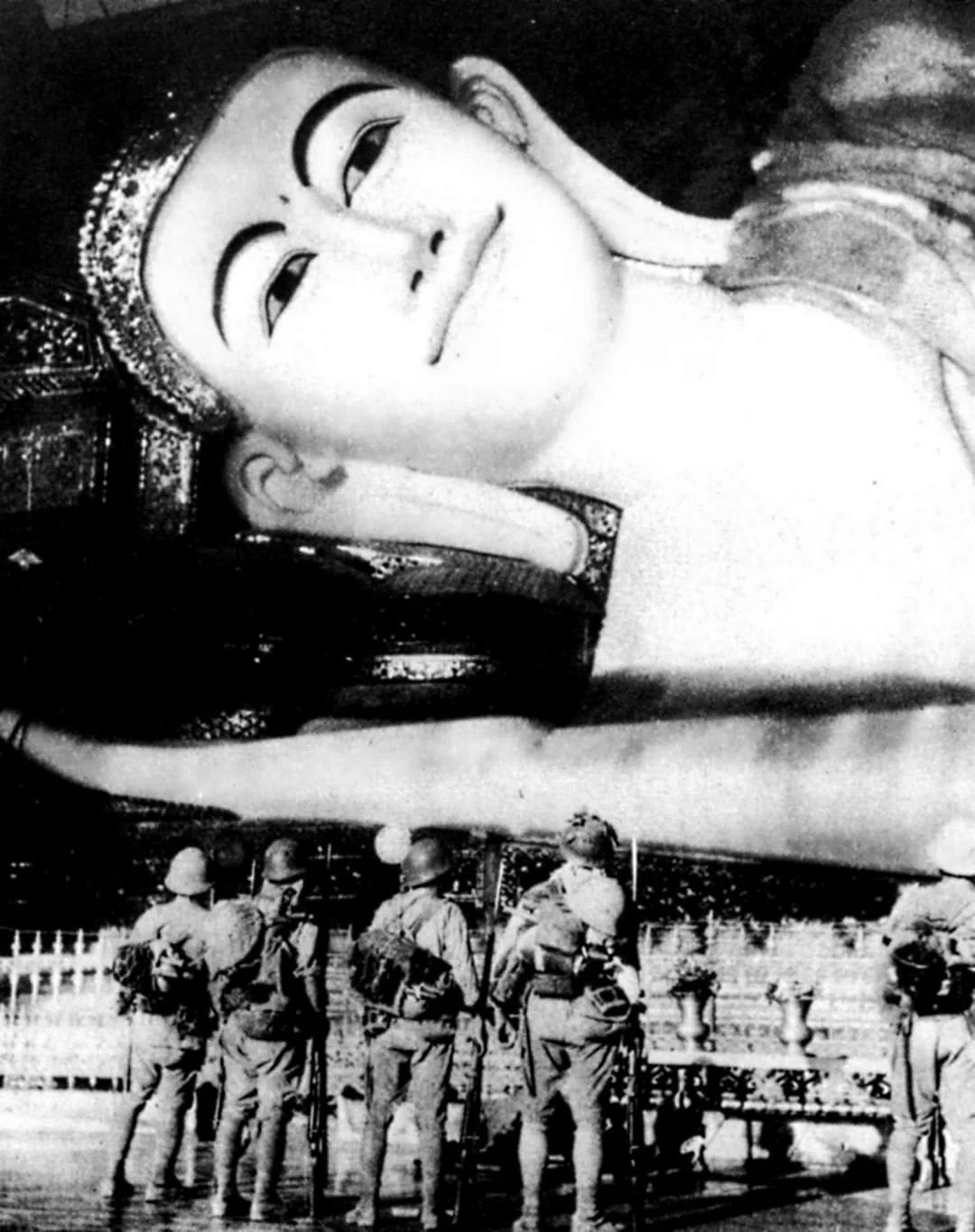
This same ethos also permeates another one of Hameed’s World War II-set novels, titled Khushbū Kī Talāsh (also written sometime in the late ’60s or early ’70s). This one is more of a war and espionage thriller with a splash of the supernatural and mystical thrown in for good measure: there are encounters with pirates and whales, a subplot involving the ghost of an Egyptian princess and her magic ring, and assistance in the form of a Sumatran snake-woman. Alongside this, however, the main narrative involves another young Indian protagonist from Punjab, stranded in Rangoon during the Japanese occupation, who escapes to Jakarta and gets involved with the Indonesian resistance movement against the Dutch, before sailing across the Indian Ocean to the African continent, where he befriends and joins Algerian freedom fighters resisting the French occupation of Algeria and Morocco, and then finally becomes embroiled in an Israeli espionage plot in the Levant.
When we think of Urdu literature associated with anticolonial politics, we think of the work of writers associated with the Progressive Writers Association—established in 1936 with the intertwined elements of anti-imperialism and socialism. We think of Sajjad Zaheer and Rashid Jahan, of Ismat Chughtai and Saadat Hasan Manto. In the post-independence period, we think of Faiz Ahmed Faiz and the Savera group of writers, whose work combined leftist politics at home with broader forms of literary internationalisms that were in ascendance during the Cold War period. Where does popular genre fiction in Urdu, such as the adventure, romance, and thriller novels of A. Hameed, fit into these traditions? Popular fiction in Urdu is often read and dismissed as pulpy and low-brow in Urdu literary histories (if, indeed, it is mentioned at all), and as such, the ways in which such genres were articulating their own visions of anti-imperialist and anti-capitalist solidarities in popular idiom and vocabularies has been entirely forgotten.
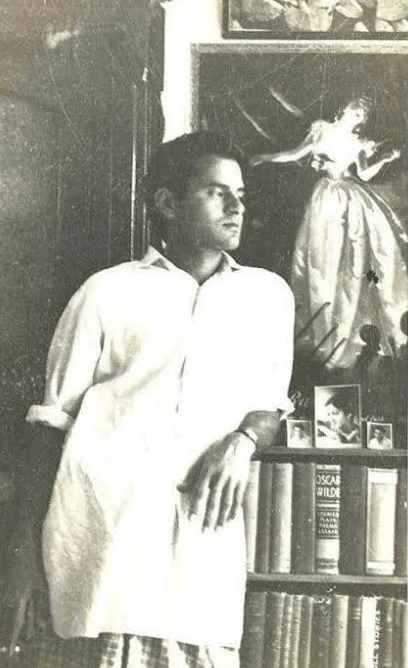
A. Hameed (1928-2011) is remembered in popular literary and cultural history today as the author of pulpy series of fantasy, adventure, romance, and science fiction and, more commonly, as the creator of the popular Pakistani children’s TV show of the 1990s, Ainak Walā Jinn. But Hameed’s literary career is vaster than is usually acknowledged today. Born in late colonial Amritsar, Hameed’s teenage years took him to Lahore, and then, during the last years of the second World War, onwards to Colombo, where he worked at Radio Ceylon, as part of the British War Propaganda Cell, and Rangoon, where he was living when Japanese forces occupied Burma in 1942. Following the Partition of 1947, Hameed and his family moved to Lahore, where he started working for Radio Pakistan, which he continued until his retirement. Alongside this, Hameed became an active member of the literary scene of post-Partition Lahore, with his short stories appearing in magazines such as Adab-e-Latif, Nuqush, and Shahkar from 1946 onwards. In 1952, Hameed’s first novel titled Darbey was published, and he went on to write hundreds of short stories, novels, and travelogues for both children and adults across the latter half of the 20th century.
Popular fiction in Urdu is often read and dismissed as pulpy and low-brow in Urdu literary histories (if, indeed, it is mentioned at all), and as such, the ways in which such genres were articulating their own visions of anti-imperialist and anti-capitalist solidarities in popular idiom and vocabularies has been entirely forgotten.
In Hameed’s World War II-set adventure novels, pan-colonial solidarity is articulated through the protagonists’ witnessing of how colonial occupation works on the ground, and through their encounters with ordinary colonial subjects in various parts of the world. Anwar is in Rangoon working for an Urdu newspaper catering to the increased demand of news from the North Indians and Punjabis in Rangoon as the war comes closer. In Jhīl Aur Kañwal, right before the Japanese attack, Anwar has a conversation with a Bengali businessman and contractor in charge of building British army barracks around Burma. Anwar is of the view that when the Japanese finally come, the Burmese people will welcome and help them because, “Burmī log angrezoñ, amrīkīyoñ, aur kisī hadd tak hindustāniyoñ se nafrat karte hain. Woh humeñ dākū samajhte hain jo un ke ghar maiñ akar unkī daulat lūt rahe hain.” Acknowledging elite Indians’ complicity with the Anglo-American project of imperial extraction, Anwar continues by pointing out that, “Burma maiñ Burma oil kampany se le kar Mathury bhandhār tak har ek kārobār per ghair-mulkiyoñ ka qabza hai. In maiñ amrīkī haiñ, angrez haiñ, madrāsī haiñ, bangālī haiñ, panjābī haiñ. Aur burmī yā tou cycle-rikshā chalāte haiñ, taxi-driverī karte hain, aur yā sūkhī machhlī aur maindak bechte hain.” When the Bengali businessman protests by arguing that this is happening everywhere in the Far East, Anwar retorts, “Jī hañ, aur ye mashriq-e-baīd ke har mulk main khatam ho kar rahe gā, kyunke log buhat āgay nikal gaye haiñ. Aur ye daur exploitation kā daur nahi hai!”.
In Khushbū Kī Talāsh, too, there is a sense that the various independence movements occurring across the world during and after World War II were all part of a singular, global current of resistance against Western imperialism, whose fates were inextricably intertwined. The unnamed protagonist of this novel considers himself a traveler and adventurer (“maiñ modern Marco Polo huñ”) and proclaims to be apolitical when the novel begins. Over the course of the narrative, he meets a range of colonial subalterns, revolutionaries and resistance fighters which drive home to him (and by proxy, to the readers) the idea that all these anticolonial movements are fighting against the same thing. Often (but not always), the novel expresses this pan-colonial solidarity in terms of religious affiliation and pan-Islamic unity. In the jungles outside Jakarta, the protagonist meets a group of Indonesian guerilla fighters agitating against the Dutch, led by Aisha, the Malay leader of the guerilla operation of that region. He also meets Allah Daad, an Indian man who was part of the Punjabi regiment of the British army deployed in Indonesia to suppress the anticolonial movement there. The novel explains that Allah Daad is one of many such Punjabi Muslims who deserted the British army and joined the Indonesian revolutionaries: “Islam kā rishtā itnā mazbūt hai ke angrez regimentoñ ke musalmān faujiyoñ ne apne indoneshī musalmān bhaiyyoñ per goli chalane ke bajāey angrez fauj ko chor diyā aur indoneshī musalmān huriyat-pasandoñ ke sāth shāmil hogaye.” Hameed is drawing from actual history here, as the deployment of Indian troops to suppress the Indonesian anticolonial movement provoked widespread criticism in India, and resulted in many Indian troops deserting the British army to join the Indonesian revolutionaries.
In Hameed’s World War II-set adventure novels, pan-colonial solidarity is articulated through the protagonists’ witnessing of how colonial occupation works on the ground, and through their encounters with ordinary colonial subjects in various parts of the world.
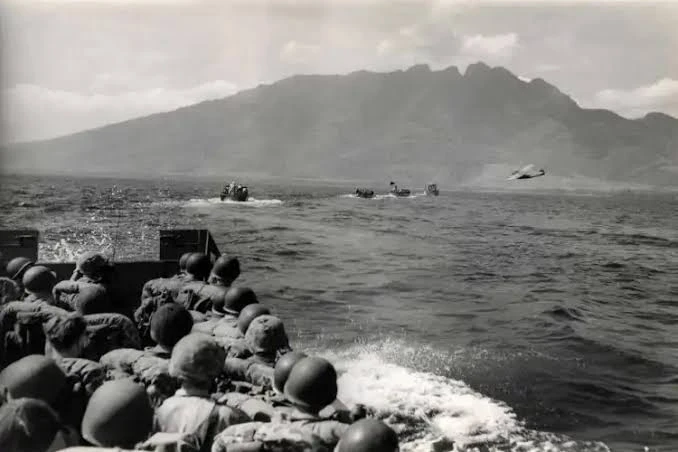
By the time the protagonist manages to cross the Indian Ocean and reach the African continent, the war has officially ended, but anticolonial struggles continue. In Rabat, Morocco, he gets caught up in a police raid and ends up in jail with two young men who tell him that they are part of the Algerian Liberation Front: “un kī zabānī ma’alūm huā ke in kā ta’alluq Algeria ki huriyat-pasand jamāt se hai jo apne watan ko frānsisiyoñ ke tasallut se azād karāne ke liyey jid-o-jehad kar rahe hain.” They are happy to hear that the protagonist is Muslim too, and that he is from Hindustan. One of them, Kareem, says, “Hindustan main bhi musalmān apne azeem leader qaid-e-azam Mohammad Ali Jinnah kī qiyādat main ek alag islāmi mulk Pakistan qaim karne ke liyey jid-o-jehad kar rahe hain. Hum Algerian musalmānoñ kī humdardiyāñ aap logoñ ke saath hain.”
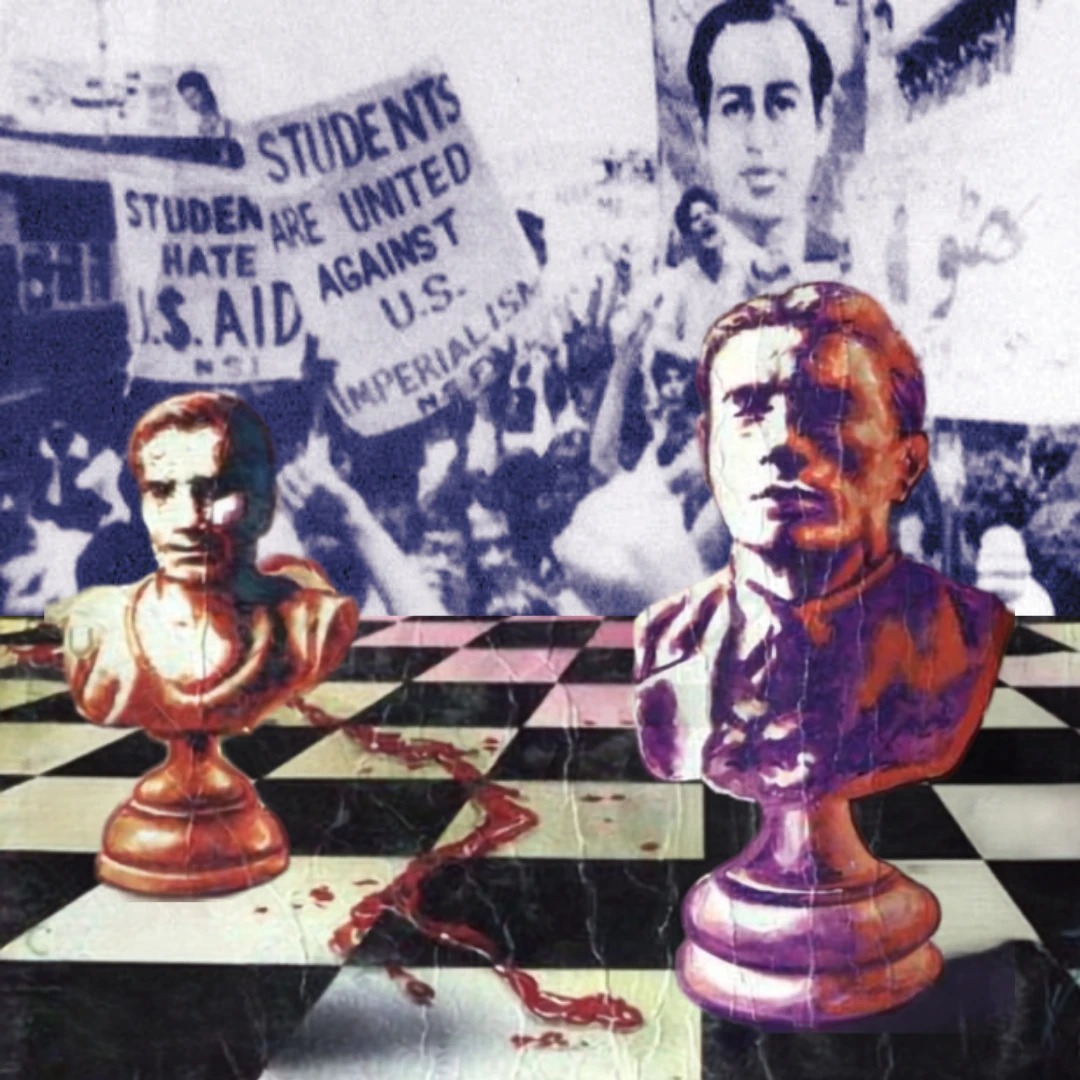
It is important to read these passages of revolution and resistance (combined with religious nationalism and pan-Islamism) within the context of the Cold War and Pakistan’s alignment with the US under the Ayub Khan dictatorship during the 1960s, which is when these novels were published. The anti-colonial nationalism that had spread through the subcontinent during and after the Second World War had produced a strong sense of solidarity among ordinary people with other oppressed colonized people across the world. This internationalism had carried over after Partition, as anti-imperialist people’s movements were rising all over Asia, Africa, and the Arab world. Under Ayub Khan’s regime, even as the Pakistani establishment was becoming more and more aligned with American foreign policy and its Cold War agenda, the mood amongst the Pakistani people in the ’60s and into the ’70s was distinctly revolutionary, especially in opposition to increasing US interventions all over the world, such as the US invasion of Vietnam. Within such a political and social climate, Hameed’s novels, which combined pulpy adventure, fantasy, and romance with realistic encounters between the Indian protagonist(s) and their Burmese, Indonesian, Moroccan, and Algerian counterparts to express, in common idiom, internationalist visions of resistance and solidarity, would have appealed to young Pakistanis agitating against both the military establishment as well as Pakistan’s alignment with US foreign policy agendas.
Scenes where characters are talking about resistance and revolution are sandwiched between encounters with churails and supernatural lions (in the case of Khushbū Kī Talāsh), or between scenes of romance and seduction featuring Anwar with a series of women in Rangoon (in Jhīl Aur Kañwal).
We can situate these popular novels within the larger leftist cultural context of Lahore in the ’60s. In cinema, this can be seen in the leftist films that were released during this period, from the alternative-cinema film Jāgo Huā Savera (1959), whose screenplay and songs were written by Faiz Ahmed Faiz, to the duo Qaiser Khalil and Riaz Shahid’s commercial films Shaheed (1962) and Zarqā (1969), about Arab anti-imperialism, and the Palestinian liberation movement, respectively. In fact, Hameed’s pulpy adventure novels are comparable to the Khalil-and-Shahid duo’s popular films, particularly in the way they combined the maximalist thrill of Urdu pulp fiction with anti-imperialist and socialist messaging. Scenes where characters are talking about resistance and revolution are sandwiched between encounters with churails and supernatural lions (in the case of Khushbū Kī Talāsh), or between scenes of romance and seduction featuring Anwar with a series of women in Rangoon (in Jhīl Aur Kañwal). The ’60s also saw a boom in Urdu digest fiction from both Karachi and Lahore, which covered a wide array of genres like horror, romance, detective fiction, historical fiction, and science fiction. Recovering the kaleidoscopic visions of the world that these popular forms of literature were offering allows us a look into what Pakistanis were imagining at a historical moment that seemed ripe with potential, when it seemed like a better world was right around the corner.
Nudrat Kamal is a PhD candidate of Comparative Literature at the University of Pennsylvania. Previously, she taught comparative literature and writing in Karachi. Her research and teaching focuses on South Asian literatures in Urdu, Hindi and English, particularly in the intersections of literary and print history, science fiction studies, gender and sexuality studies, and environmental humanities. Her writings on literature, film and television, and culture have been published in Dawn, The Express Tribune, and Newsline.