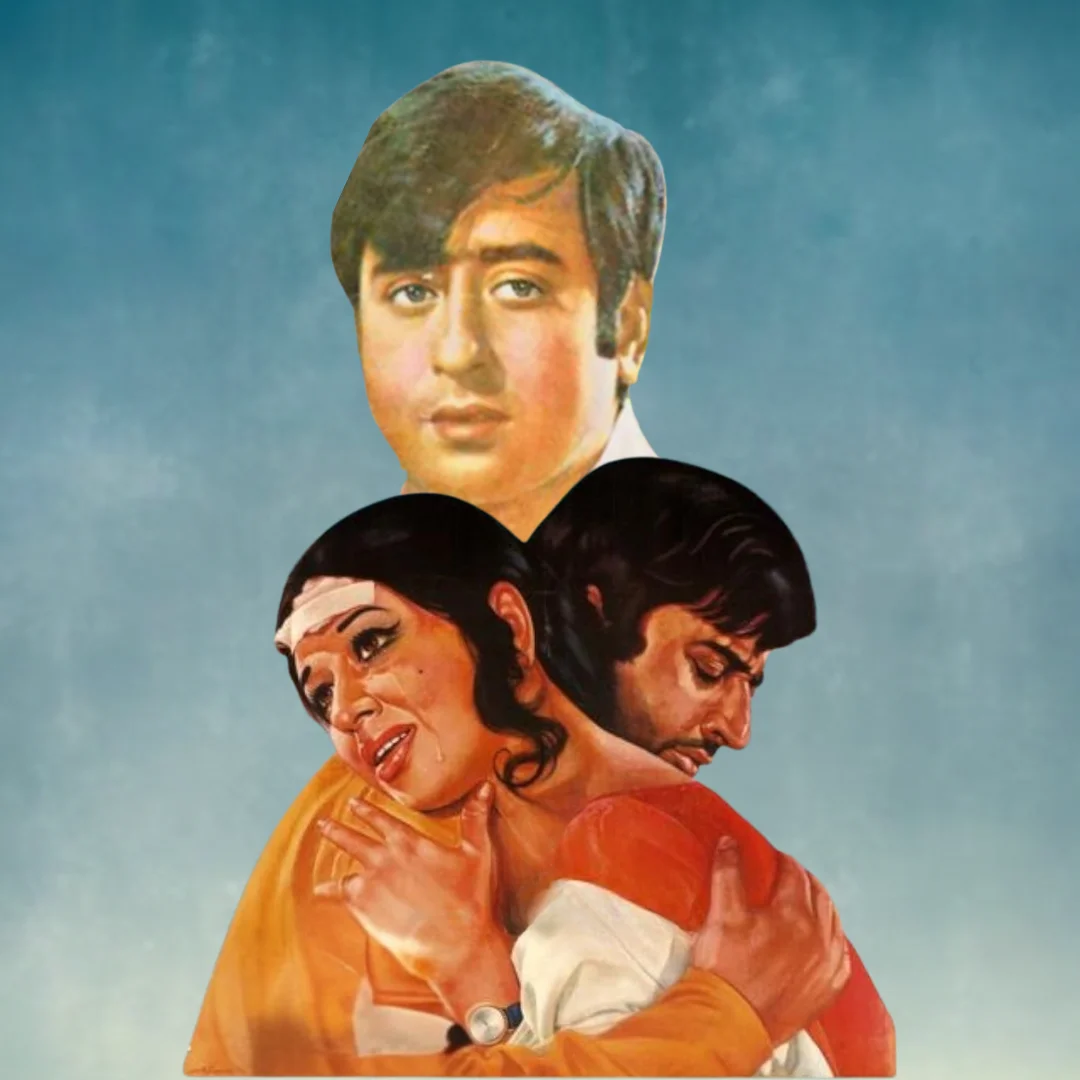
Every time I have to encounter a directive from a city official — or read a scolding post from someone on Instagram/X/the scourge of ‘[insert housing society] Facebook group’ — I cannot help but think of the classic 1970s song Tayyab Ali pyaar ka dushman. I have long believed that there is nothing that civil servants and municipal administrators and the privileged hate more than the thought of someone having fun (that they did not sanction) or someone falling in love.
We love the visuals of love, watching people in love, the commercialism associated with a day that is not so much about love but pushing expensive flowers; we love songs that talk about love in public; we quote Noor Jahan’s Sannu Nehr Walay Pul Te Bula Ke, but the reality is that the likelihood of meeting your lover at the nehr wala pul is impossible; you’re more likely to call them to the mall beyond the bridge, because our cities are not designed for love.
When I was younger, the horrifying tactic cops pulled on people was asking for their nikkahnama — if you were walking on the beach, but particularly if you were a couple in a car alone. Cops would only acquiesce after assumedly (and anecdotally) a bribe had exchanged hands. This wasn’t even that long ago — in 2018, the head of the police in Karachi had to officially direct cops that they weren’t authorised to do this, and in Islamabad, four cops were dismissed in 2024 for harassing a couple for their nikkahnama.
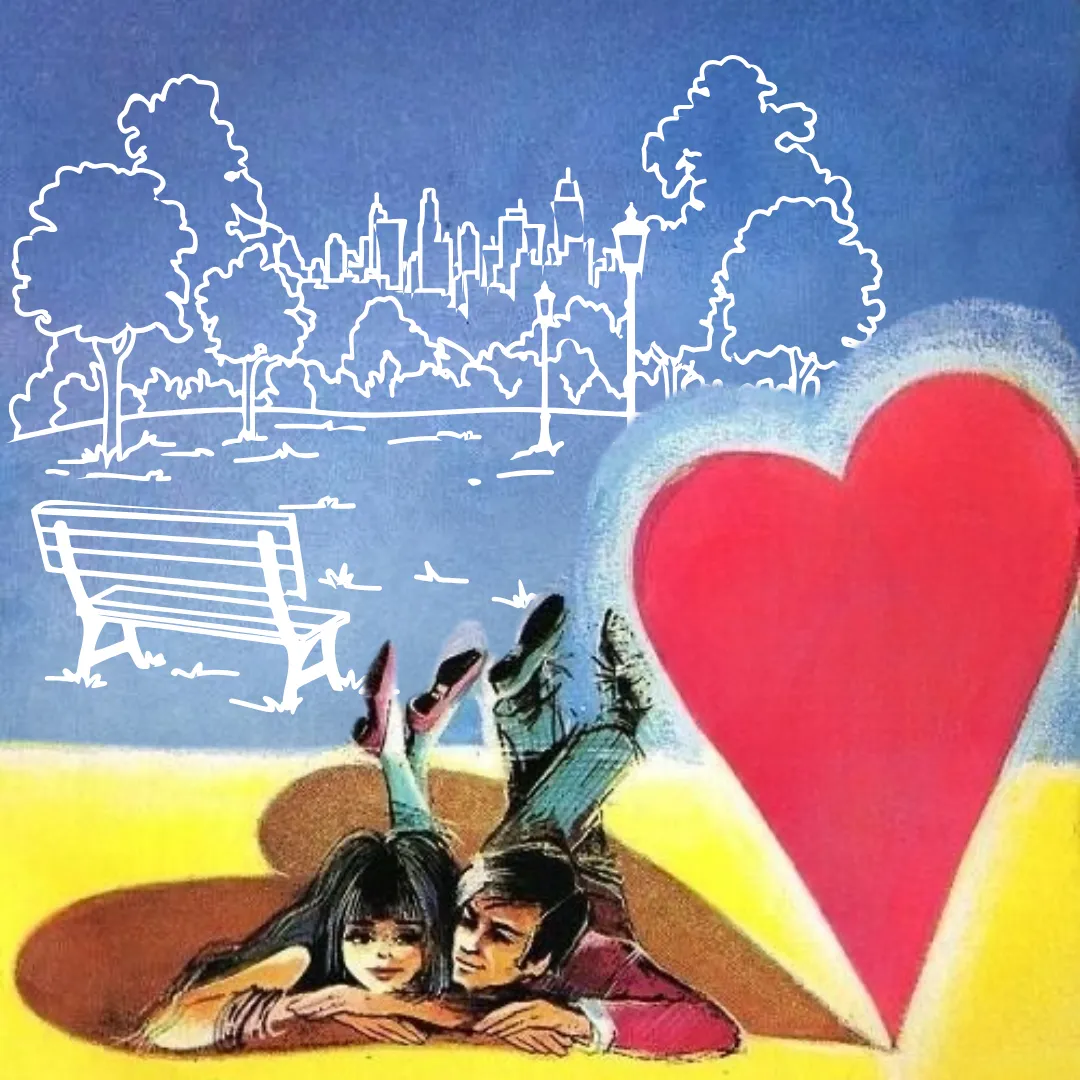
Much has been made of the love-soaked visuals of Lahore in Neelofar; love seems to bloom every Valentine’s Day and in wedding wear shoots. The stories and settings we romanticise — the skyline of Androon Lahore, the films and tv shows, the dappled sunlight, golden hour — none of them really have much bearing to how love really plays out: at homes, across the dance floor, in groups of friends, under the cover of errands and hangouts, always in public, always with someone watching.
Why do we continue to persist with these images that have no bearing on reality? Of course, love is a fantasy, and perhaps that is why love outdoors can be depicted on film and in print. Has anyone written the great novel about falling in love inside the overly air-conditioned spaces of a mall? Can Heer and Ranjha lock eyes over an iced latte? (Note to self: novel idea?)
But whatever fantasy filmmakers and content creators (and expats in Cliftonia) might want to show us, romance can really only bloom indoors: in fast food restaurants, in malls, in the spaces where it is harder for cops to barge in, where plausible deniability and witnesses and other people’s presence helps (to a degree). Climate change will only make this worse; who will fall in love in a smoggy Lahore in a park? One is more likely to get a lingering cough and a stabbing headache than want to tell your significant other that they look nice in their kurta.
Why do we continue to persist with these images that have no bearing on reality? Of course, love is a fantasy, and perhaps that is why love outdoors can be depicted on film and in print. Has anyone written the great novel about falling in love inside the overly air-conditioned spaces of a mall? Can Heer and Ranjha lock eyes over an iced latte?
While writing a novel that has to do with love, and is set in an earlier decade, I thought back to the places where I’d seen romance bloom and wither away, and not one of those places was outdoors. (To be fair, in my teenage years the beach was closed because of a massive oil spill, and the morning — or evening — air was often rent with the sound of a bomb blast.) Perhaps this is why every generation (including mine, as beleaguered as I have just made my younger years sound) has its date-spot cafe; every fast food restaurant has seen sparks fly over a budget meal.
But the pursuit of love is expensive. Love means having to buy a place at a cafe, a cinema ticket, a park entry pass. Love requires the social mobility that allows one to walk around a mall; the ability to get past the ‘family only’ restrictions of space. The pursuit of love is always limited by time. You don’t get to see a person as they walk around, to be on public transit together, to see how they engage with the city, their relationship with the environment. It is no wonder that people — even those in committed, long-term relationships — are taken by surprise when they finally live together, when they discover what someone is really like, or what they’re like when they are not performing. The pursuit of romance is structured, based on the times of the day, opening and closing hours, the hours that it is least likely you'll run into someone you know, the times when the moral police might be otherwise occupied.
The reality is that to love outdoors is for the brave — to risk being exposed to the moral police, security guards and cops, relatives who have no business in your life but like to think they do, to voyeurs with cell phones and nothing to do but to film and photograph strangers. But if this is hard enough for the straightest of people in the most conventional of relationships, try to imagine what it is like for anyone who isn't heterosexual, or whose identity doesn't conform to the strict binaries of masculine and feminine. I often think of the scene in the film Joyland when Biba can’t find a place to sit on the train — because where is Biba meant to go?
Unfortunately, I don't really know what the answer is, if there’ll ever be a day in which the real life Biba gets to sit on a train without being scolded. Our cities have to change from shunting people out of public spaces, but mostly, our attitudes have to change; the stares, the moral policing, the ways in which public infrastructure is kept away from the “public”, in the way that parks are limited-hours only spaces, in the ways in which everyone wants to see content about romance but not actually have it play out in real life. Until then, love will always come with the feeling that the clock is running out of time.

Saba Imtiaz is currently writing the world’s most unrealistic romance.