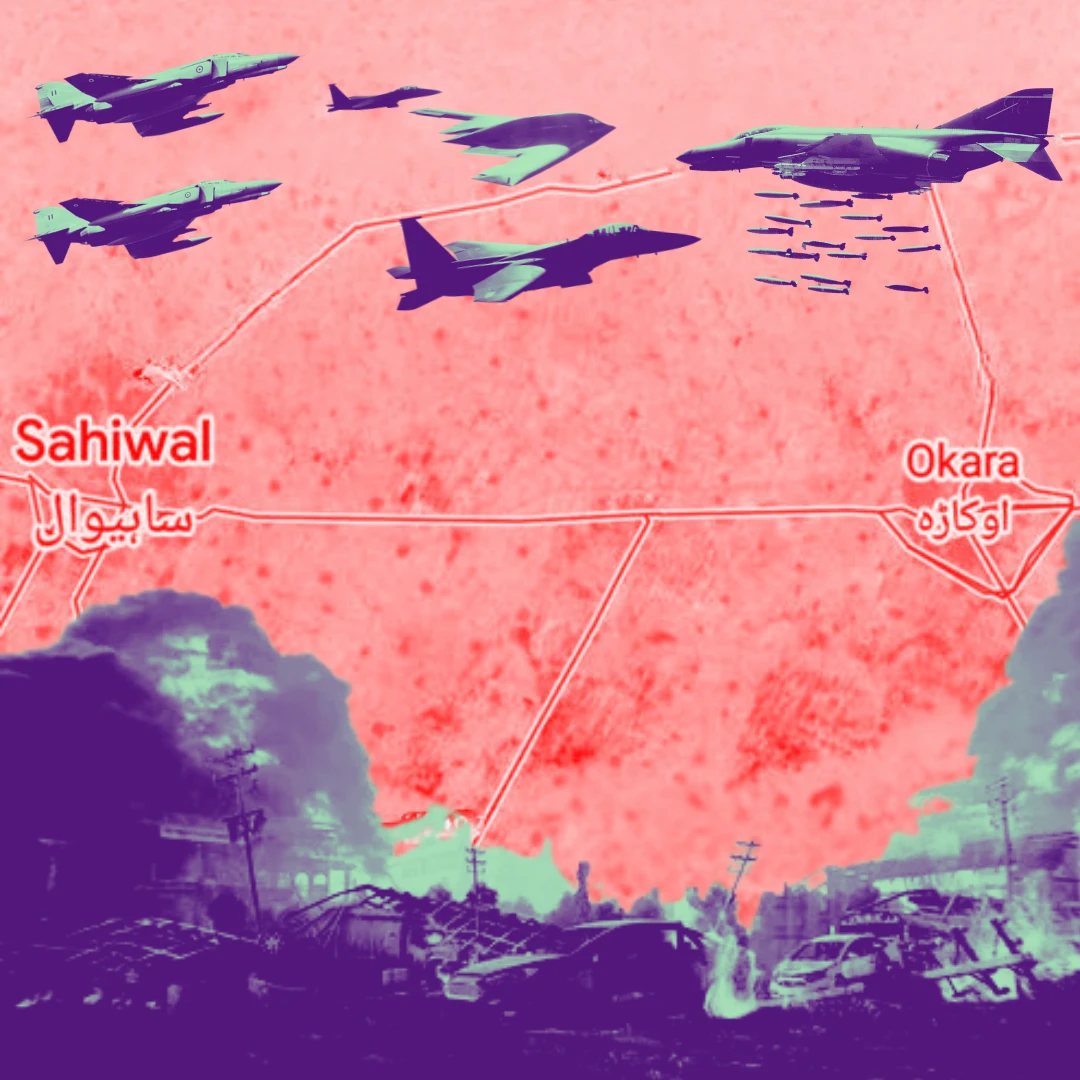
In the midst of the recent war between Pakistan and Afghanistan, Pakistani social media was unexpectedly flooded with messages of support for Afghan and Pashtun tandoor walas. The reaction came after a video produced by the Ministry of Information - and shared by Information Minister Attaullah Tarar on X - went viral, referring to Afghans as “tandoor walas” in a derogatory way; many Afghan residents in Pakistan are associated with small food businesses in Pakistan.
The response was striking. In moments of war or near war, societies are usually compelled by emotion, political pressure, or patriotism to choose sides quickly and unequivocally. Except for a small number of anti-war activists or public intellectuals who insist on principled dissent, the masses typically rally behind the state. Yet in this instance, large segments of Pakistani social media users openly criticized their own government and expressed solidarity with Afghan food vendors. Many did so despite the risk of being labeled anti-state or even facing legal consequences under laws such as the Prevention of Electronic Crimes Act, which has become the new normal in Pakistan on such matters.
This reaction becomes even more interesting when viewed against the backdrop of the last two decades. Pakistan has endured nearly twenty-three years of terrorism in which approximately seventy thousand people have lost their lives. Many terrorist attacks were frequently attributed to militant networks operating ostensibly from Afghanistan, or Pakistan’s Pashtun belt. While violence should never be collectively attributed to an entire ethnicity or nationality, prolonged conflict often produces stereotypes and collective suspicion.
Why, then, did so many Pakistanis side with Afghan food vendors rather than the official narrative of the state? Part of the answer lies not in geopolitics, but in the sociology of everyday life.
If I compare this moment with my own personal journey, the picture becomes somewhat clearer. I am a Punjabi born in Okara, and like many Pakistanis of my generation, I grew up listening to near daily news of bomb blasts, and the attackers were often associated with Afghan or Pashtun origins. When I moved to Lahore in 2016, I did not harbor any hatred toward Afghans, but I did carry a sense of suspicion shaped by years of such a narrative.
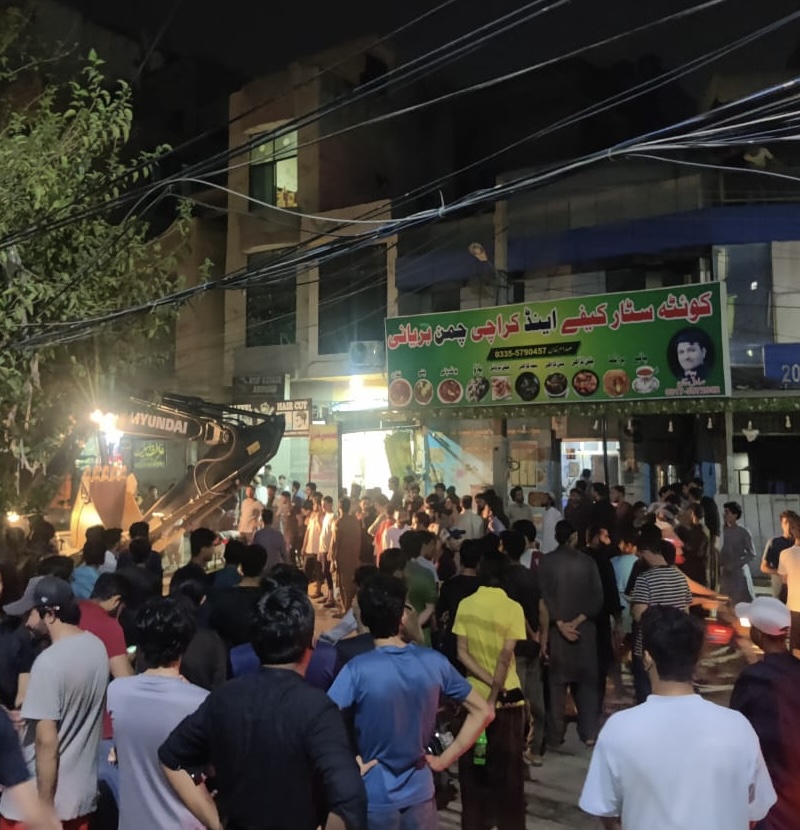
Eight years later, in 2024, however, I found myself standing along with dozens of students from different regions and ethnic backgrounds in front of a crane sent by the Punjab government to bulldoze part of a Quetta hotel in Muslim Town, owned by an Afghan migrant family. What had changed for me in those eight years?
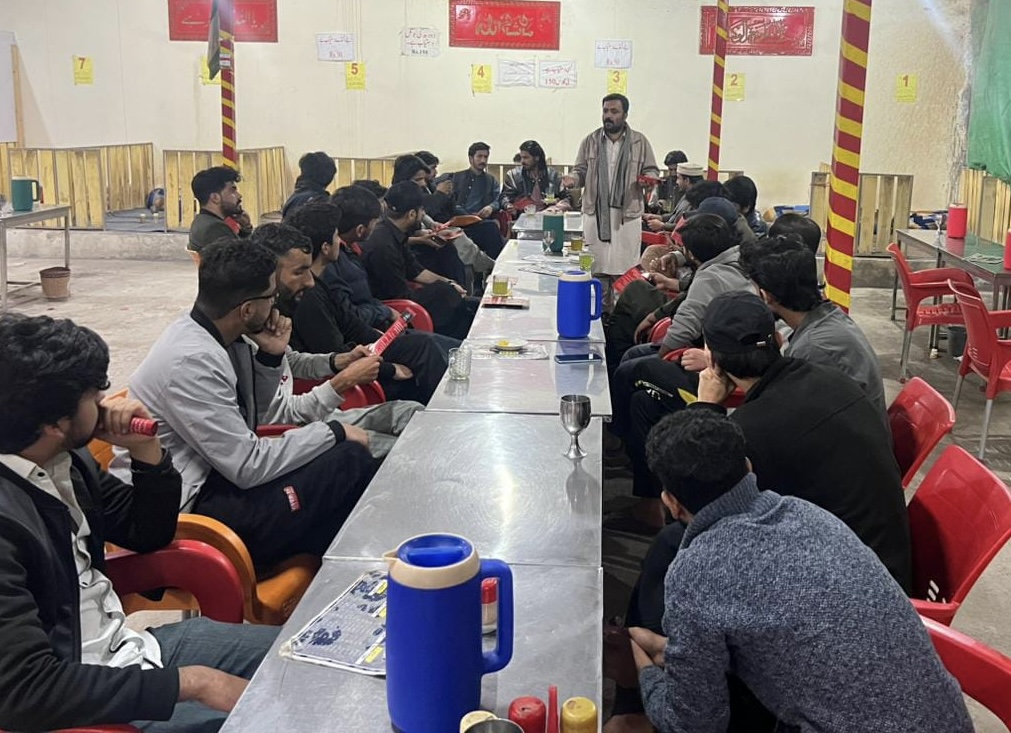
Customers can sit for hours regardless of how little they order, or not at all. Open twenty-four hours and often located within walking distance of universities and hostels, they provide an informal environment where people can rest, talk, and simply exist.
The answer lies in the unique relationship that thousands of students (myself included), workers, and ordinary urban residents have developed with Quetta hotels in recent years, perhaps the most visible representatives of the “tandoor walas” in Pakistani cities. Most of these establishments are run by Afghan migrants, or by internally displaced Pashtuns.
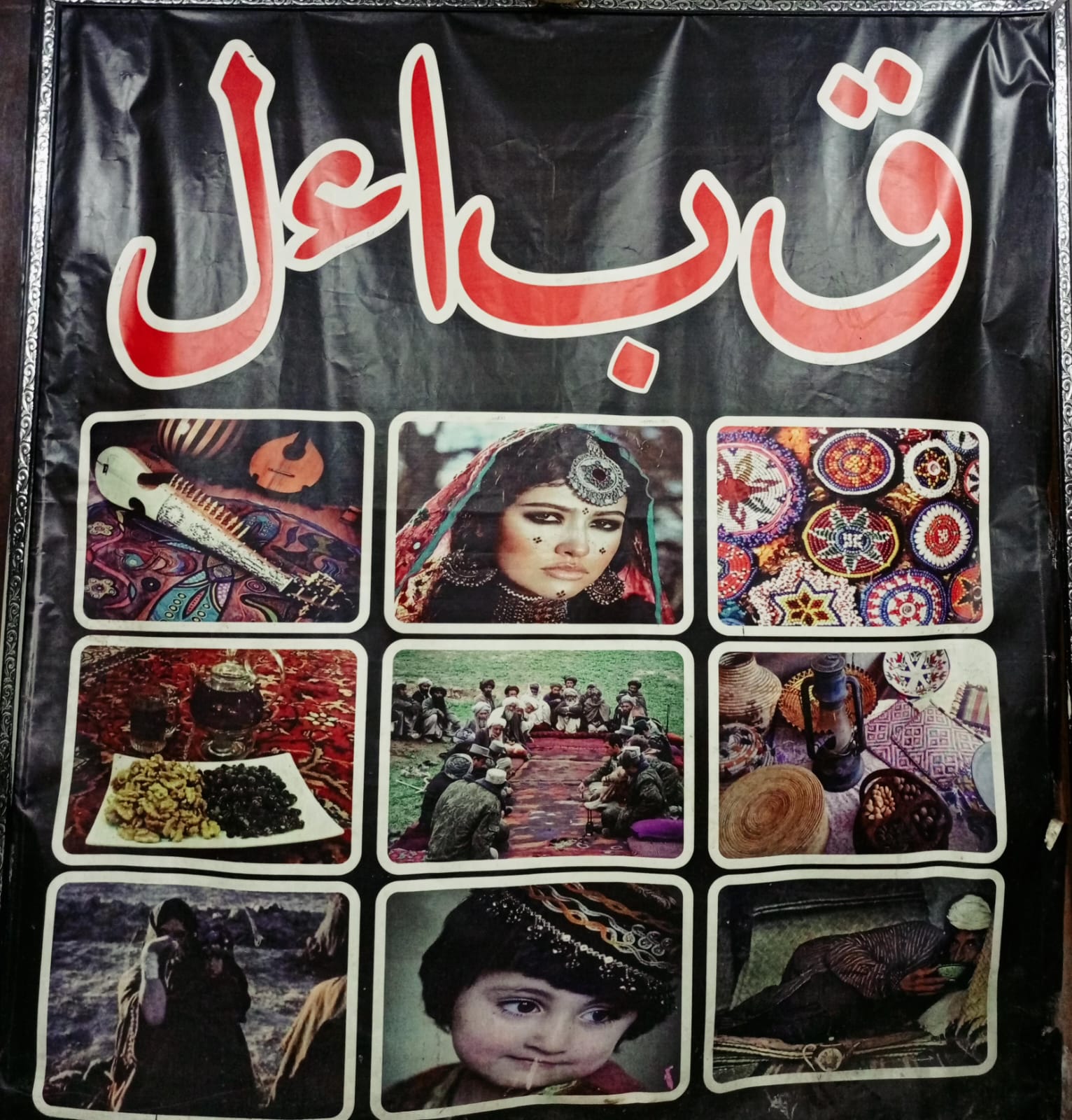
At first glance, Quetta hotels may appear to be ordinary tea cafes. In reality, they represent something more: a reflection of Afghan and Pashtun hospitality, culinary culture, and social ethos. The relationship between these cafes and their customers goes far beyond the typical customer-seller interaction that characterizes modern urban life under capitalism.
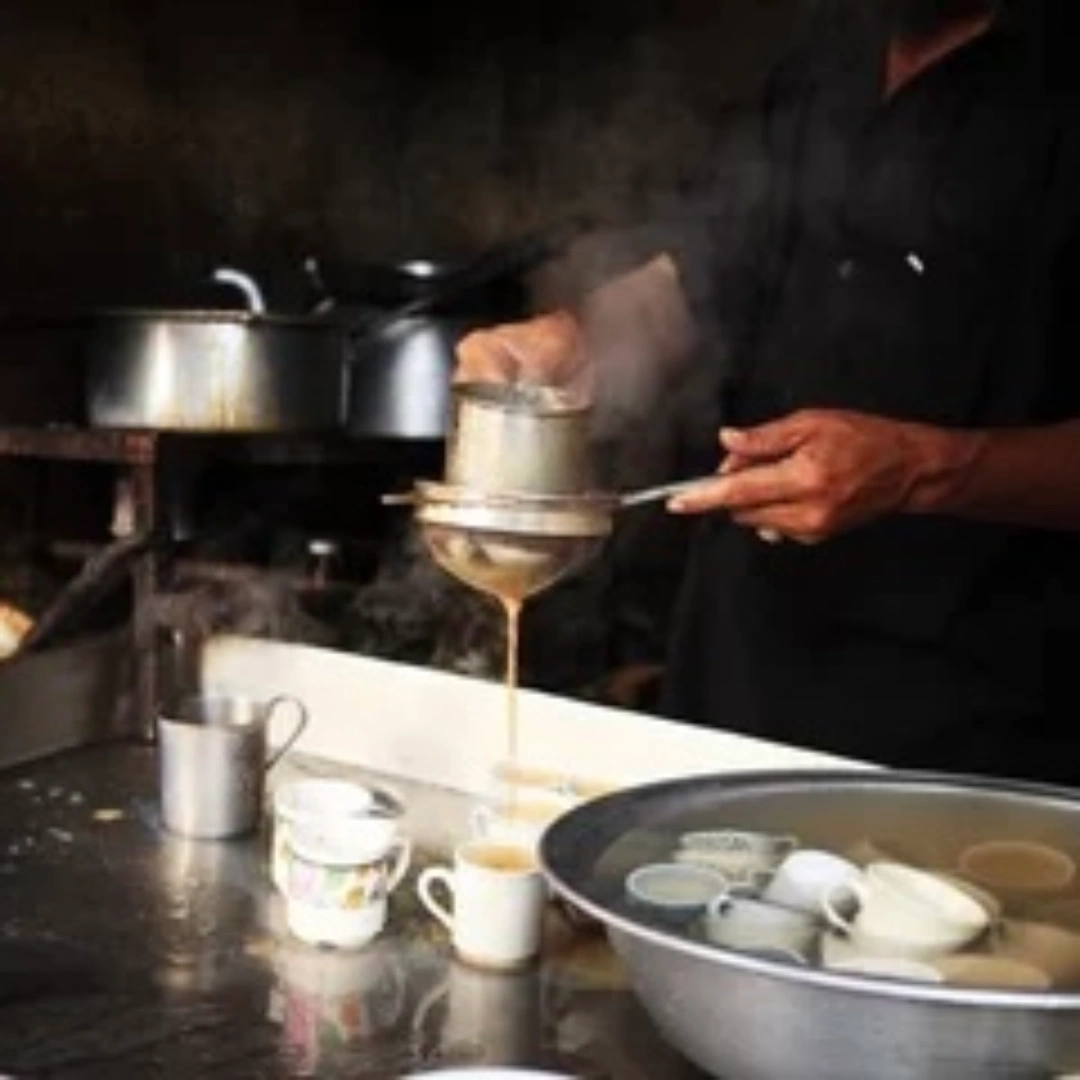
The immediate attraction is the tea itself. Many workers and students who migrate from villages to cities find tea made with powdered milk unappealing. Similarly, the taste of tea commonly available in urban cafes rarely resembles the rich flavor of tea prepared with fresh milk in rural households. Quetta hotels offer precisely that “khulay doodh ki chai” with a strong and consistent taste.
However, the popularity of these places cannot be explained by taste alone.
In cities like Lahore, branded coffee chains charge prices that can equal nearly half the daily income of many Pakistanis. With around 45 percent of the population living below the poverty line and many others surviving on unstable incomes, such spaces remain inaccessible to a large segment of society. Quetta hotels, by contrast, remain remarkably affordable. A cup of tea typically costs between Rs 50 and 70.
But affordability is only one dimension of their economic model. More significantly, these cafes operate through what we can describe as a moral economy; a system in which economic transactions are embedded within social relationships.
Growing up, it was common to see many shops across Pakistan sporting signs declaring, “Udhar aik jang hai, is liye band hai” (credit is closed because it leads to conflict) and “udhar maang kar sharmina mat karein” (don’t embarrass us by asking for credit). Such signs have now disappeared, because it is too obvious that modern markets rely on strict instant transactions. But Quetta hotels often function differently. Regular customers, particularly students who run out of money near the end of the month, are often allowed informal credit that they can pay later at the start of the month.
Another distinctive practice is what might be called “gravy without humiliation.” If two or three people order food, even if just a single plate, and they finish it but are still hungry or have leftover roti, they can ask for some more salan without any additional charges. And it is provided readily, sometimes even multiple times. What matters is not merely the extra food but the politeness and dignity with which it is offered. The staff rarely show irritation or embarrassment, perhaps understanding that students would not ask for more if they had enough money in their pockets.
Through everyday interactions, sharing tea, extending credit, exchanging stories, and offering small gestures of kindness, these spaces create social bonds that transcend ethnic and national divisions.
Additionally, rapid urbanization, combined with the absence of effective housing policies, has forced many students and working class families in cities like Lahore to live in cramped hostels or tiny apartments. During Lahore’s intense summer nights, when heat and humidity make shared rooms almost unbearable, many students seek refuge in nearby Quetta hotels during peak heat hours.
These cafes offer something increasingly rare in contemporary cities: accessible social space. Customers can sit for hours regardless of how little they order, or not at all. Open twenty-four hours and often located within walking distance of universities and hostels, they provide an informal environment where people can rest, talk, and simply exist.
Students also frequently arrive here during vulnerable moments of financial stress, homesickness, unemployment, or other personal dilemmas like alienation. Many of the cafe owners, themselves migrants who have experienced war, displacement, and loneliness, understand such struggles intimately. Conversations begin casually but often stretch for hours.
Over time, these interactions produce relationships that blur the boundary between business and friendship. Acts like exchanging homemade food or gifts that came from their respective areas are common. Late-night visits sometimes end with the owners insisting that regular customers share a meal with them. On other occasions they refuse payment with affectionate remarks:
“You’ve come after so many days, I can't take payment for today.”
“You left the city and returned just for a day, you are our guest dear.”
“It’s two in the morning, this is friendship tea.”
“You are our regular customer, you definitely deserve a discount now.”
Such gestures highlight how economic transactions in these spaces are intertwined with social bonds.
The waiters in Quetta hotels are also central to this social atmosphere. Many are underage boys who ideally should be in school but work due to obvious reasons. Despite modest wages and distance from home, they appear remarkably cheerful. They joke with customers, ask about university life, inquire about travel destinations, and become curious observers of the urban world around them. They also share stories from their hometowns: of conflict, displacement, and lost aspirations. These interactions challenge commonly held stereotypes often produced by politics and media. It becomes difficult not to develop some emotional connection with these young people.
These hotels have also become informal meeting points for political discussions. In recent years, Pakistan has witnessed a revival of progressive student politics through initiatives such as the Student Solidarity Marches, Palestine solidarity protests, the formation of the Students Action Committee, and various ethnic student councils in different universities.
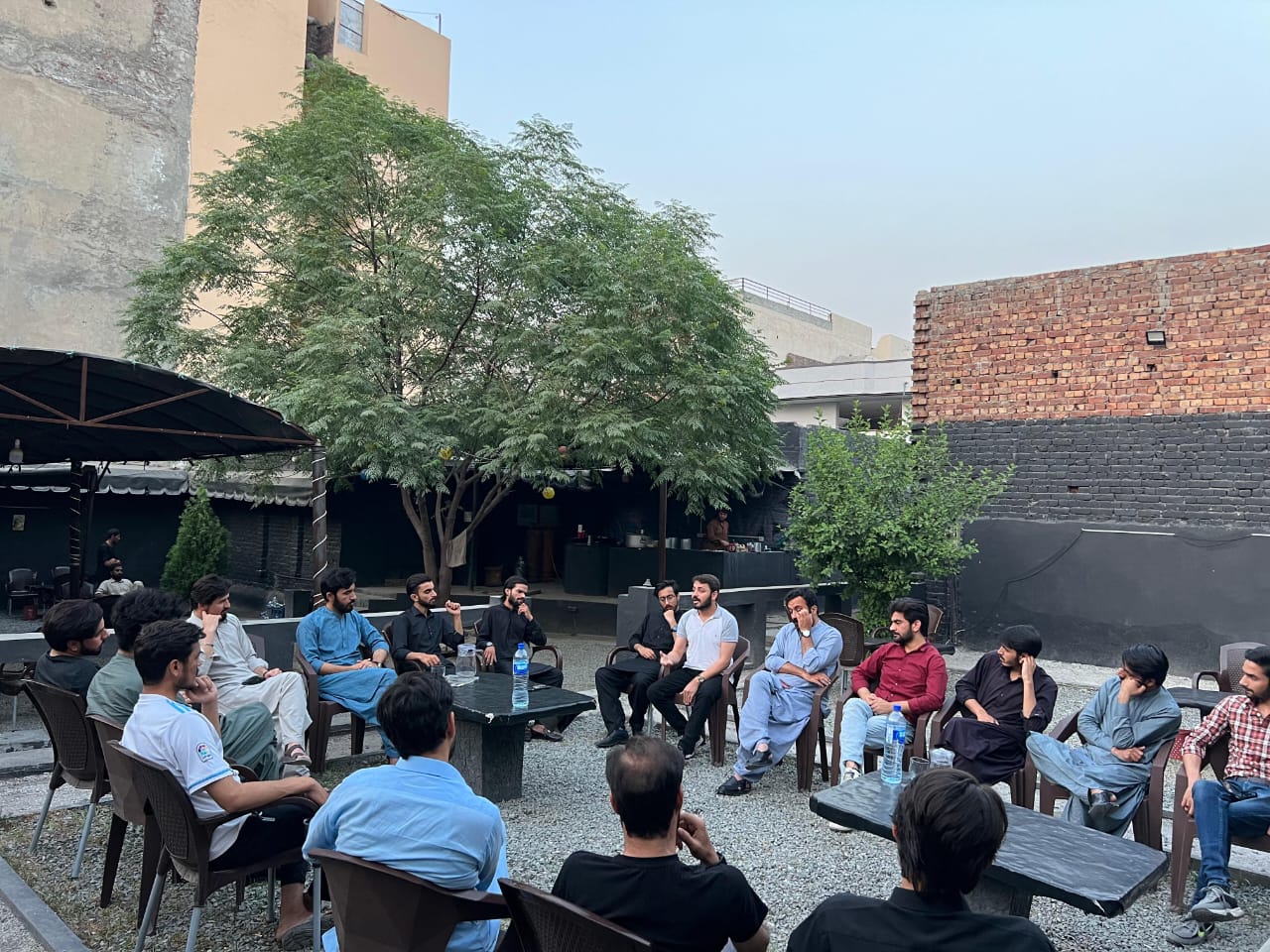
In the presence of strict securitization of campuses where the entry of students across universities is prohibited, many meetings, debates, and even conflict resolution for these groups have taken place in Quetta hotels. Although the management rarely participates directly in politics, often out of fear of harassment by the authorities, they generally tolerate long and heated political discussions among students, and in some instances encourage or facilitate as they see them as their own voice as victims of conflicts. In doing so, these cafes inadvertently function as informal public spheres where political ideas circulate outside of formal institutional spaces.
In an era when urban life is increasingly defined by impersonality and transactional relationships, Quetta hotels offer something many people unconsciously seek: genuine human connection.
Through everyday interactions, sharing tea, extending credit, exchanging stories, and offering small gestures of kindness, these spaces create social bonds that transcend ethnic and national divisions. In this sense, Quetta hotels practice a quiet form of “tandoor diplomacy.” Through ordinary acts of hospitality and friendship, they build relationships across communities that political propaganda and adventures of both states can't undo.
When Pakistani social media users criticised the Information Ministry and expressed solidarity with these Afghans, they were not merely reacting to a viral video. They were responding to years of lived experience, thousands of cups of tea shared across counters, countless conversations between friends and strangers, and a web of everyday relationships patiently built around the warmth of the “tandoor”. The state tried to reduce Afghans to “tandoor walas,” and yet that space has already become a place congruence of friendship and refuge, where strangers become acquaintances, sometimes friends, or even comrades.
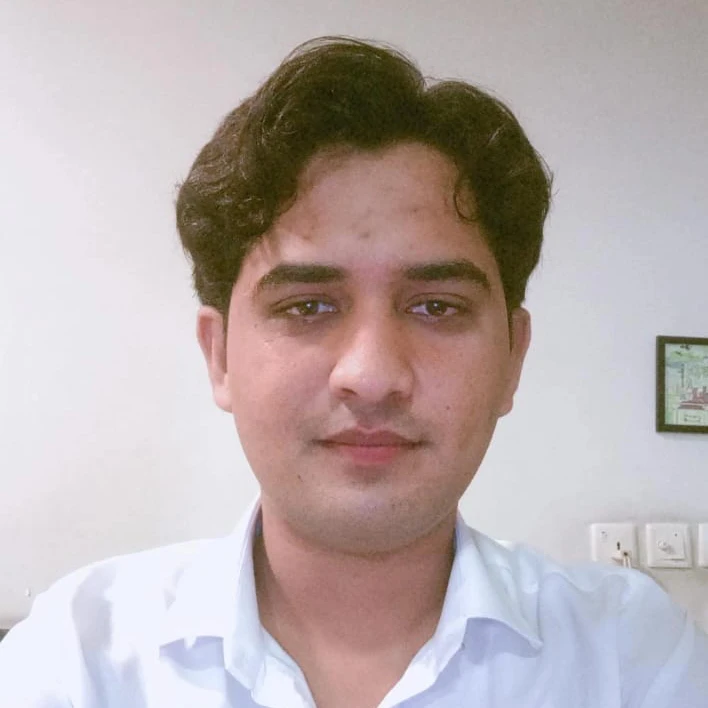
Ali Raza studied sociology from Government College University Lahore and works as a researcher and writer at Shehri. He is also the former Vice President of the Progressive Students Collective and Editor-in-Chief of The Students Herald.