
Chaos. This one word describes Pakistani cricket in the best possible way. Chaos can be both good or bad and the Pakistani brand of cricket has always demonstrated this unpredictability. Whether it is 1992 World Cup and 2017 Champions Trophy triumphs or the defeats in the 1999 World Cup final and 2007 World Cup match against Ireland — unpredictability seems to be the name of the game.
As an outside observer, the Pakistan cricket team is probably quite entertaining, but as a supporter, it is the biggest source of anxiety.
However, when all half chances start going against you, it's a sign that perhaps these losses are indicative of bigger problems, something that has to be dealt with systematically. Losing to Zimbabwe in 2022, Afghanistan in 2023 and the USA in 2024 are signs that the team is going downhill. The latest debacle in Sri Lanka is just another addition to this growing list.
Reactionary decisions like fining players five million rupees or dropping players for a bilateral series in another format are not the solutions. The issue lies in player development, as well as how the cricketing system is structured.
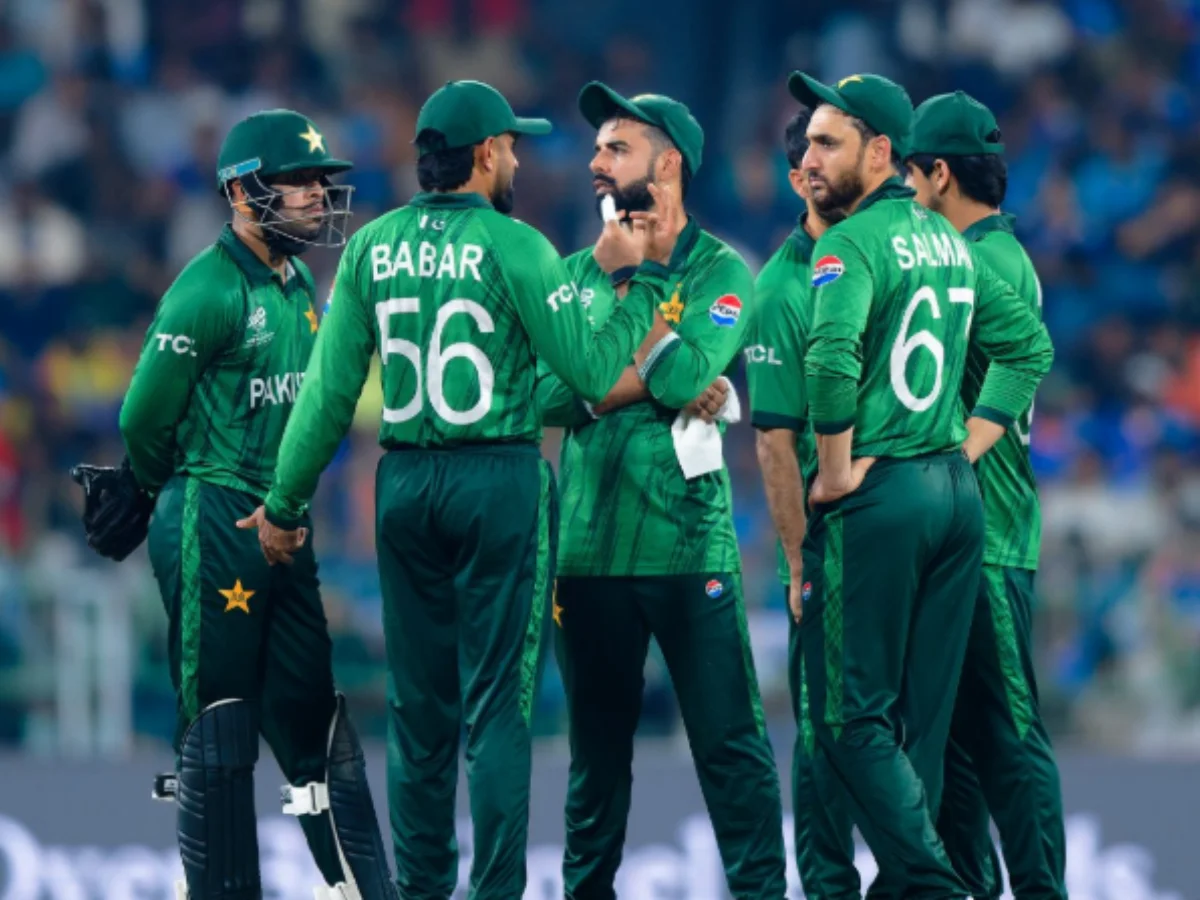
Cricketers have short-lived utility. Their main source of income virtually goes away as they approach their mid 30s and, therefore, the goal for them becomes to earn as much money as possible. They do this either by playing in leagues across the globe (where they are paid exponentially higher for every ball they bowl, field or bat against), by signing on to do advertisements or focusing on entrepreneurial ventures. The focus turns away from cricket and country and towards money.
It can be argued that part of the reason why India and Australia have been able to do better than us is that their players are compensated well, so they are able to focus on their game without having to worry about their post-career finances. In Pakistan, cricketers know that any chance to earn real money comes if you are a part of the national team. Therefore, whenever a player makes it to the national team, their focus shifts towards maintaining that spot, since a poor individual showing could lead to them being dropped and losing the opportunity to earn more.
Reactionary decisions like fining players five million rupees or dropping players for a bilateral series in another format are not the solutions. The issue lies in player development, as well as how the cricketing system is structured.
This is a serious problem, because in a team sport where you need selfless characters who are willing to put the team above personal milestones, we are playing with 11 cricketers fighting to retain their spot. This is perhaps why in T20 cricket, Pakistan doesn't have players who can play with ‘intent’. Any aggressive player knows that a couple of early dismissals could lead to their eviction from the team, and so they need to tame down on their aggressive nature to protect their position. Hassan Nawaz and Mohammad Haris are some of the latest examples.
This fear of losing out on the national team spot can be blamed for seniors being apprehensive of sitting out for bilaterals, often rushing their recoveries and disregarding their own workload management. This can explain why statpadding, self centered approaches and lack of rotation continue to haunt our team.
A financially lucrative domestic structure can go a long way. Players would no longer be focused on external factors, such as financial benefits attached to their national team spots, allowing them to hone their skills based on the team requirements. This is the model which has helped the likes of India and Australia develop a diverse player pool that they can tap into to find players who fit in their plans perfectly. Another thing the Pakistan Cricket Board (PCB) needs to focus on is creating a cohesive blueprint for the team structure that all domestic teams follow. If the national team has a left-right combination of openers, the domestic teams should follow the same structure; if Pakistan wants to play 2 all-rounders in its team, the domestic team should follow the same structure. This way the national team management will have like-for-like replacements across all levels. Ask yourselves this, does it make sense for Usman Khan or Babar Azam to open for their respective domestic sides, when they are playing in a completely different role for Pakistan?
Beyond improving domestic tournaments, the onus is on the board to better manage their long term goals. The team simply does not have enough games to play before any big tournament. After the 2023 World Cup, Pakistan did not have a single ODI for almost a year; we changed the captain of the side one year before the 2027 World Cup. Even right now in the buildup, we seem to be focused on playing T20s instead of ODIs because of the commercial appeal of the shortest format. Having such a small amount of games brings with it a tradeoff — either we can focus on playing the same 15-man squad so a group for the world cup is finalised, or we can experiment with a younger squad to test bench strength, taking a gamble on what could be a good final squad.
A financially lucrative domestic structure can go a long way. Players would no longer be focused on external factors, such as financial benefits attached to their national team spots, allowing them to hone their skills based on the team requirements. This is the model which has helped the likes of India and Australia develop a diverse player pool that they can tap into to find players who fit in their plans perfectly.
Ultimately, the management should schedule and plan better. Ahead of T20 World Cups, playing more T20s make sense; ahead of the 50-over tournaments, playing more ODIs should be the goal. Captains should not be switched around in a merry-go-round manner, and every captain should be given one tournament at least to prove their worth, before moving onto the next choice. Young players should be introduced into the squad, but not in the form of a large influx. A squad full of new players is almost as bad as a squad void of any. It would be far more effective to carry three to four junior players and give them ten games or so, rather than sticking to our current strategy of introducing junior players, giving them around three opportunities, and then not rarely (or never) using them again.
Similarly, the frequent changes of coaches should be curtailed, as each coach has their own vision. The team should be given time to adapt to this vision. Since the end of 2023, we have had four different T20 captains and three different ODI captains. Shaheen Shah Afridi just got the ODI captaincy towards the end of 2025, and with a year to go till the 2027 World Cup starts, we have no idea how we will line up, and who will be in our reserves.
Lastly, there needs to be investment in player grooming as well. The ongoing World Cup exposed the mental fragility of the players. In the game against India, the players looked shaken, and the pressure was visible through their decision making. Furthermore, lashing out at the criticism indicated a closed off approach that was not very receptive to feedback. The PCB needs to hire mentors who can turn these players into professionals — professionals who take care of their diet, their life outside of cricket and have a mentality strong enough to stay level-headed when facing criticism or high pressure situations. They need to develop the ability to be logical and rational in such tense moments.
Pakistani cricket has been regressing for some time, there’s no doubt about that. The team’s level has been consistently going down. Beyond fines, changing captains and coaches, there are structural flaws that need to be addressed. Without a clear vision and consistency in the governance of the game in the country, fans should be prepared for some very mediocre cricket in the future. While the team, due to flashes of individual brilliance, will continue to win here and there, as a whole, not much can be expected unless some big changes are made.
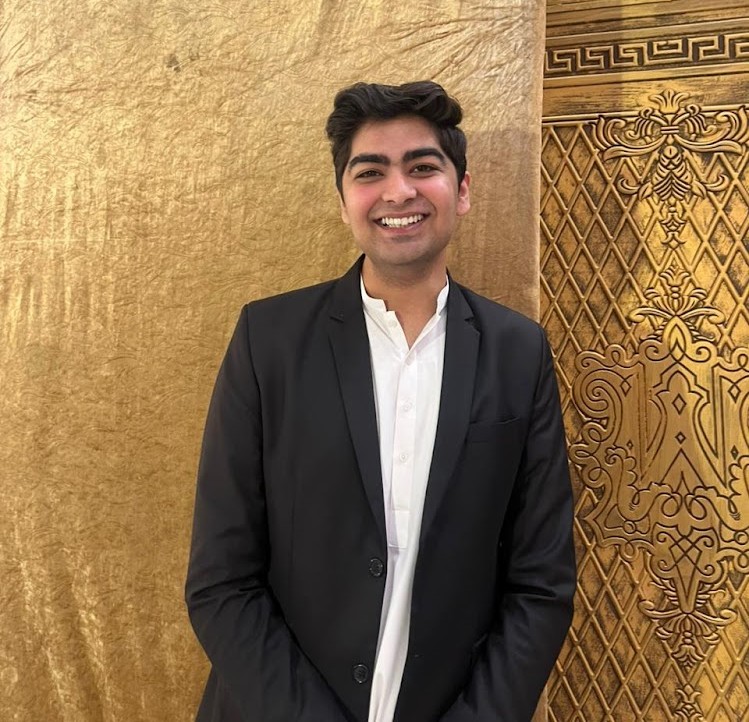
Moiz Asim is a cricket enthusiast and a 2024 graduate of the Lahore University of Management Sciences (LUMS) with a degree in Management Sciences. He has previously written for The Nation and served as a Teaching Assistant for the only undergraduate Sports Management course offered at LUMS. His interests lie in examining the socio-economic and political implications of sport in the contemporary global economy.