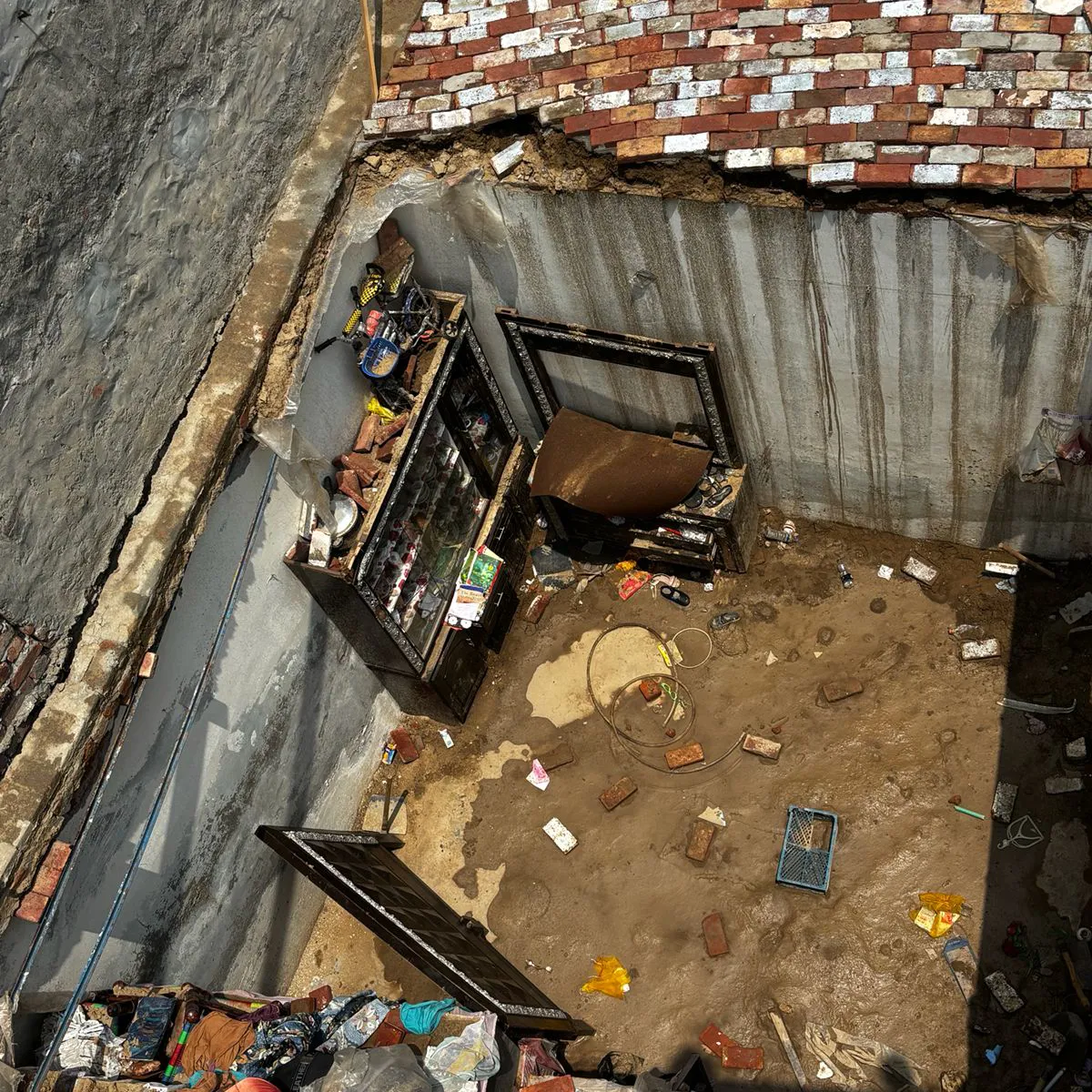
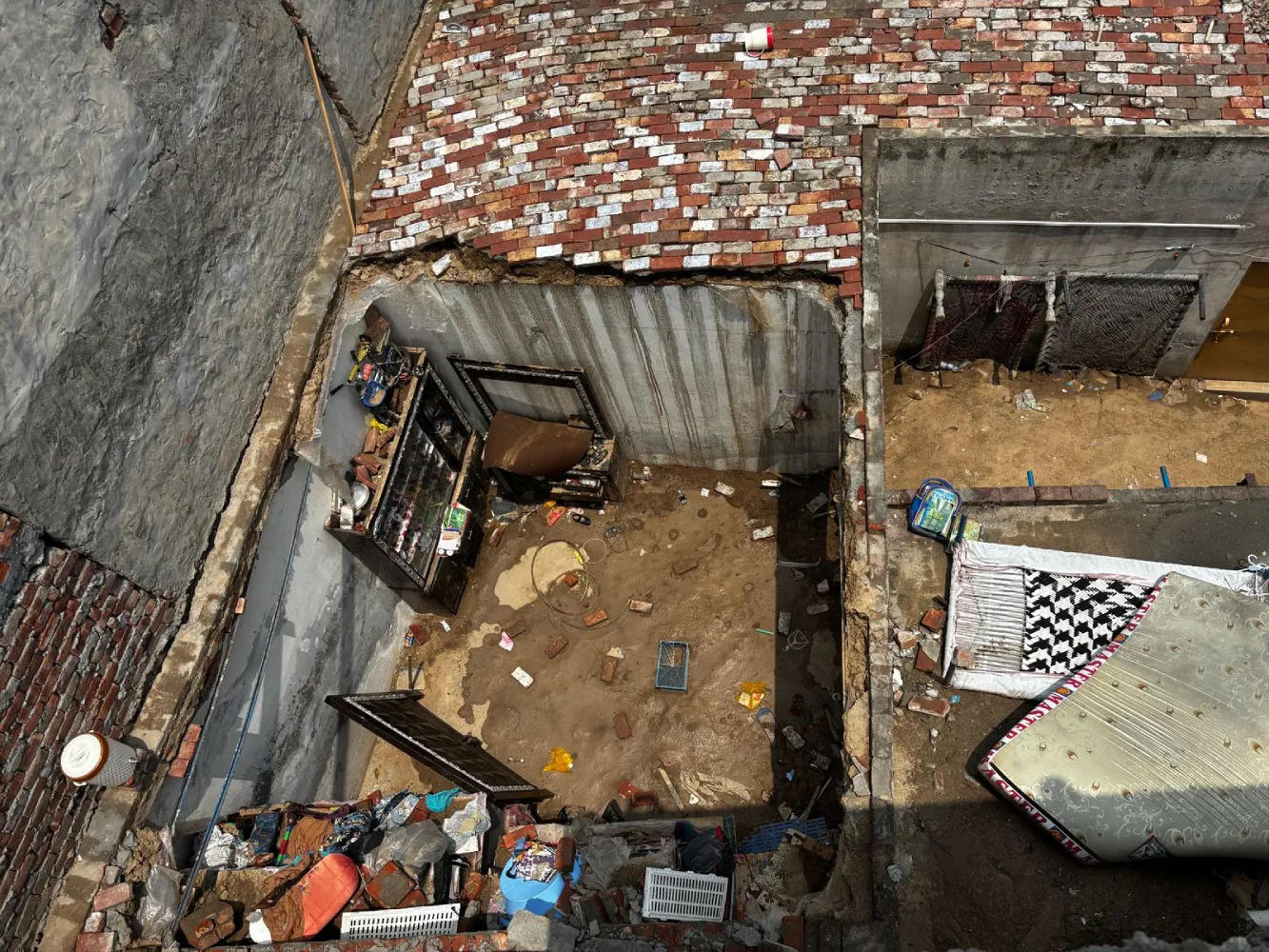
Elderly Shamim Siddique was hanging freshly washed clothes on the rooftop of her home when she heard a deafening explosion. "It sounded like a bomb blast," she says. Within seconds, she sensed panic rising around her - the next door tuition centre’s roof had collapsed.
She rushed towards the stairs, but in her haste, she lost her footing and fell. "I can't even begin to tell you what I saw when I managed to pick myself up and step outside," pausing, as she wipes away tears and beads of perspiration with a corner of her dupatta. "The family across the street lost a seven-year-old daughter. The house on the corner lost two boys. In the next lane, one family lost a daughter and a son. Their neighbours lost another boy. Fourteen children from this neighbourhood..." Her voice breaks with emotion. "That day was no less than Karbala."
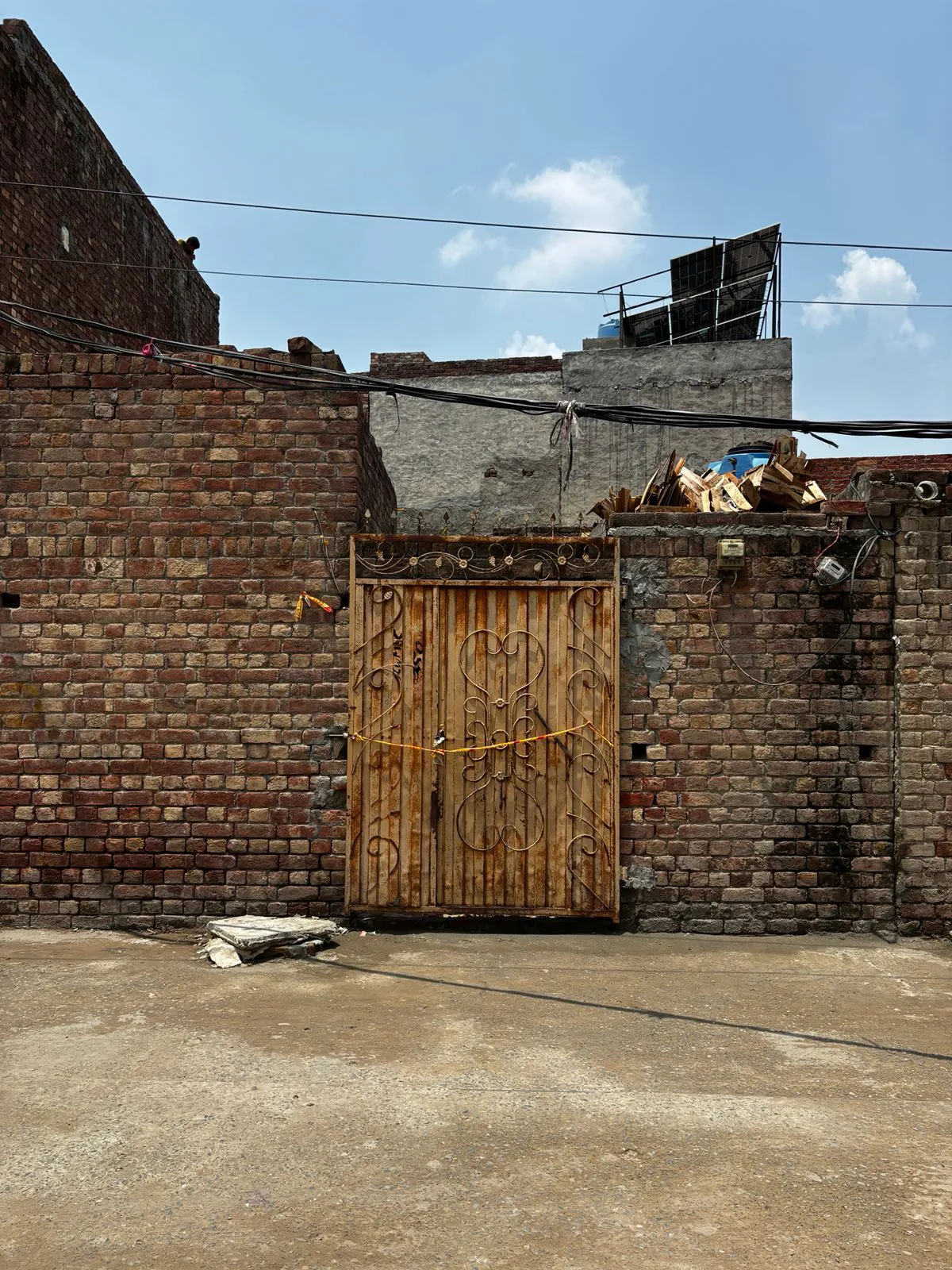
Shamim was recounting the tragedy that struck her neighbourhood on the afternoon of June 30, 2026, when the roof of an unregistered tutoring centre in Kachwana, Union Council 247, Kahna Nau, Lahore, collapsed on a class of about 30 children, claiming the lives of 14. They were all packed in a room no more than 15x15sq ft in size.
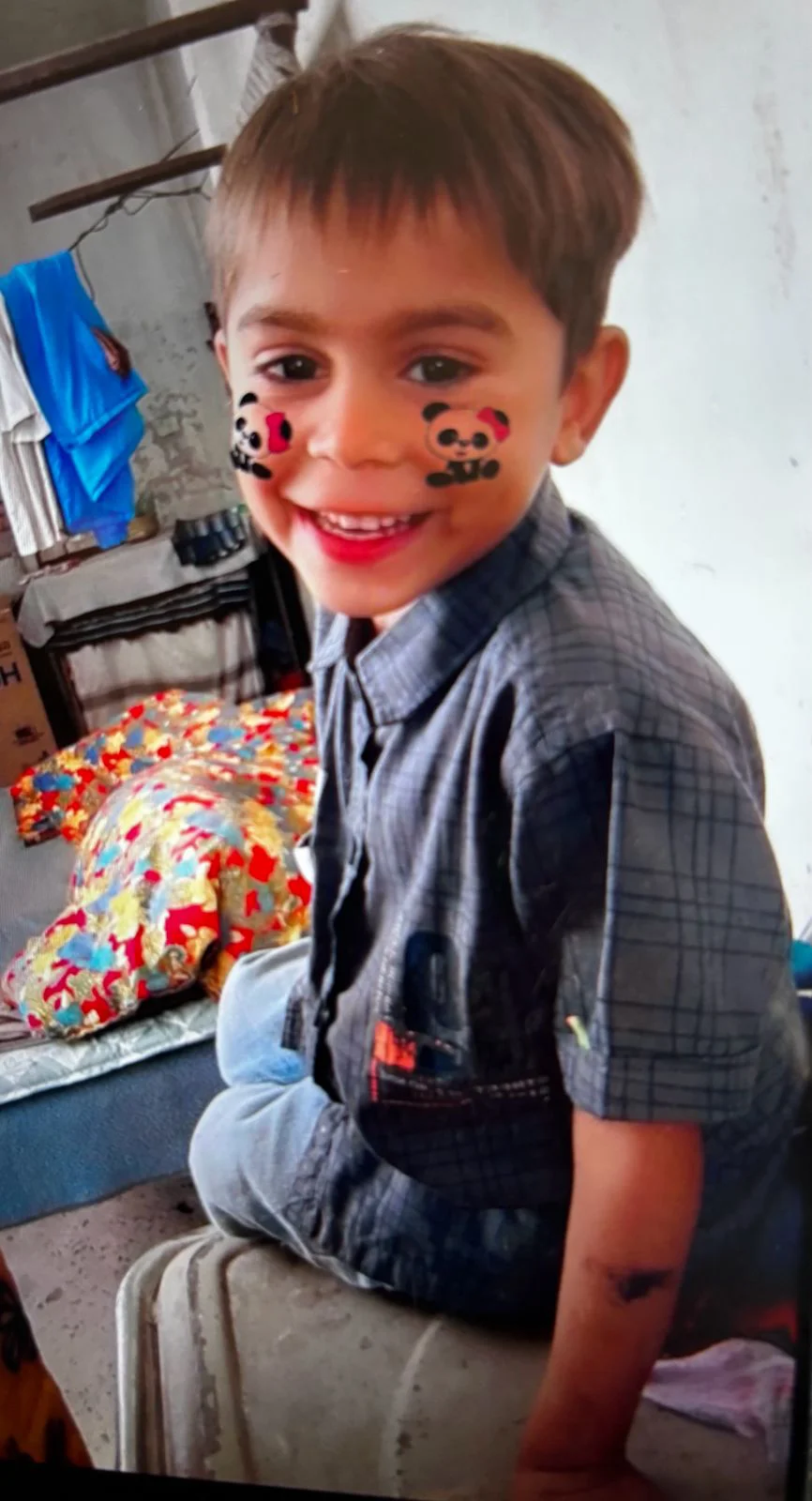
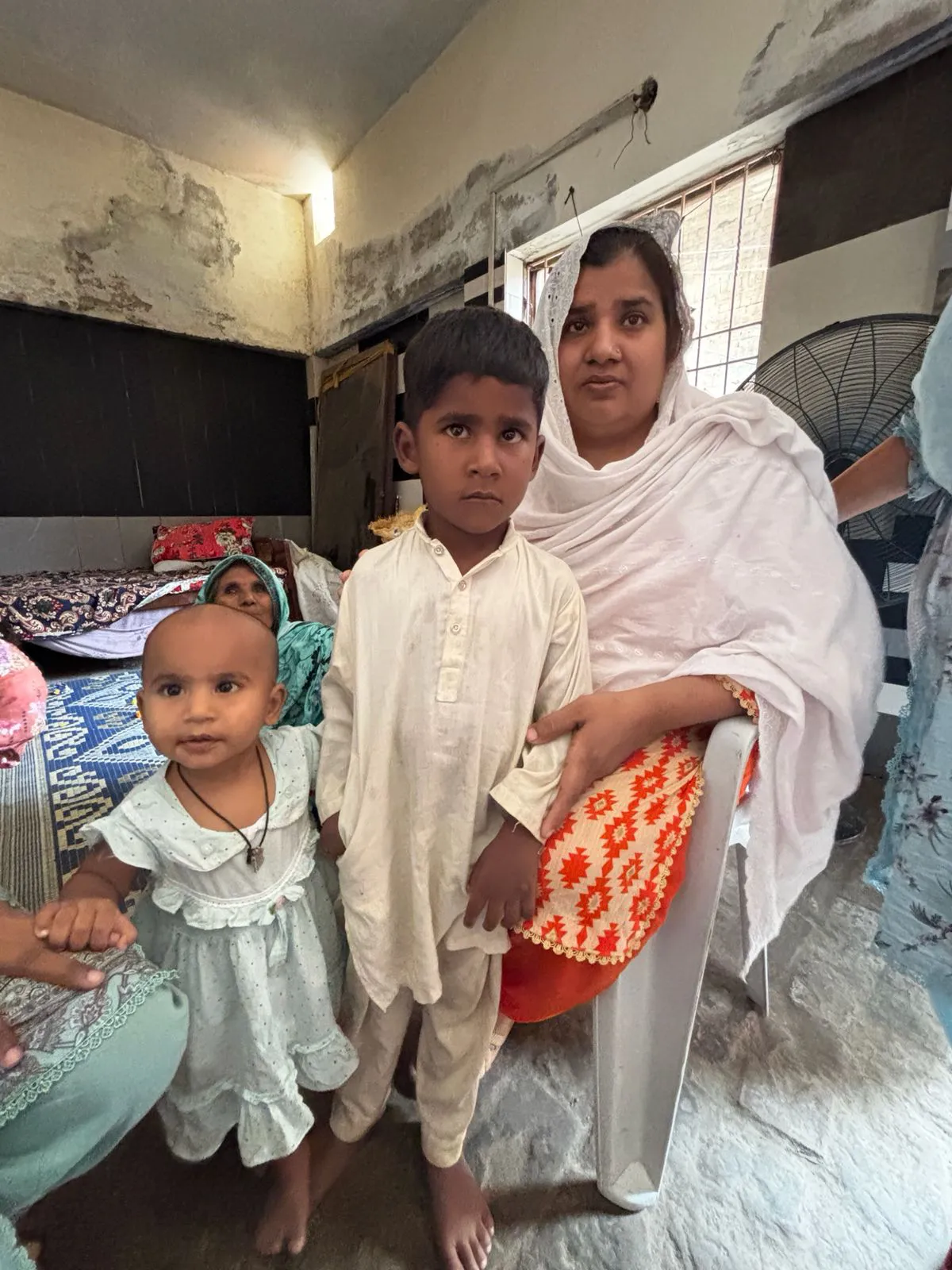
Three days later, on the sweltering morning of July 3, women gather inside a dimly lit room in the corner house that Shamim had pointed to. They have come to offer condolences to the parents of 7-year-old Abdullah and 5-year-old Arham, 2 of the 14 children killed when the tutoring centre roof collapsed.

Outside, the men sit under a makeshift tent. The narrow lanes surrounding the house appear unusually clean; some have even been washed down, leaving small puddles glistening in the sun. Policemen in khaki uniforms stand at nearly every corner.
“Fourteen children from this neighbourhood..." Her voice breaks with emotion. "That day was no less than Karbala."
Residents say the streets were swept ahead of Punjab Chief Minister Maryam Nawaz's visit to the bereaved families. "That's why they've cleaned everything," says Malik Munir Ahmed, who runs a nearby mobile phone shop. "They've turned this tragedy into a tamasha."
Kahna’s village Kachwana is home to predominantly low-income families, many of whom rely on daily wage labour to make ends meet. Against this backdrop, Chief Minister Maryam Nawaz arrives in a convoy of gleaming black SUVs: she meets the bereaved families, distributes compensation of Rs 2 million for the family of each child killed and Rs 500,000 for each injured child, and orders an inquiry into the collapse.
Yet, for many residents, the compensation “will help the families monetarily. But money can be earned. A child's life cannot," says Abdullah’s khala. Their more pressing concern is why this tragedy was allowed to happen in the first place. “The woman who ran the tutoring centre was warned by a contractor that the roof was dilapidated.”
The Kahna disaster is merely the latest in a series of similar preventable tragedies. Just two days after the Kahna incident, an eight-year-old child was buried under the rubble when the roof of another tutoring centre gave way in Lahore's Baghbanpura neighbourhood. Before that in March this year, seven women were killed when the roof of a shop serving as a Benazir Income Support Programme (BISP) payment centre collapsed in Rahim Yar Khan. Last September, seven members of a family, including five children, died beneath the roof of their home in Hafizabad. The previous month, a 17-year-old girl was killed in a similar roof collapse in Gujjar Khan.
The scale of the problem has long been known to the relevant authorities, such as local governments and development authorities. In 2021, The Urban Unit, in collaboration with the Punjab Disaster Management Authority (PDMA), identified 9,380 dangerous buildings across Punjab. Of these, 3,522 were recommended for demolition, 5,247 required repairs, while a decision on 611 buildings was pending. Lahore accounted for the largest concentration of unsafe buildings, followed by Multan.
The consequences of failing to address these risks are reflected in Rescue 1122's records. Between 10 October 2004 and 31 May 2026, the emergency service responded to 14,058 structure-collapse incidents across Punjab. Faisalabad recorded the highest number of incidents (2,428), followed by Lahore (2,124).
“The government is obsessed with roads, underpasses and flyovers. Even when they talk of housing, it is always about new houses – that too, far from the city centre. It's always about vanity projects. How about having a scheme to fix these deficiencies?”
While researching Pakistan's housing challenge, economist Dr Durre Nayab of the Pakistan Institute of Development Economics (PIDE) found that the country's problem is not merely a shortage of homes, but the poor quality of the existing housing stock. Drawing on data from the Pakistan Social and Living Standards Measurement (PSLM) survey and the Population and Housing Census, she argues, housing congestion and substandard housing remain widespread. “To assess housing quality, two key indicators can be roofing materials and sanitation systems. While conditions are notably worse in rural areas, the overall national data presents a concerning picture. Take the case of roofing materials. 38 percent are constructed using RCC/RBC, 38 percent TR girder, 18 percent wood or bamboo, and 6 percent use sheet, iron or cement.”
She adds, “The government is obsessed with roads, underpasses and flyovers. Even when they talk of housing, it is always about new houses – that too, far from the city centre. It's always about vanity projects. How about having a scheme to fix these deficiencies?”
Punjab does not lack building regulations. The Building Code of Pakistan 2021, together with building and zoning regulations enforced by development authorities such as the Lahore Development Authority (LDA), provides a framework governing structural design, seismic resilience, fire safety and occupancy standards. They are empowered to identify dangerous buildings, issue notices, order repairs, evacuate occupants, seal premises and, where necessary, demolish unsafe structures.
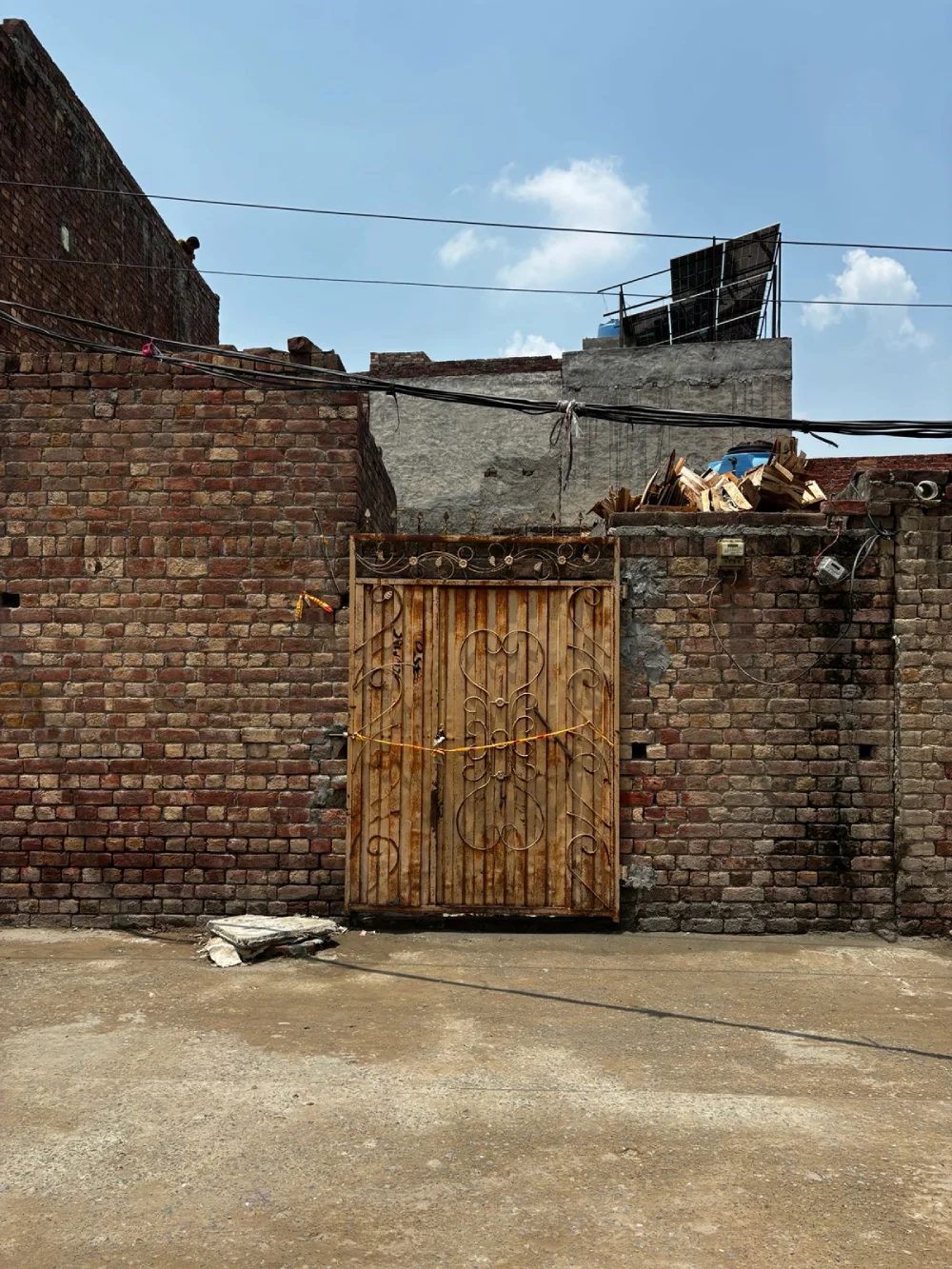
But laws alone do not keep buildings standing. The real weakness lies in enforcement. Responsibility for ensuring the structural safety of buildings is fragmented across multiple agencies, inspections are irregular, and safety checks are too often triggered by tragedy rather than prevention. With the monsoon approaching — a season that routinely exposes the vulnerabilities of ageing structures — Punjab has little time to lose. The next collapse should not be the event that finally prompts action.

Alefia T. Hussain is a journalist based in Lahore.