Pakistani fashion has been going abroad for years. Usually, it looks something like this: a hotel ballroom, a rack of clothes, a few mannequins, perhaps a trunk show or a carefully arranged exhibition, with the brand spending a few days trying to introduce itself to a predominantly desi audience that already knows what it is looking at.
Well, there is nothing wrong with that. Fashion travels in all sorts of ways. But there is a difference between taking a collection abroad and placing it within the visual and cultural conversation of another city. Color Coded Crime has done the latter.
The Pakistan-based label by Mahrang Anwer presented its Spring/Summer 2027 collection, ‘The Other and I’, in New York during NYFW. But what made the presentation interesting was not simply the location. It was the fact that the collection did not seem to be trying to scrub away where it came from in order to belong there. Its references remained distinctly South Asian, its craft remained central, and its ideas were rooted in questions of identity.
That is a more complicated proposition than simply taking Pakistani clothes overseas.
The idea is not to dress someone entirely in traditional clothing. It is to give them another vocabulary within a wardrobe they already understand.
And for Color Coded Crime, the story began long before New York: in Lahore, in cinema, in family photographs, in South Asian craft, and in a childhood spent surrounded by it all.
The designer Mahrang Anwer studied fashion at the Pakistan Institute of Fashion and Design before attending a summer programme at L’École de la Chambre Syndicale de la Couture Parisienne. There, an encounter with some of Cristóbal Balenciaga’s earliest hand-drawn sketches reinforced something she had already understood instinctively: that a garment can begin with something as simple as a line.
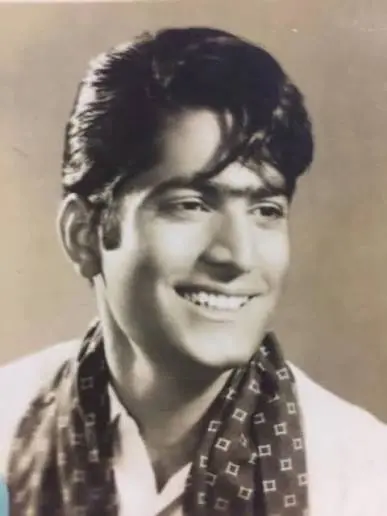
But fashion had entered her life much earlier. Her father, Anwer Iqbal, was a famous actor and, by any account, an exceptionally handsome and well-dressed man. Their mother loved fashion too. Growing up, there were glamorous photographs from the 1980s, clothes, jewellery, and people from the film and drama industry constantly moving through the home.
There was also Pakistan itself: its colours, architecture, textiles, people and contradictions.
“I think all of those things entered my visual vocabulary long before I had the language to call them fashion,” she says.
That idea of visual memory has remained central to Color Coded Crime. The label is interested in clothing as something that can be lived in and kept, rather than simply consumed and replaced.
“The people who wear Color Coded Crime are people who like to express themselves,” Anwer explains. “They see clothing as an extension of identity, as something that can carry meaning, and also as something that can be lived in, kept, repaired and passed on rather than simply consumed and discarded.”
For Anwer, fashion has too often placed glamour and visibility at the centre while pushing the people who actually make the clothes into the background.
“I created it because I struggled with the toxicity of fashion, the way glamour can become the centre of the conversation while the people who actually make fashion disappear into the background,” she says.
At Color Coded Crime, that means the designer is not interested in being the sole author of a garment. Artisans, tailors, the design team, models and clients are all considered part of the process.
“For me, the creative director isn’t the only author. Every pair of hands leaves something behind.”
That belief becomes particularly interesting when you look at what informs the clothes themselves. The designer's references stretch across South Asian textile history, embroidery, couture and craftsmanship, but also cinema, photography, architecture and landscape.
“My design sensibility begins with remembering,” she says.
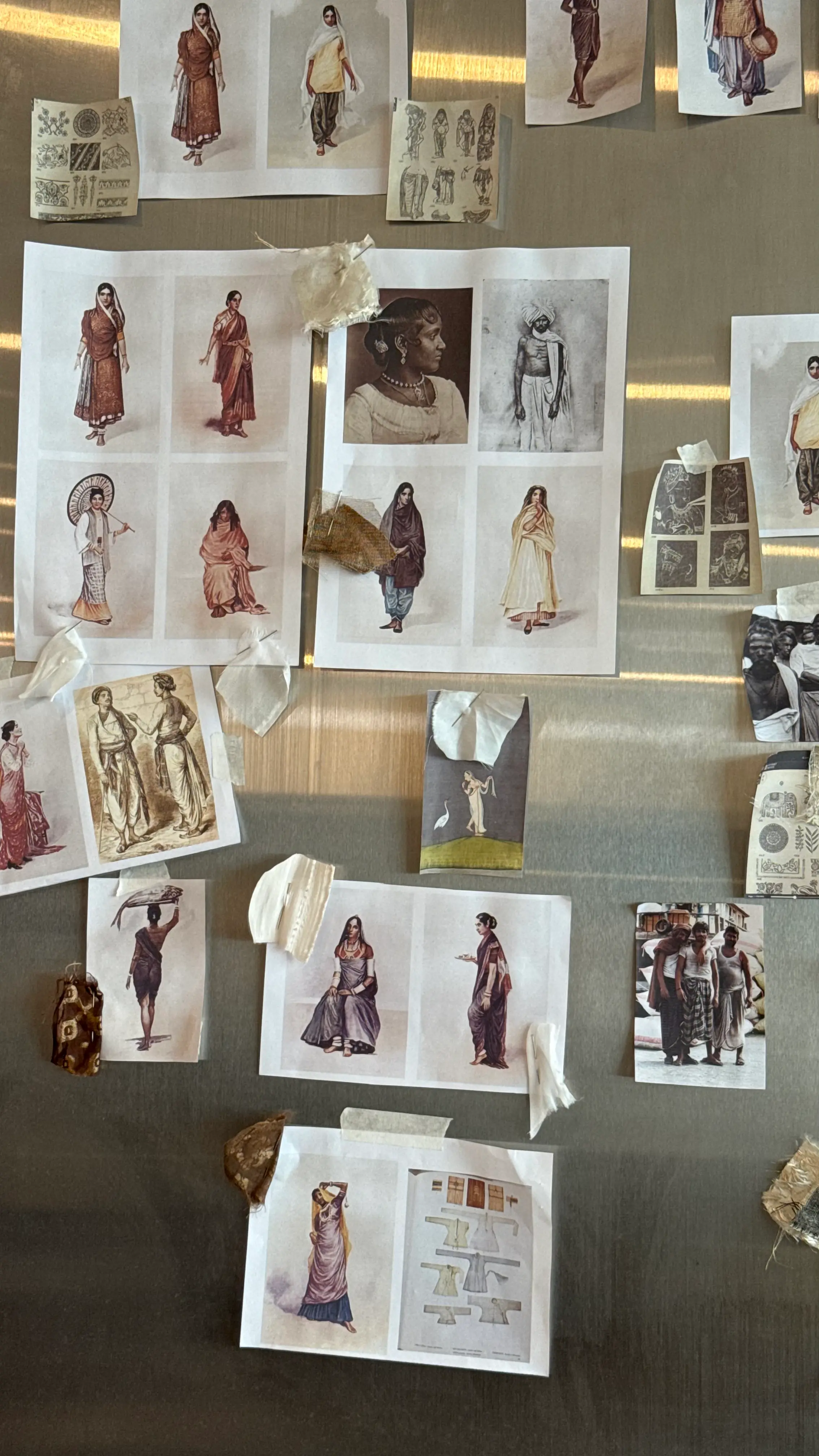
There is an attempt here to look backwards without making nostalgia the point. Anwer is interested in what South Asia has contributed to the visual and material language of the world: cotton, textile traditions, embroidery, craftsmanship and the sophisticated systems of dress that developed across the region. But equally important is the knowledge of the generations of artisans who made those traditions possible.
[T]he designer is not interested in being the sole author of a garment. Artisans, tailors, the design team, models and clients are all considered part of the process. “For me, the creative director isn’t the only author. Every pair of hands leaves something behind.”
Cinema enters the conversation too. She describes film as a major influence on their colour palettes, often remembering the atmosphere of a scene rather than simply a particular colour.
This collection, ‘The Other and I’, began with a question about looking: the distance between how South Asia has historically been observed and how it has chosen to observe and preserve itself.
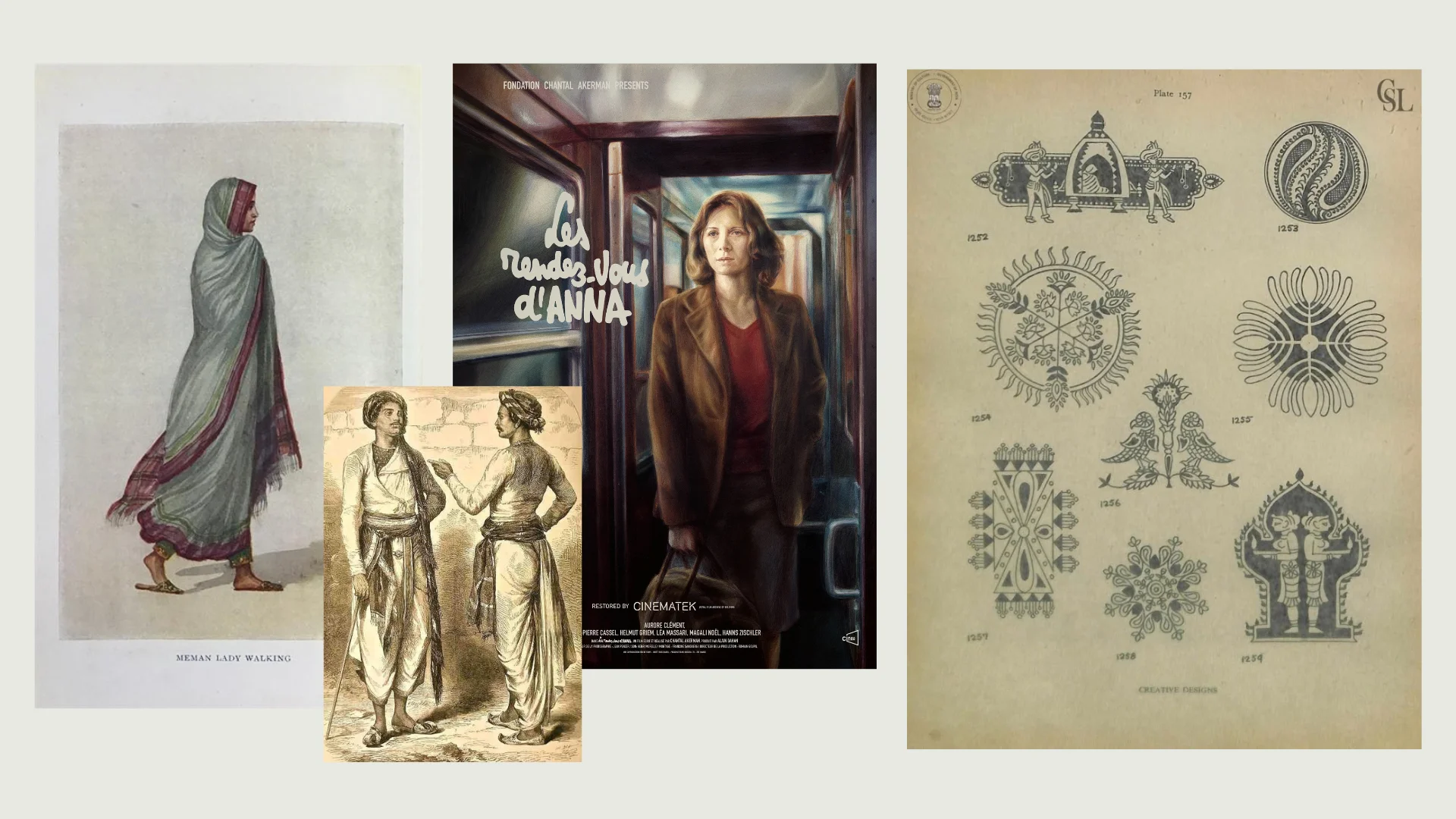
Its starting point was two very different archives. One was Otto Rothfeld’s colonial account, Women of India. The other was Enakshi Bhavnani’s post-independence Decorative Designs and Craftsmanship of India. One represents an outsider attempting to document and categorise the women and clothing of the subcontinent; the other emerges from a period of documenting and reclaiming craft traditions on their own terms. Rather than resolving that contradiction, Anwer has decided to leave it visible.
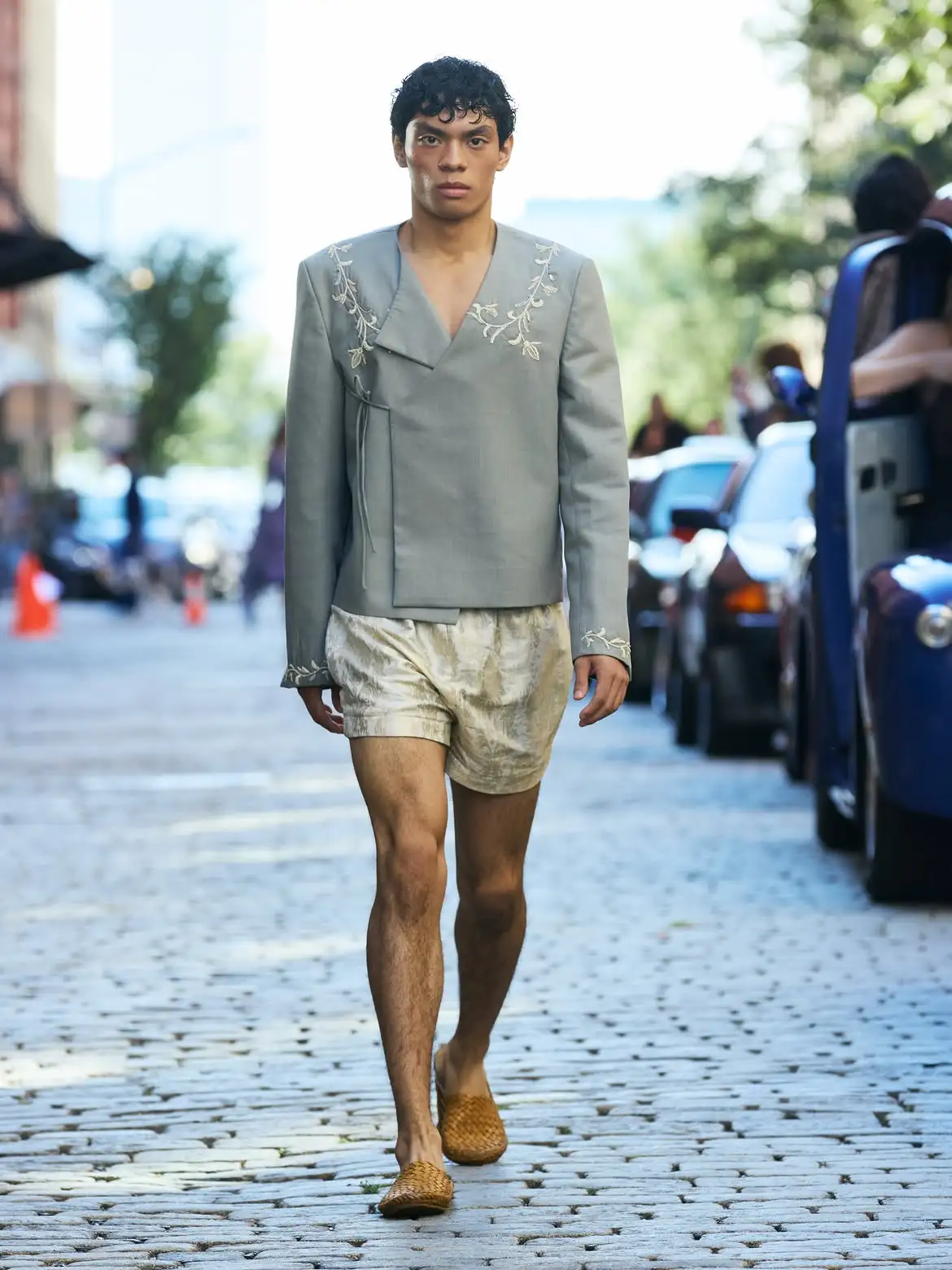
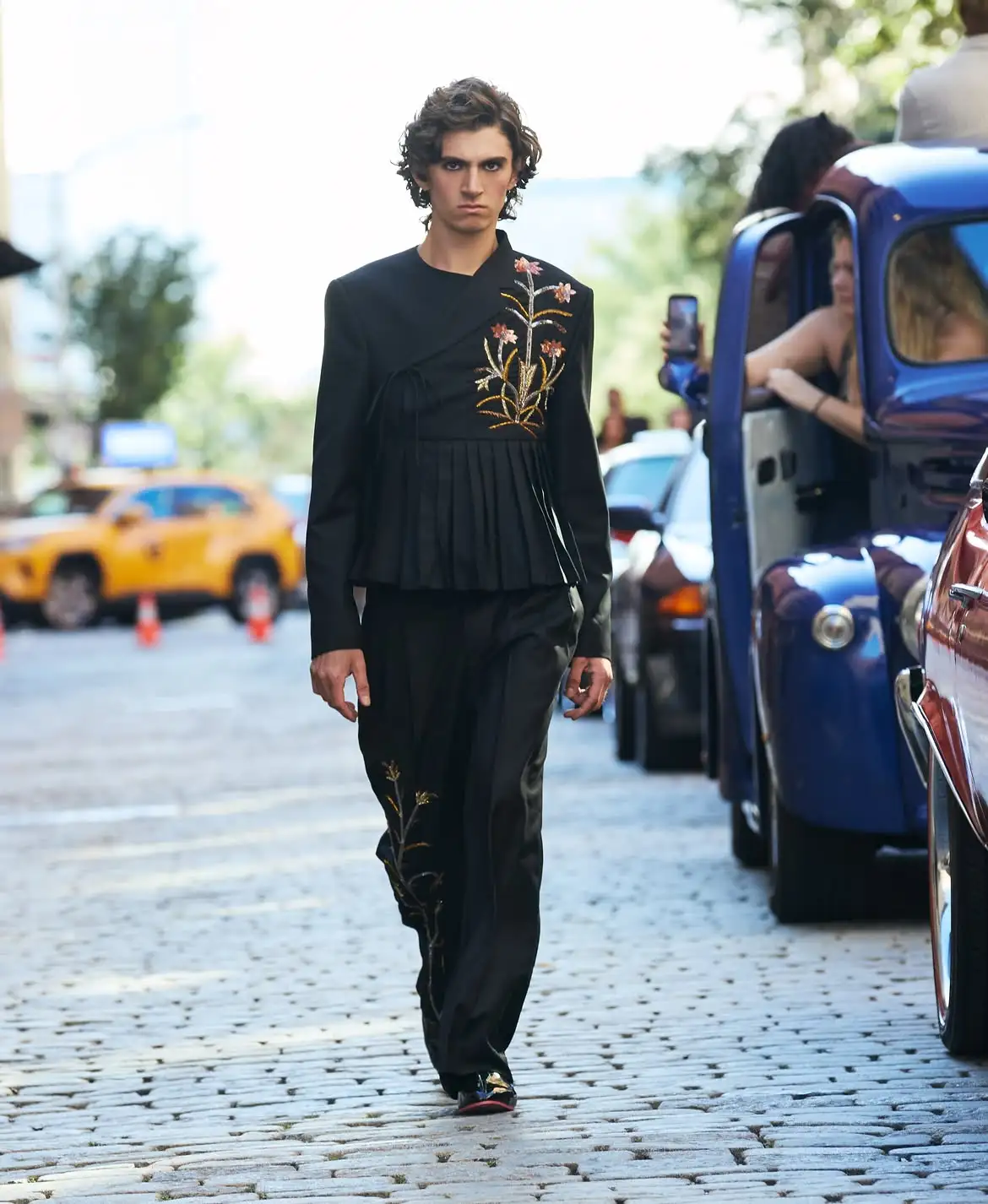
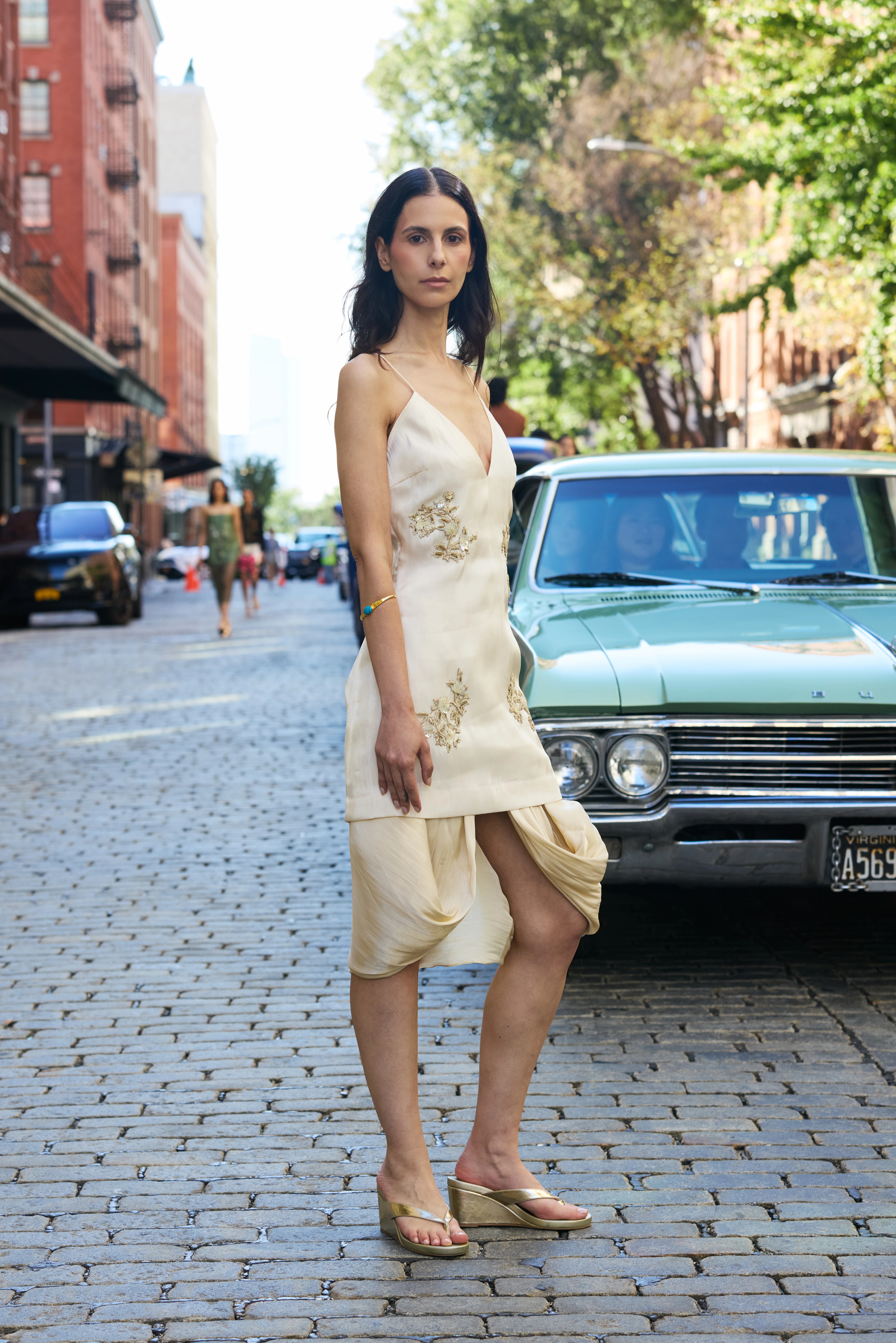
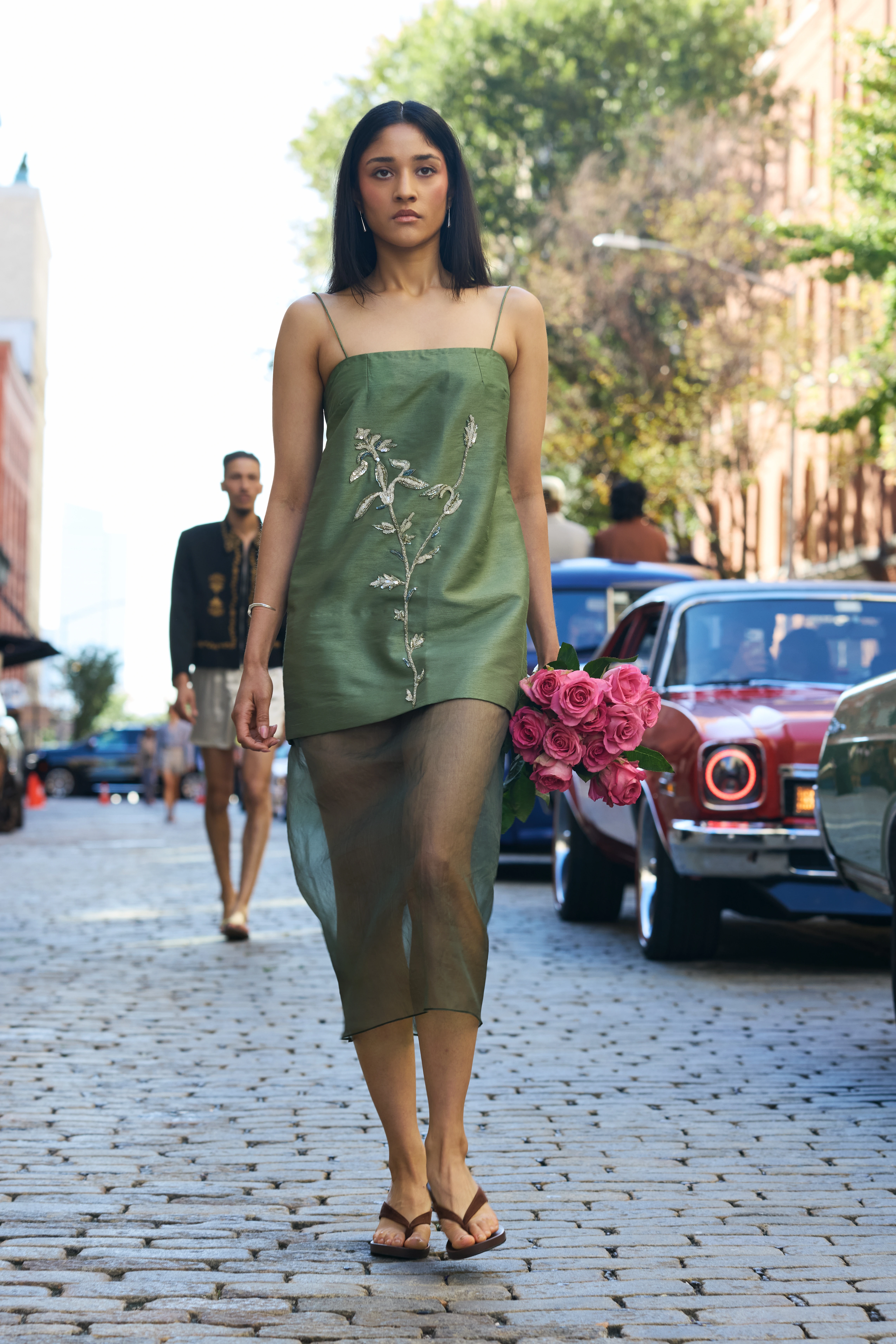
The clothes begin with silhouettes preserved in those archives: lungis, angarkha jackets, wrapped and layered forms. But these references are translated into a contemporary wardrobe, particularly through draping that recalls the movement of a dupatta, allowing fabric to wrap, fall and move around the body rather than simply enclose it.
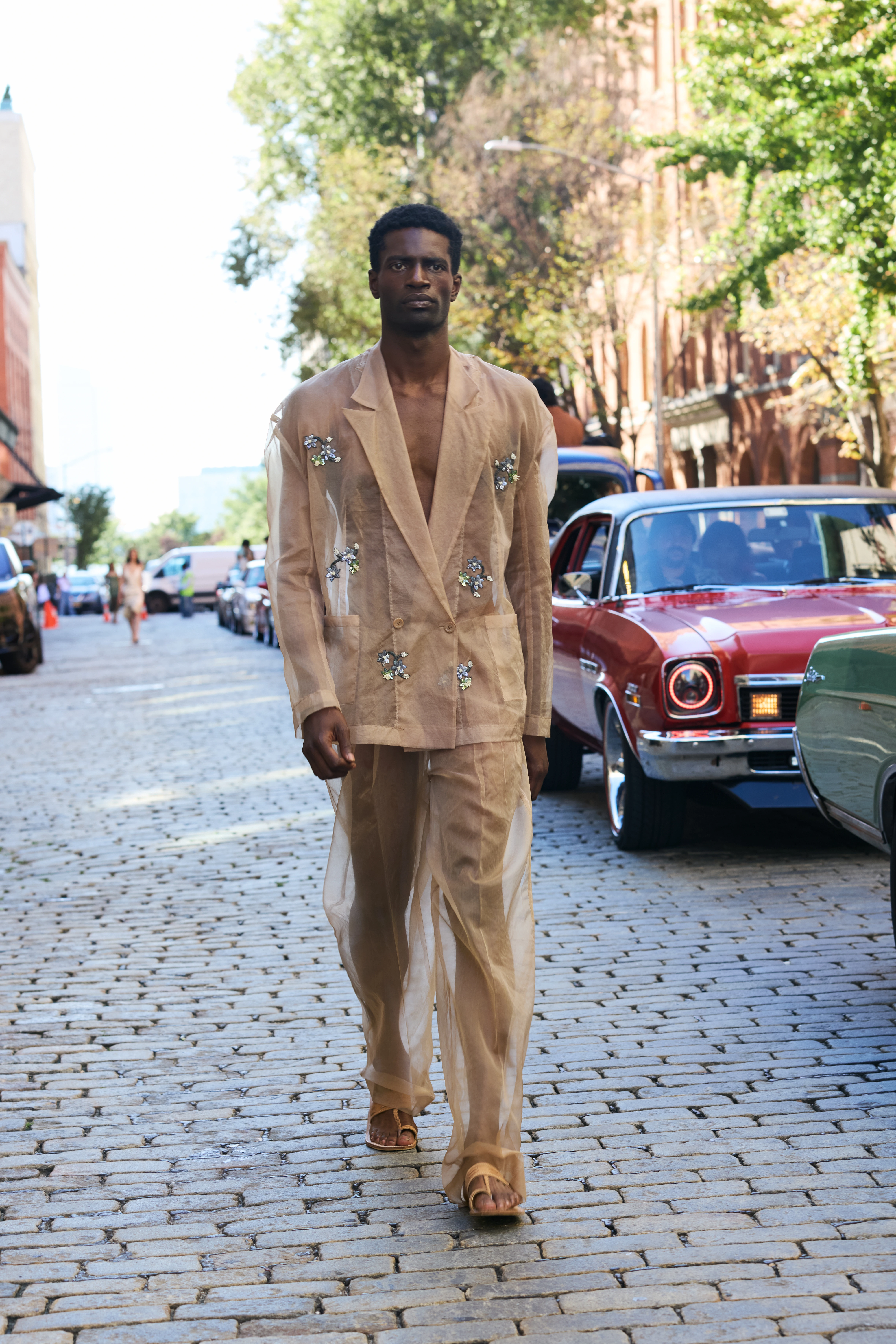
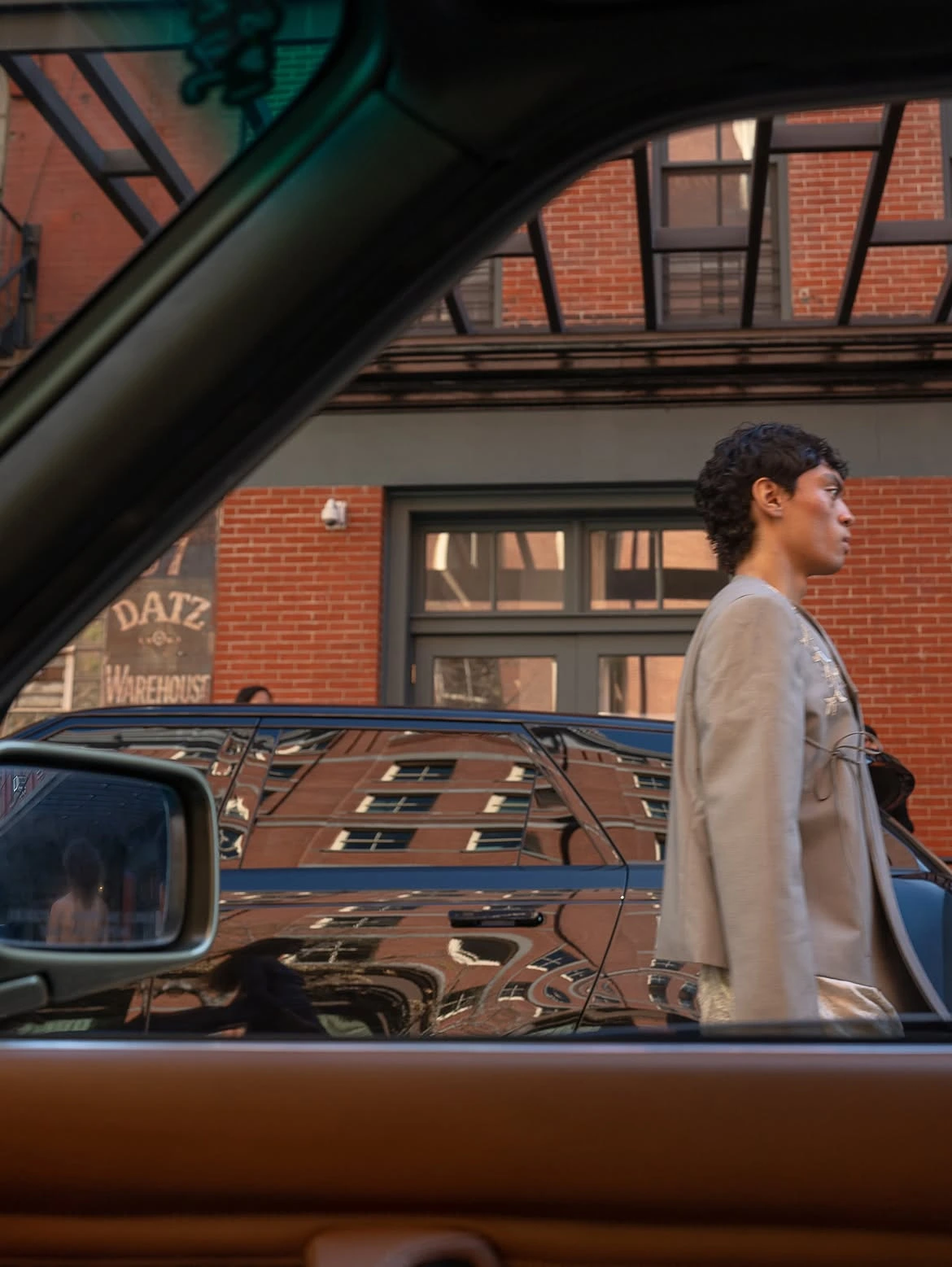

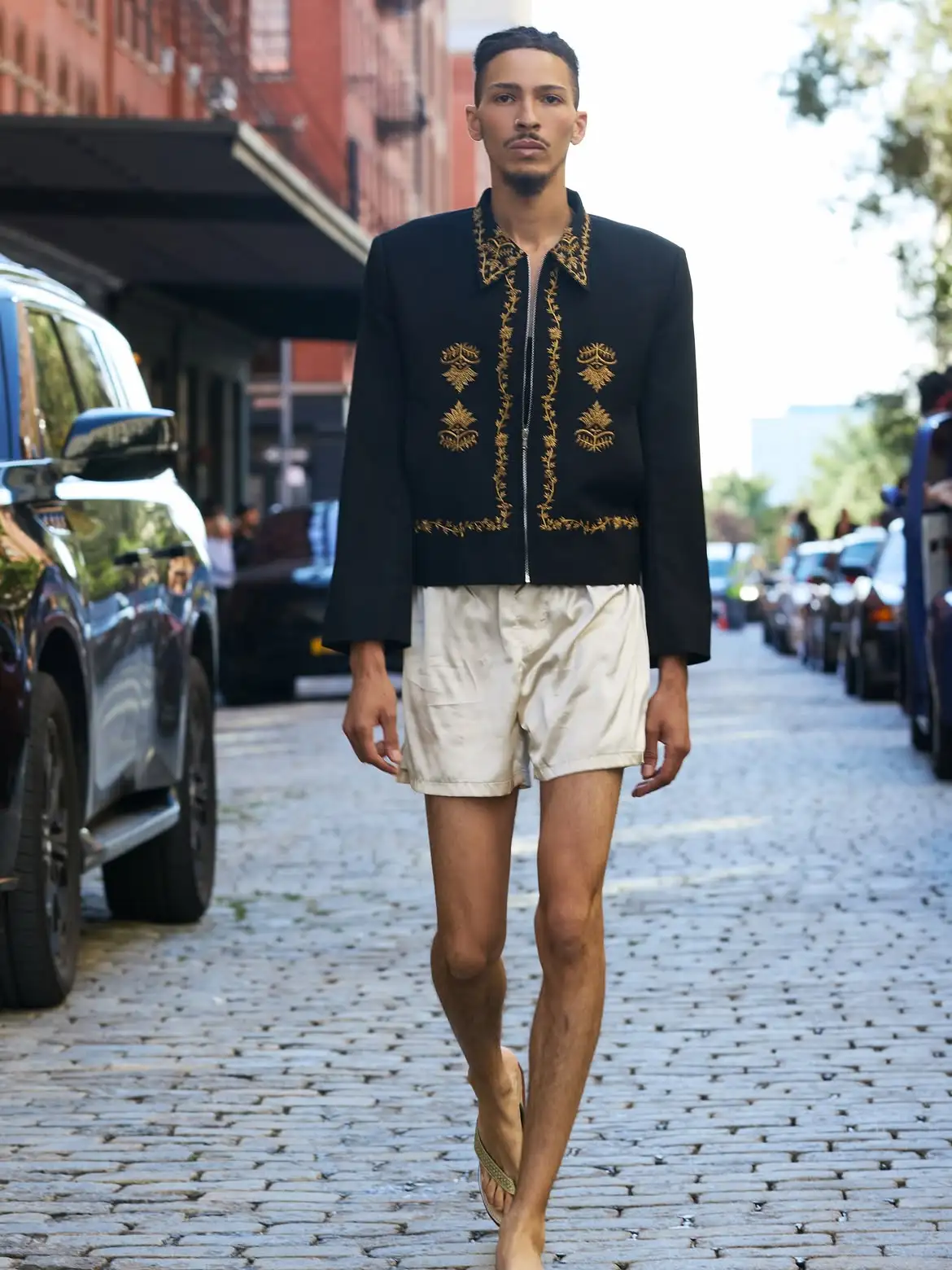

Click images to view in full screen
This is also where the collection becomes relevant to the audience Color Coded Crime is trying to reach in the West. The clothes are not intended to compete with the everyday Western wardrobe such as a T-shirt and jeans. The customer is someone who might normally wear Western clothes but wants something with a distinctly Eastern sensibility: a particular cut, a South Asian silhouette, hand embellishment or a way of draping that changes the familiar proportions of a Western garment. The idea is not to dress someone entirely in traditional clothing. It is to give them another vocabulary within a wardrobe they already understand.
The materials remain rooted in the region too. Locally sourced South Asian fabrics including organic silks, mesh, chiffon and organza create a sense of transparency and concealment. Sheerness becomes part of the collection’s thinking about the archive: what we see, what is obscured and what remains underneath.
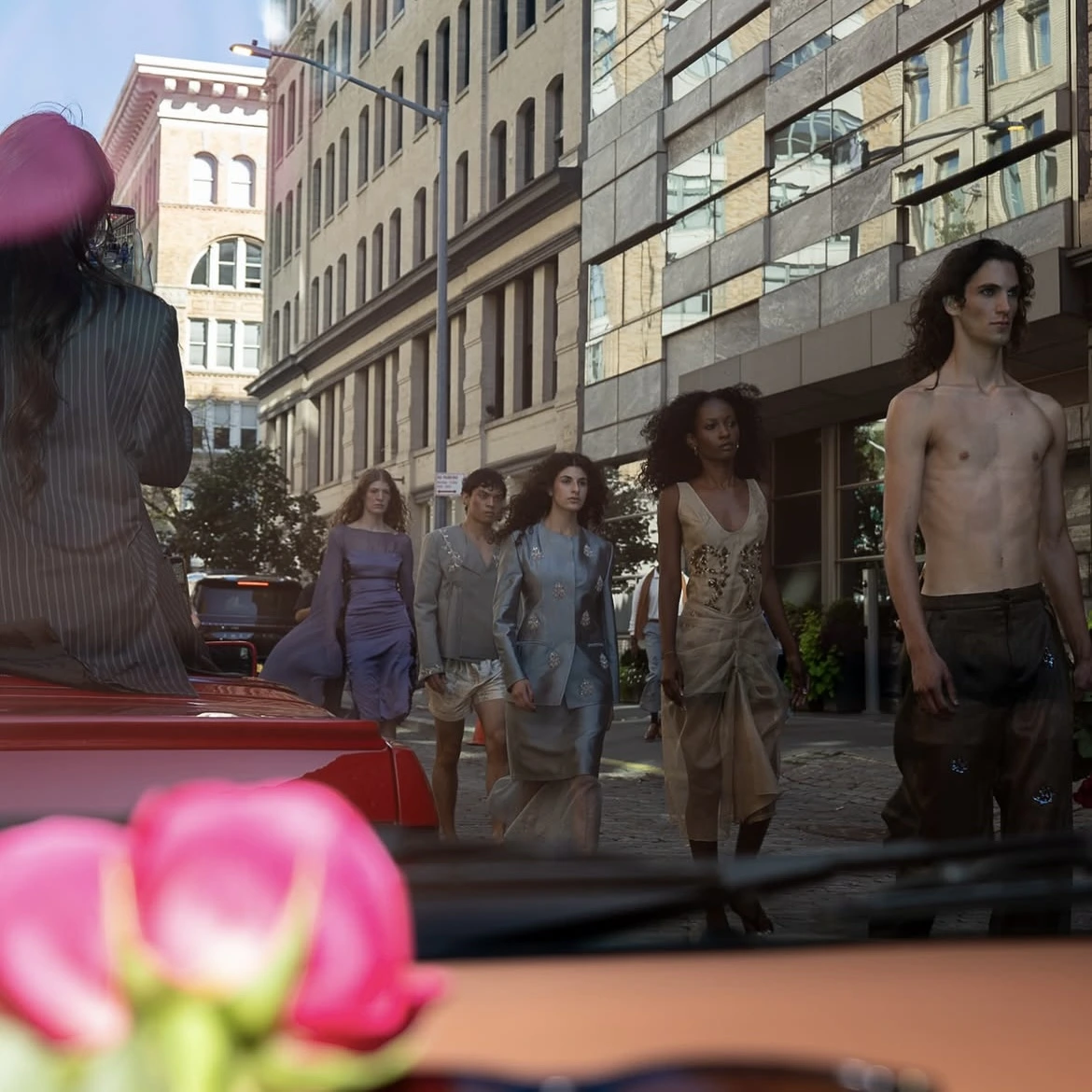
The presentation itself grew from the collection’s fascination with looking at one another. The starting point was something remarkably ordinary: an urban traffic jam. Those few suspended minutes when a car window becomes a frame and strangers suddenly notice each other.
The collection’s colour palette came from another kind of archive: cinema. Chantal Akerman’s Meetings with Anna became a reference point, particularly its muted atmosphere and the film’s ideas around women being constantly present for other people while remaining absent from their own lives.
“I was interested in translating that feeling into clothing, through restraint, layering, distance and the relationship between the body and the space around it,” Anwer says.
It is a fitting idea for a collection concerned with observation. Who is looking? Who is being looked at? And what happens when the person being observed also gets to control the image?
Those questions followed the collection into New York. Anwer describes showing during NYFW as one of the most beautiful experiences for Color Coded Crime, particularly because the brand already had a community there. The presentation expanded that community rather than simply introducing the label to a new audience.
That community did not appear overnight. The label has been building relationships in North America and Europe through people who have worn its clothes and through connections with artists, musicians, filmmakers and other cultural figures. The brand has also deliberately sought out people interested in Brown voices not simply as an aesthetic or a trend, but as authors of their own culture.
Sameer Gadhia, the lead vocalist of the American indie rock band Young the Giant, has worn a bespoke salmon-pink Mughal Nehru suit created by the label. Emmy-nominated documentary producer, author and activist Tanya Selvaratnam wore a custom hand-embellished piece featuring a Mughal miniature owl painting at the Sundance Film Festival. Italian-American filmmaker, musician and Venice Beach Biennale co-founder Tao Ruspoli has also worn a custom geometric piece by the label for his 50th birthday.
These connections give some context to the community Anwer describes in New York. The label is not arriving in the city entirely unknown; there are already people there who understand what it is trying to do and who are keen to wear it.
The casting call became part of that idea. Rather than prescribing exactly how people should present themselves, the team allowed participants to bring their own energy to the process.
The presentation itself grew from the collection’s fascination with looking at one another. The starting point was something remarkably ordinary: an urban traffic jam. Those few suspended minutes when a car window becomes a frame and strangers suddenly notice each other.
What is someone wearing? How are they moving? What does their jewellery say? How do they occupy the small space around themselves?
There was something particularly Pakistani about that idea too.The designer thought of street vendors moving between cars, selling flowers, trinkets and small objects to passing drivers. In those brief encounters, two strangers become intensely aware of each other before the traffic moves and the moment disappears.Vintage cars, created in collaboration with Sangray NYC, brought that sense of movement into the presentation.
There is also a practical reason why New York matters to Color Coded Crime. A presentation in the city puts the clothes in front of a different fashion ecosystem: stylists, artists, designers, and most importantly buyers, clients and a diaspora audience that may already understand the cultural references in the work.
And there is precedent for Pakistani designers using New York to expand the conversation around their clothes. Sania Maskatiya became the first Pakistani designer to officially showcase at New York Fashion Week in 2018, later returning as part of the Council of Aspiring American Fashion Designers’ showcase. This year, Parishae Adnan also presented during NYFW through Flying Solo, adding another Pakistani fashion presence to the city’s fashion calendar.
The difference is that Color Coded Crime is not using New York to demonstrate that Pakistani fashion can exist there. It is using the city to develop an audience for a particular kind of Pakistani design: clothes that can sit within a Western wardrobe while retaining their South Asian vocabulary.
That same distance from fashion’s conventional machinery is also central to how the designer sees the brand.
“As much as I love fashion, there is a lot about the fashion world that I don’t agree with,” Anwer says. “I have consciously tried to position myself closer to the people who actually make fashion than to the clout that can surround it.”
For the label, sustainability begins close to the ground: with the people making the clothes, the materials being used, the relationship between a garment and the person wearing it, and whether that garment carries enough meaning to be kept.
Color Coded Crime’s approach is deliberately labour-intensive. The label works with artisans rather than treating handwork as an ornamental finishing touch, and production is kept restrained rather than built around the constant replenishment of trend-driven collections. Locally sourced fabrics are used throughout the work, while leftover material can be repurposed into archival samples rather than simply discarded.
The point is not to turn craft into a nostalgic museum piece. It is to keep the knowledge behind it creatively alive.
There is, of course, a wider conversation happening in fashion around sustainability, slow production, repair, craft and the people who make clothes. Color Coded Crime is not alone in questioning an industry built around speed and disposability. What makes its position particularly relevant is that its argument is tied directly to South Asia’s existing systems of craft and making, rather than treating sustainability as a new idea imported from elsewhere.
The label’s clothes are not designed to be consumed for a season and forgotten. They are intended to age, to be repaired, and to carry forward the histories embedded in their making. Because ultimately, Color Coded Crime seems less interested in making a moment than in making something that survives it.
In a fashion landscape today that is increasingly organised around visibility, virality and the next image, there is something quietly radical about insisting that the process still matters. That the hands behind a garment matter.

Aamir Ali Shah is a savvy marketing consultant, while by night he passionately curates aamiriat, a blog dedicated to fashion critique, South Asian fashion history, fragrances, and book reviews.