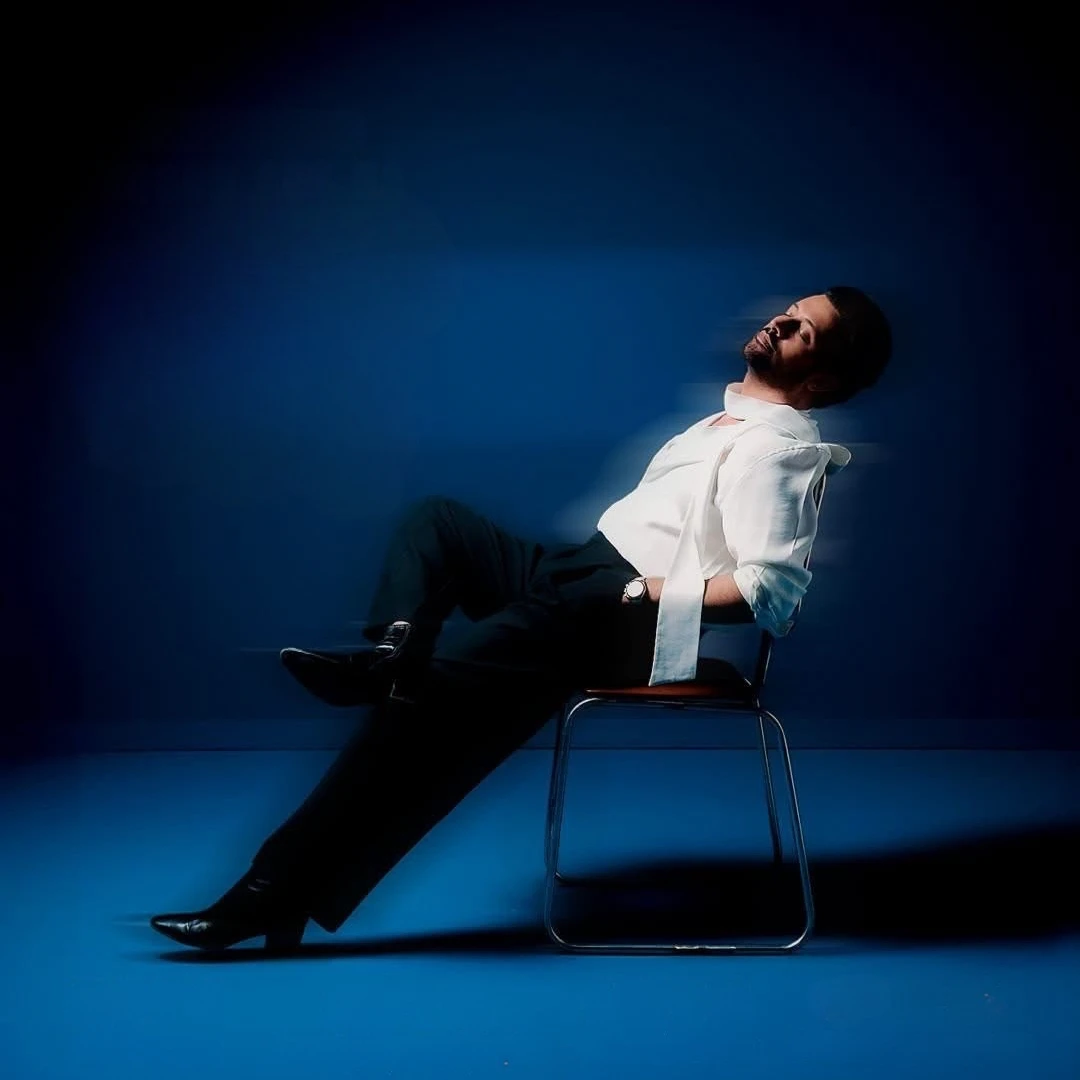
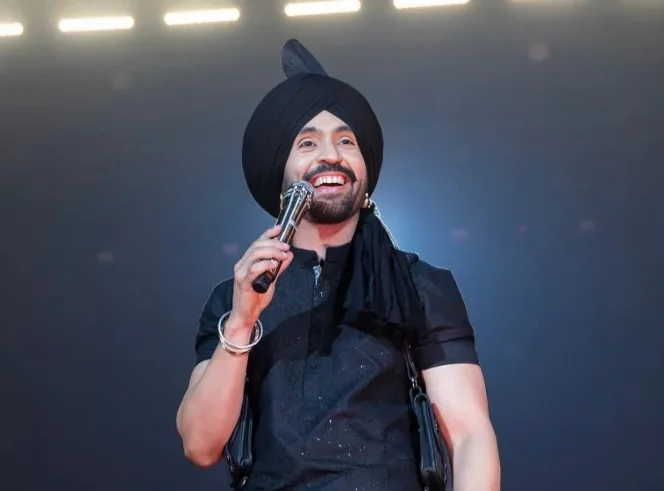
Dilgit Dosangh’s trademark opening sentence, “Punjabi aa gai oye!” creates a pulsing ripple across a euphoric crowd at his concerts, and the same wave travels through the phones and tv screens of those watching. Dosangh opens his concerts across the globe with the same words, each time celebrating Punjabi pride in a very liberating, unapologetic manner. This level of audacity and defiance in speaking Punjabi to a cheering crowd is something we haven’t witnessed on our side of the border.
Be it a drawing room setting or a school in urban Punjab, a child speaking in Punjabi will most likely be discouraged or even reprimanded for speaking their mother tongue. Years of discrimination has deepened this complex regarding the usage of Punjabi language in urban centers. Culturally speaking, people who speak in Punjabi are labelled paindu, which itself is a derogatory term or a slur for someone who isn’t cool, educated or elite enough. While the word, "Paindu" literally means "of the village" and is synonymous with terms such as rustic, uncultured or backward, what is important to note is that the stigma associated with it isn't really about the language itself, but what its usage is made to signify. This paindu-shame runs deep. But how did we get here?
Punjabi writer and academic Sarah Sikander explains that to understand the depth of the paindu-shame, you have to look at the colonial history. Sikander alludes to historian Neeladri Bhattacharya's book The Great Agrarian Conquest which traces how British colonial administration in Punjab (1849 onward) forcibly reorganized a rural world of herders and shifting cultivators into a taxable "agrarian group” of settled villages and demarcated farms. In doing so, colonial rule effectively invented what we call the “pind.” This pind or village was as an administrative unit which was governable and taxable, hence manageable by the ruling elite. So technically, this colonial-era hierarchy where the city is the place where the throne sits and sets the order and the pind or the village is the place that needs to administered, is arguably identifying the “paindu” phenomenon at its deepest core.
30 years ago an MPA in Punjab tried to address the assembly in Punjabi and was forcibly thrown out for speaking in his mother tongue.
Educationist and writer Jasir Shahbaz builds on this by explaining that when Pakistan was created in 1947, an outcome of the All Pakistan Education Conference was that we will forgo our tribalism and adopt Urdu as our national lingua franca. What this meant for Punjabi was that it was going to take a back seat in the social and cultural hierarchy. Citizens seeking economic mobility adopted Urdu and English; fluency in these languages became the marker of an educated person. Partition and Urdu's promotion as the national language didn't create the hierarchy where Punjabi was demoted. It simply gave it a new linguistic marker to attach to.
The case of Punjabi keeps getting stranger. Acclaimed journalist and author Mohammad Hanif tells me in an interview that 30 years ago an MPA in Punjab tried to address the assembly in Punjabi and was forcibly thrown out for speaking in his mother tongue. Within the Punjab province itself, a comparison with the 1998 and 2018 censuses revealed that Punjabi speakers decreased overall from 44% in 1998 to 37% in 2023. What is worth noting here is that the population of Punjab has only increased, indicating an increase in Punjabis’ distance from their mother tongue. Hanif explains that the education system is designed to exclude the Punjabi language, resulting in the cultural and linguistic disconnect that we are witnessing in these numbers.
Speculating on this on a national level, Shabaz argues that under the 18th amendment, provinces have the right to implement their own educational policies and that Punjabi should be taught as a language in schools in Punjab. In Sindh, Sindhi language is incorporated in the curriculum in some form or the other. In Khyber Pakhtunkhwa, Pashto is taught as a subject across schools in the province. There is plenty of research that indicates that children learn best if they are taught in their mother tongue; on an elementary level, it would make most sense if kids are taught in Punjabi in rural areas.
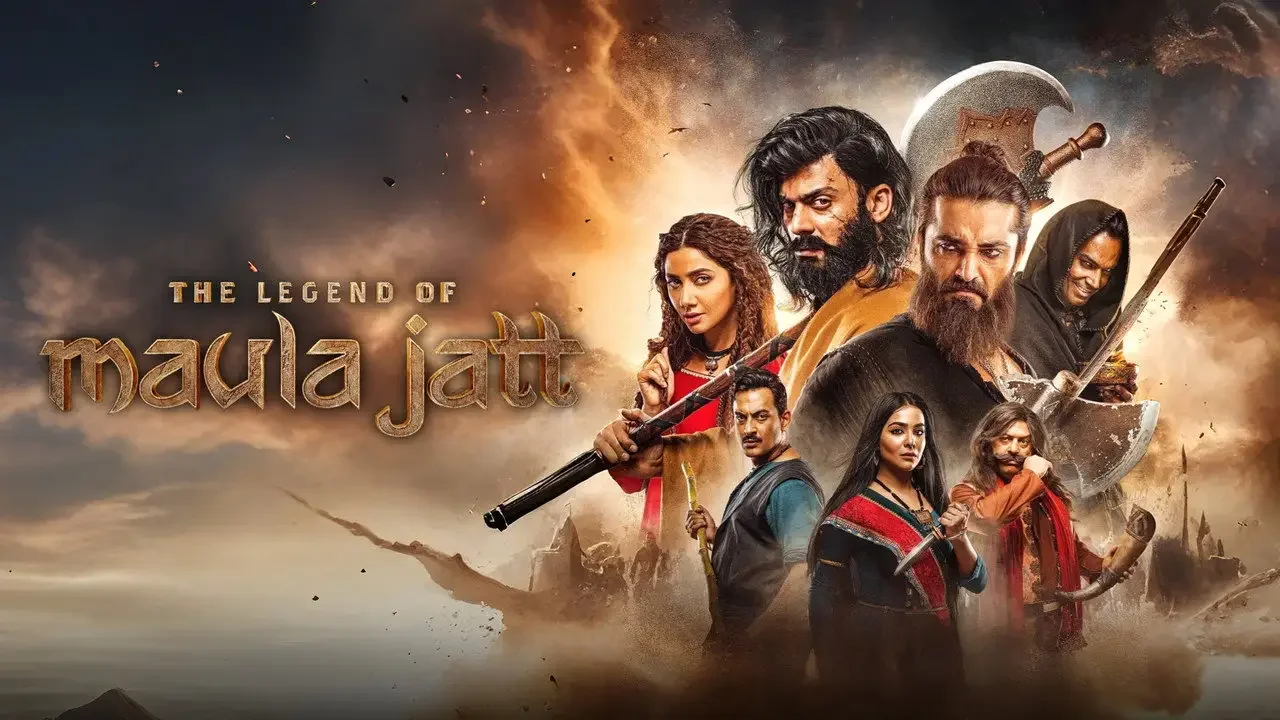
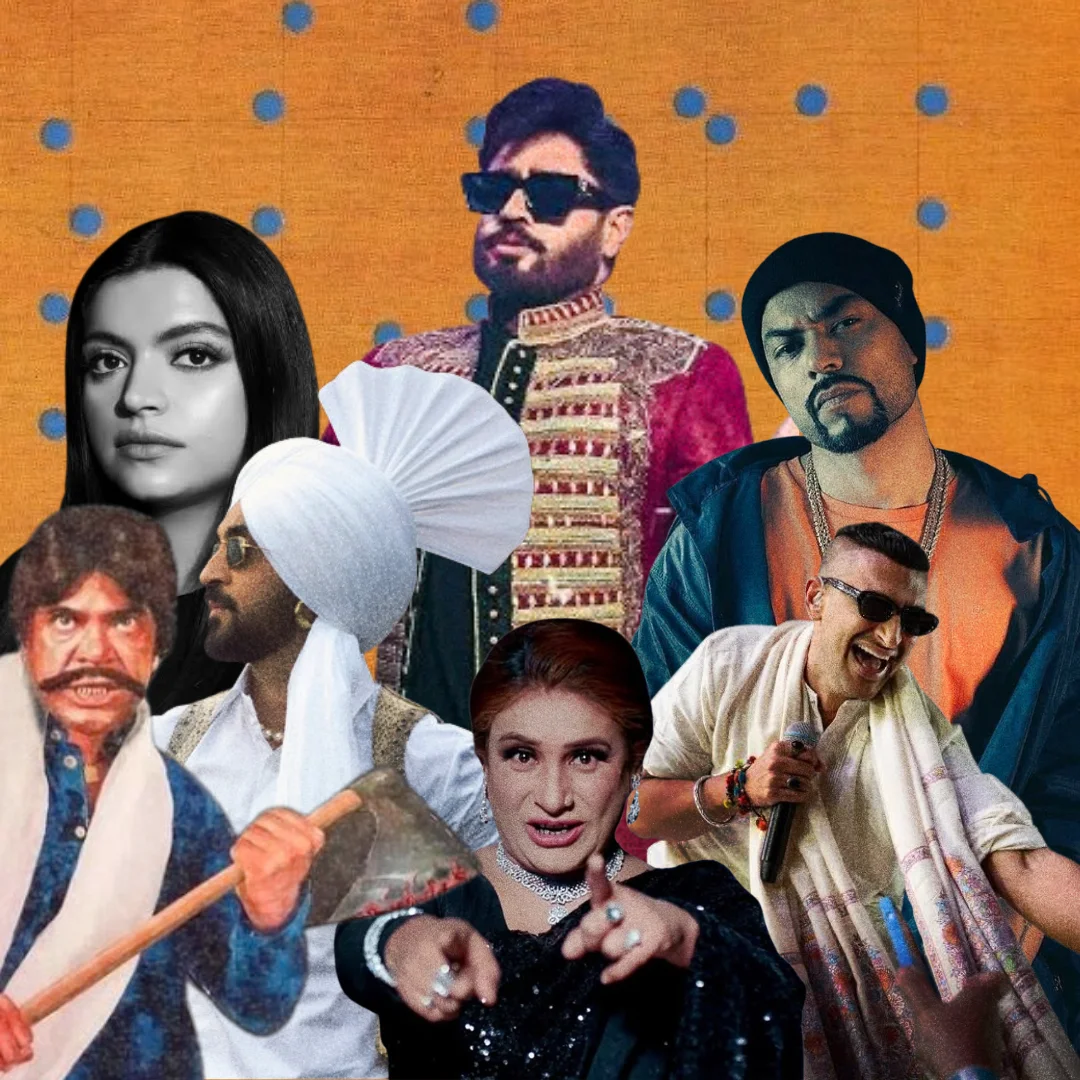
Despite the domestic shame attached to the language, Punjabi cinema and music have produced some of Pakistan's most genuine mass-cultural triumphs. The Sultan Rahi era is a key example. In the late 1970s film Maula Jatt, he plays a gandasa-wielding, mustachioed village hero, marking a successful dominance of Punjabi action films over the next decade. Rahi appeared in some 703 Punjabi films over a 40-year career and became a genuine folk icon, especially in rural Pakistan, despite coming from an Urdu-speaking family himself. Shaan Shahid carried that Lollywood action-hero mantle into the 1990s and 2000s as the industry's biggest star of the following generation. Then in 2022, Bilal Lashari's reboot The Legend of Maula Jatt featuring Pakistan’s most globally recognised star Fawaad Khan didn't just revive the classic but also became the highest-grossing Pakistani film of all time.
Punjabi succeeds spectacularly in film and music yet it is quietly demoted as everyday domestic speech. But the culture is shifting.
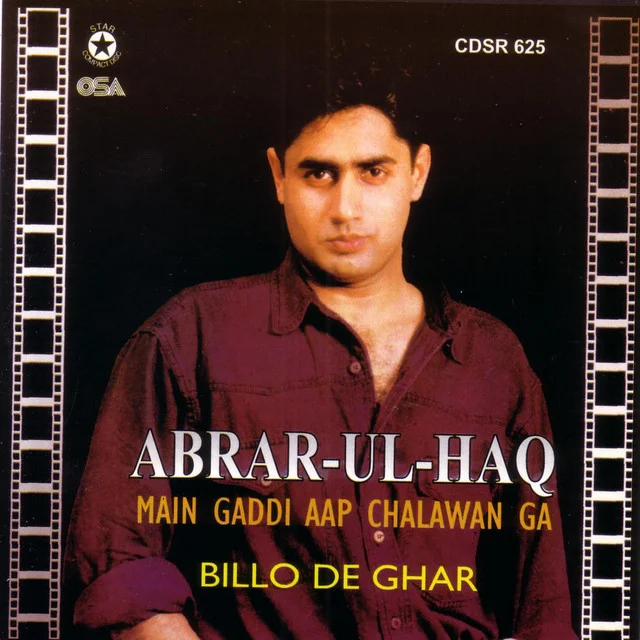
The history of Punjabi music sings a similar tune. Abrar-ul-Haq turned Punjabi bhangra-pop into a genuine national phenomenon in the late '90s and early 2000s, with his ground breaking single ‘Billo De Ghar.’ Playback and folk-pop singers like Shazia Manzoor, Arif Lohar, Naseebo Lal, Jawad Ahmad, Sajjad Ali, and Malkoo have kept Punjabi central to Pakistani film and stage music for decades. Now, a newer generation including Bohemia, Faris Shafi, and Imran Khan have pushed Punjabi into hip-hop and diaspora-facing pop, giving the language a cool, contemporary status that stands in stark contrast to the typical "paindu" coding that it has traditionally witnessed.
The pattern across both cinema and music is consistent: Punjabi succeeds spectacularly in film and music yet it is quietly demoted as everyday domestic speech. But the culture is shifting. With the popularity of Punjabi singers from India such as Sidhu Moose Wala and Dilgit Dosangh, more kids who wouldn’t normally consume Punjabi songs are now jamming to their tunes. Social media content creators like Tamkenat Mansoor and others combine entertaining content with insightful cultural commentary in Punjabi, gaining significant popularity among both millennials and Gen Z audiences.
Jasir agrees with that: “[This] new ownership of Punjabi among younger people is because of social media; they feel more connected with other people who speak Punjabi.” He explains that there is a U-shaped curve to Punjabi – that somebody who is educated, has gained fame and traction will try to return to their roots, and not feel any shame in speaking in Punjabi. Hanif says too that this generation has started to think that “doing this is cool.” Sikendar affirms that: “Certain connections with land and its language cannot be changed or broken.” Maybe this explains why you will hear Sidhu Moose Wala's songs being blasted in cars at traffic signals in Lahore.
Nelson Mandela famously said: “If you talk to a man in a language he understands, that goes to his head. If you talk to him in his own language, that goes to his heart.” Punjabi may not be spoken as widely as before in Pakistan, but there’s no question that is understood by the hearts.

Haneya Zuberi is a freelance writer based in Toronto.