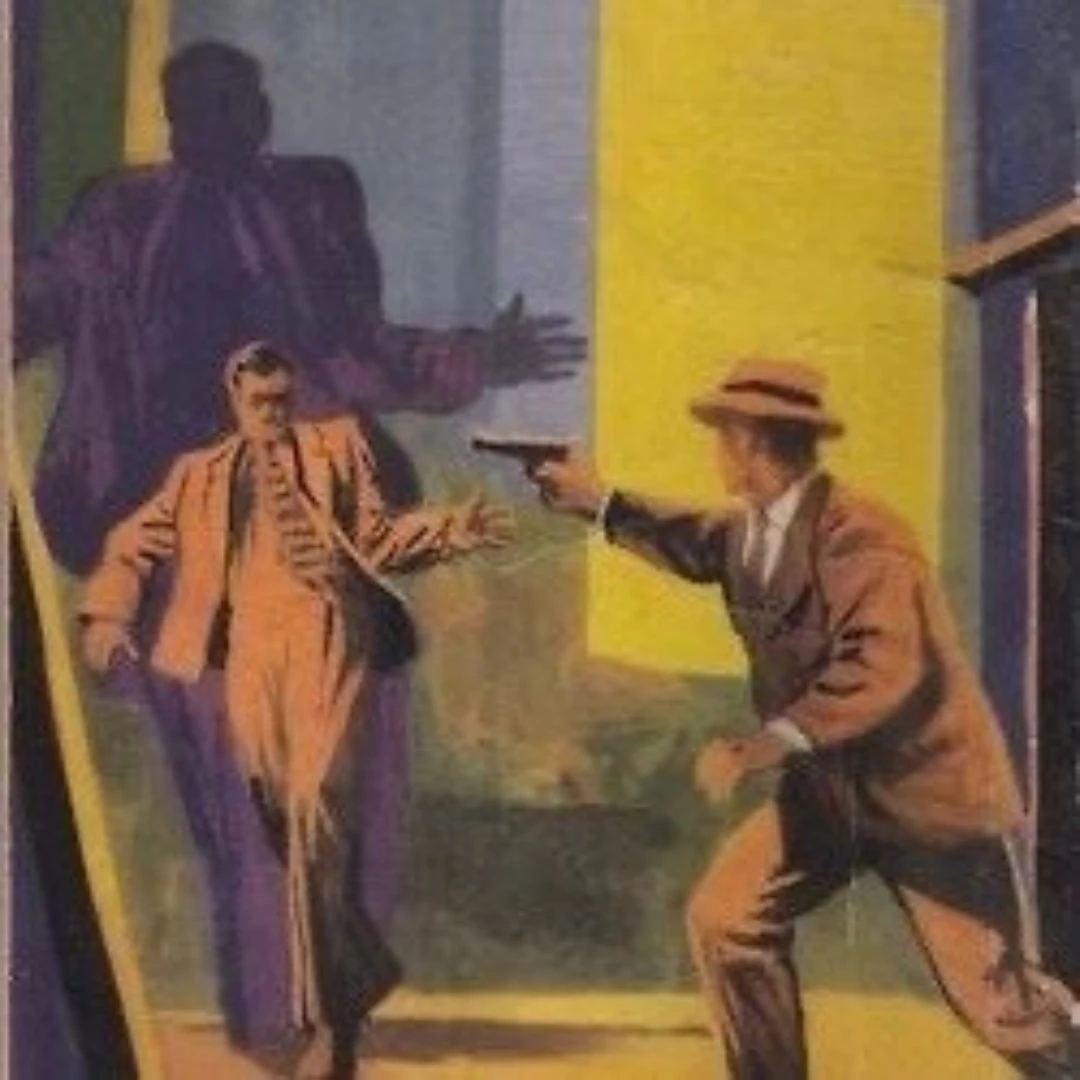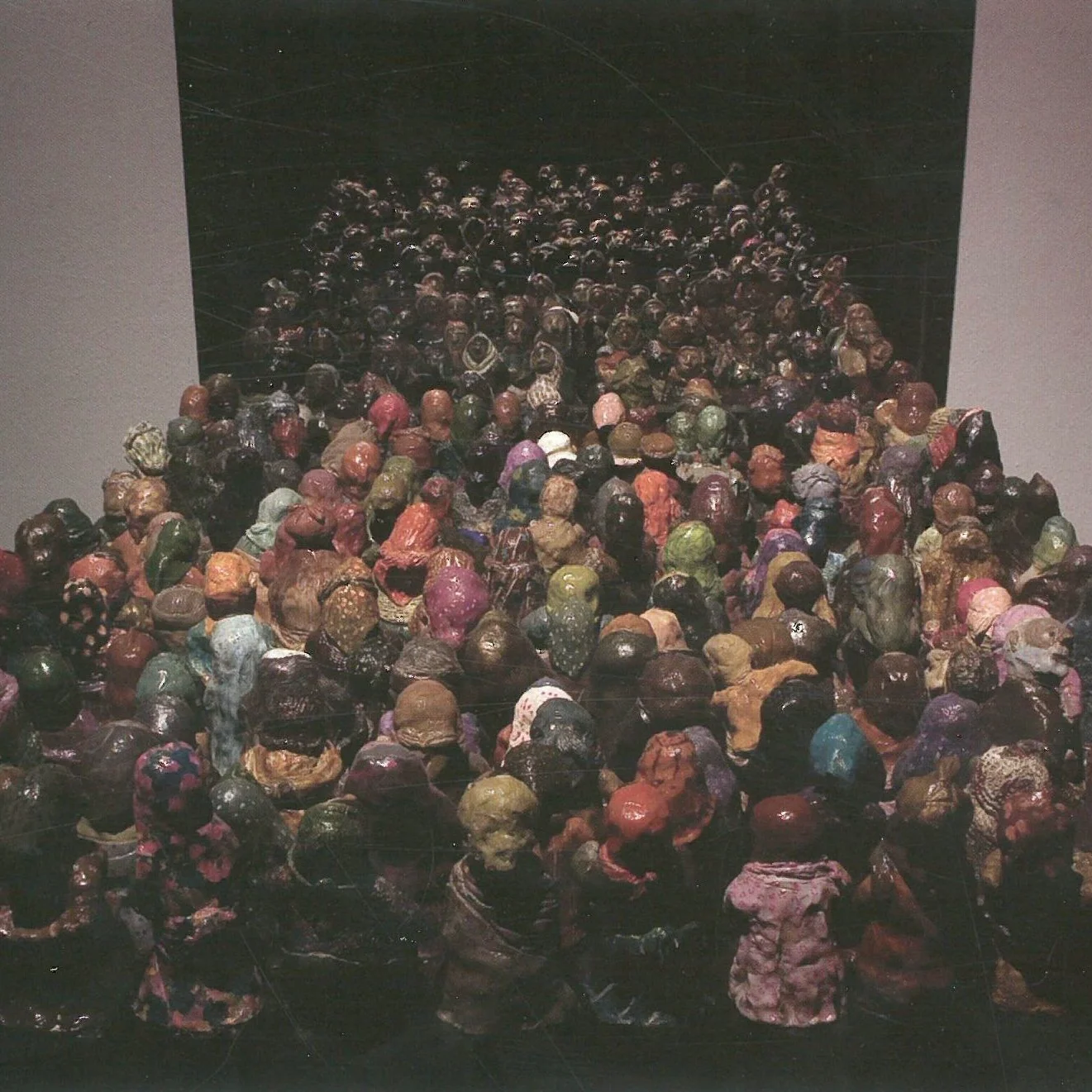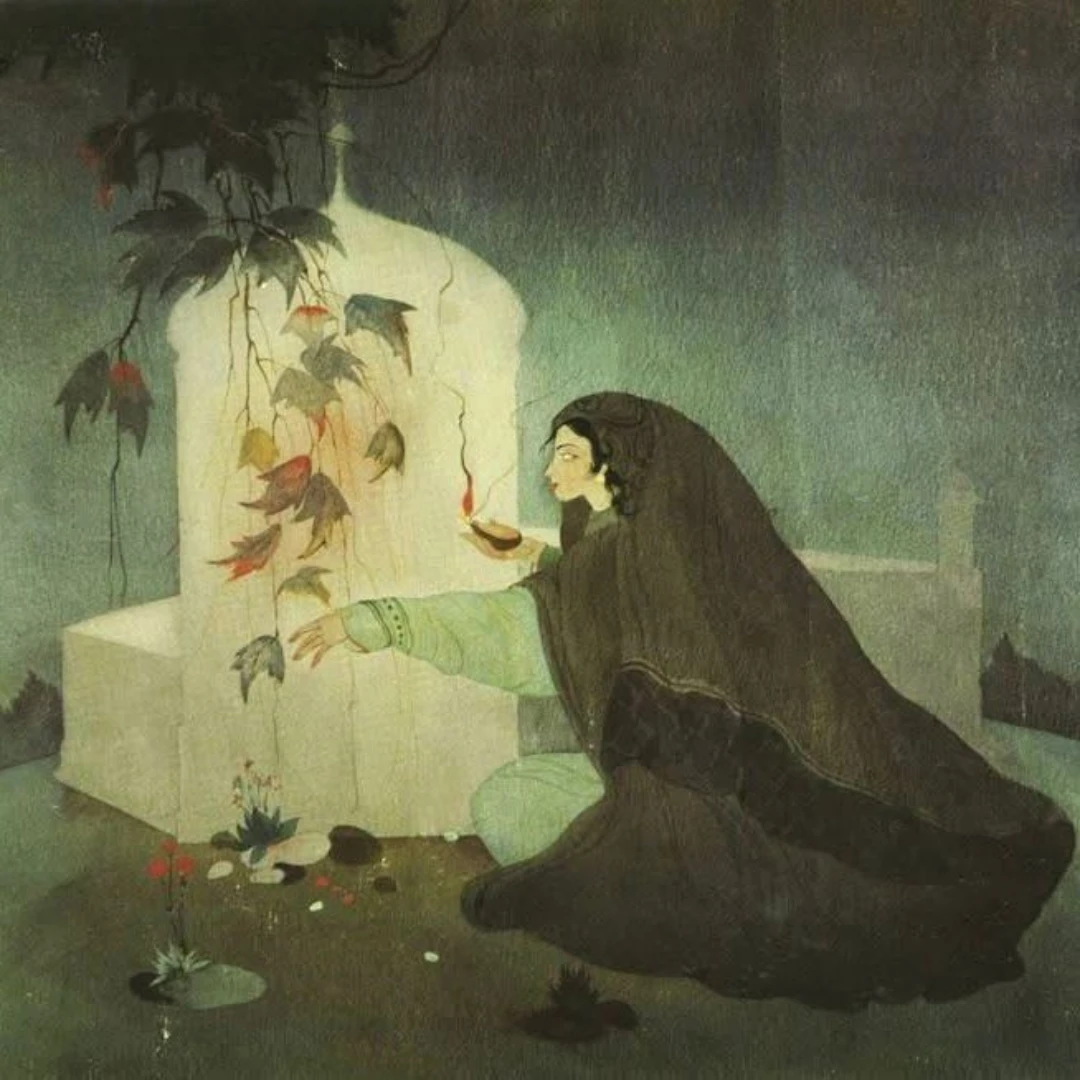
It is no great exaggeration to say that being a woman in this world is very often a horror show—one does not have to look far to recognize the many terrors lurking for women in spaces both intimate and public. As such, the horror genre can be uniquely suited to exploring the experience of being a woman. This fact was recognized by at least two Urdu writers of the 20th century: Hijab Imtiaz Ali (1908-1999) and Mrs. Abdul Qadir (1898-1976). Both writers mobilized the horror genre and its attendant emotions of fear, suspense, and terror to explore questions of women’s subjectivity, their relationship to the space of the domestic, and their place in the larger changing world. Their horror stories, though very distinct in style from one another, articulated the anxieties and desires of a Muslim woman in 20th century South Asia, grappling with terrors both mundane and monstrous—terrors that remain largely present today.
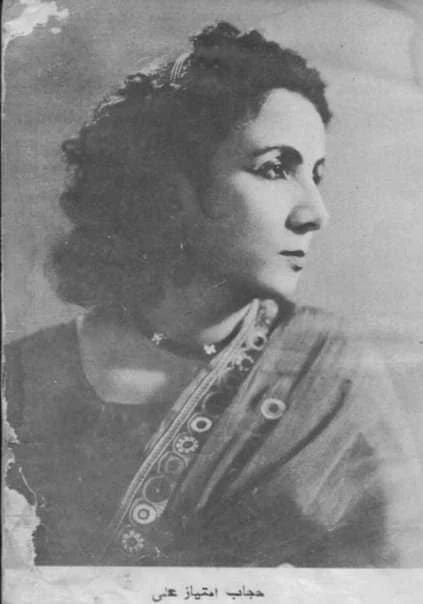
Take, for instance, Hijab Imtiaz Ali’s short story “Lāsh,” (1933), in which the narrator Ruhi, a free-spirited young woman, who is a poet and writer, and who loves to travel to strange and foreign places (this same narrator recurs across almost all of Ali’s oeuvre of short stories and novels) recounts being stalked by an old man around the streets of the fictional city of Flober—a man who looks at her with a piercing, sad gaze and carries with him a mysterious wooden box. Ruhi describes her embodied emotions of dread, fear, and terror at this experience. She says, ““I cannot say what effect his gaze had on me but I was overcome with a condition of madness, I began to feel a certain kind of terror” (Maiñ kah nahīñ saktī kih us kī naz̤aroñ meñ kyā tāṡīr pinhāñ thī kih mujh par ek dīvānagī kī sī kaifiyat t̤ārī ho gaī, vaḥshat maḥsūs hone lagī). This evocation of Ruhi’s fear instills in the reader a similar sense of impending doom that ratchets up over the course of the story, even as Ruhi, feeling sorry for him, invites him to stay in her house for a few days despite her misgivings. At the climax of the story, the old man reveals that the box in fact contains a corpse—he explains that during his travels, he fell in love with a beautiful girl who rejected him for another man whom she loved. Upon failing to persuade her to choose him instead, he murdered her in a fit of rage and now carries around her corpse in an act of penance. He confesses that he had been stalking Ruhi because she looked exactly the same as his beloved and makes a deranged declaration of love, which is met with horror. Ali’s story articulates the idea that desire and violence are often both sides of the same coin for women. Parallel to the main action, Ruhi is dealing with her own romantic entanglements—her lover, General Harley, expresses jealousy and suspicion over her kindness to the old man and wants her to finally commit to a marriage with him, something Ruhi has resisted for quite some time.
Upon failing to persuade her to choose him instead, he murdered her in a fit of rage and now carries around her corpse in an act of penance. Ali’s story articulates the idea that desire and violence are often both sides of the same coin for women.
It is interesting that both the old man and Ruhi’s lover describe their respective feelings of passionate love using similar terms of love as madness (ʿishq meñ dīvāngī) and jealousy toward the beloved’s other admirers (raqīb). Both the villain and the love interest here exhibit uncontrollable and violent emotions, articulating a specific kind of masculinity that is an object of both desire and fear for the female protagonist—and, by extension, the female reader. The old man’s gaze proves to be the source of a violent kind of desire, one that has already made another woman its victim. The fear of being observed and surveilled is one that ashraf (elite Muslim) women like Ruhi would have been intimately familiar with, given that the code of respectability for such women was often based on being contained, both spatially and visually, behind the pardah or inside the zanānah.
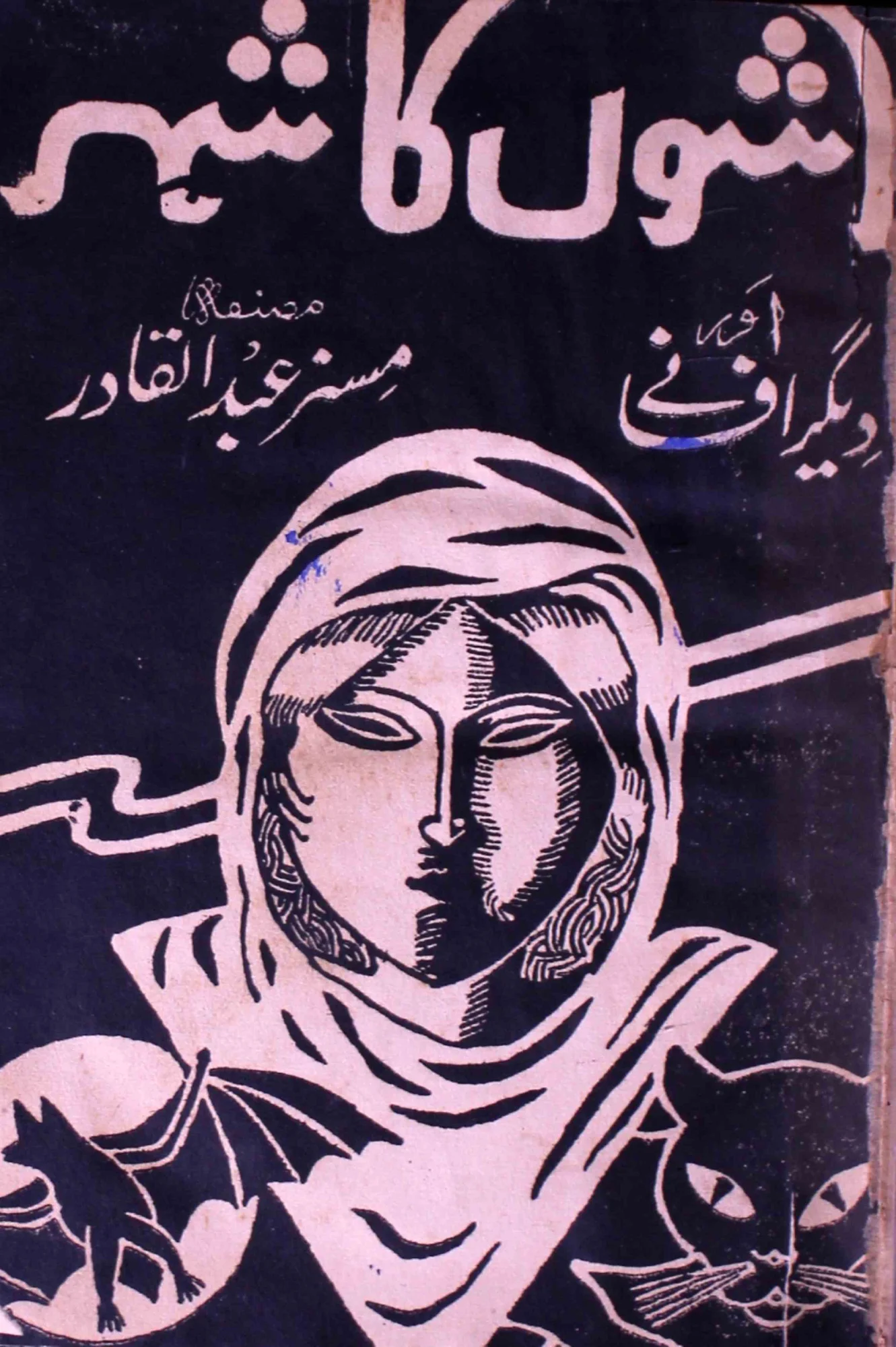
Mrs. Abdul Qadir’s story “Rākshas” (1939) is similarly concerned with the possibility of masculine violence that hovers over a woman’s life from a very young age. The narrator is Zarinah, a young girl who, along with her friend Kamla, accidentally stumbles upon an abandoned well in the ruins of the old haveli in which Zarinah lives with her much older brother. The well is covered up by a stone slab which has mysterious writing on it in Sanskrit. Soon after, Kamla is married off to someone who mysteriously dies on the night of the wedding. A few years later, Zarinah’s betrothed is also mysteriously murdered on the eve of their wedding. Before each incident, Kamla and Zarinah both have a strange dream in which a mysterious figure is handing them a piece of paper with the same kind of scribbles as the stone slab. At the climax of the story, Zarīnah’s brother reveals that he has been investigating the writings on the slab with a German professor of Sanskrit at Aligarh. The writings tell the story of an evil rākshas called Barlas who lived in the area thousands of years ago, who had a penchant for sexual violence: He “was cruel, and in addition to looting the nearby village, would also ravaged beautiful women of the area” (Ye bara zālim tha, lūt mār ke ʿilāvah hasīn auratoñ par bhī hāth sāf kiyā kartā thā). Once, a beautiful woman who was a disciple of the Hindu god Shiv, caught Barlās’s eye and he started to make sexual overtures towards her. The woman asked Shiv for protection, and Shiv captured Barlas and imprisoned him inside the well, with a stone slab that warns against anyone letting Barlas out. It was this same rākshas that had taken a liking to Kamla and Zarinah, escaped his captivity, and killed their prospective husbands. In this story as well, the female fear of male violence is embodied in the figure of the rākshas, a specter that haunts a woman’s marriage or romantic relationship. In addition, the story takes place within the walls of the narrator’s home, transforming the space of the home from one of safety and security to one of uncanny events and hidden dangers.
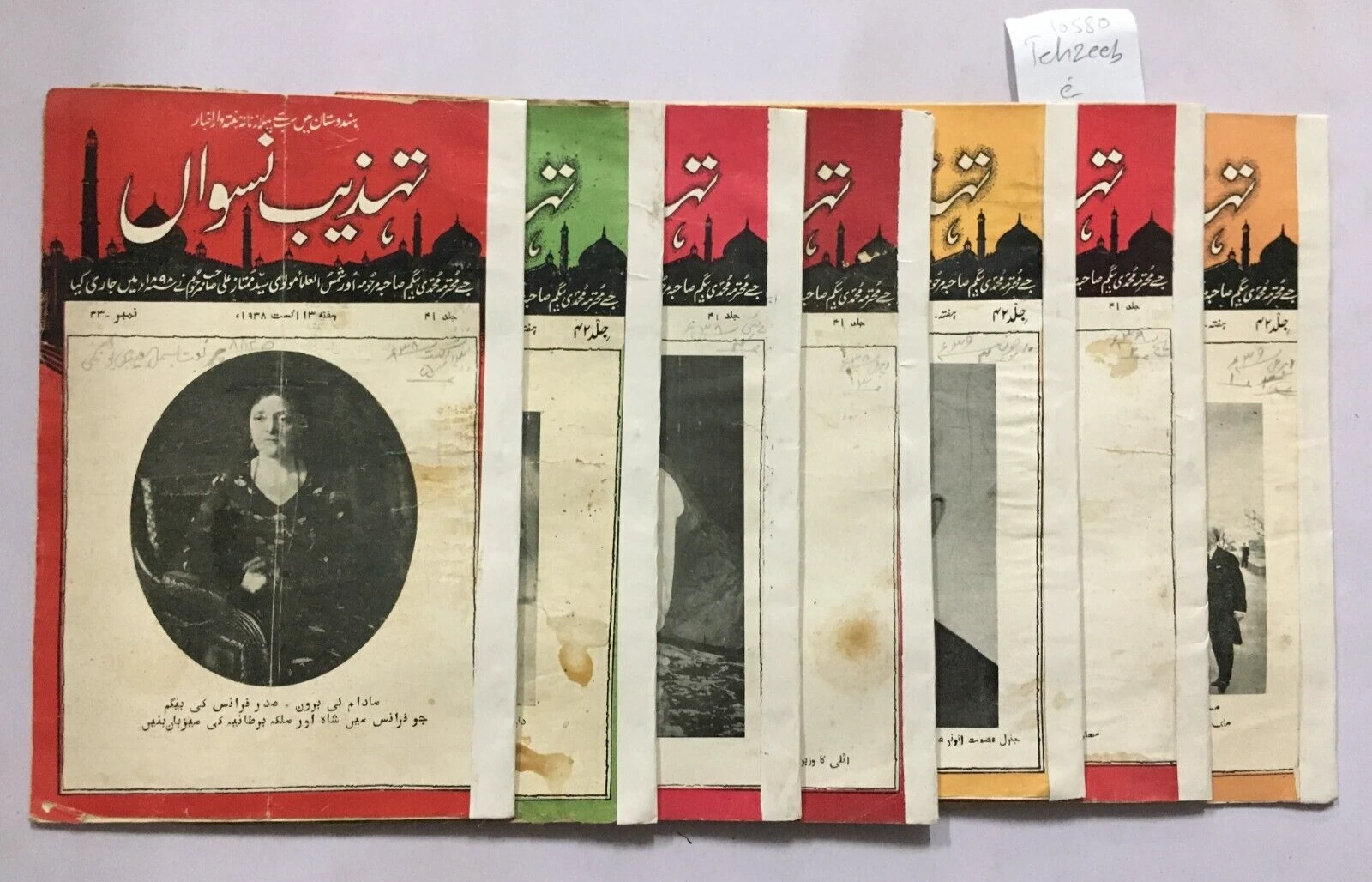
Beginning their writing careers in the late 1920s and early ’30s, both Ali and Qadir each wrote several collections of horror short stories and novels, and in the case of Ali, works of nonfiction and modernist, experimental essays, romance, and dystopian science fiction. Both continued to write across the decades well into the ’70s. Hijab Imtiaz Ali made her way into Lahore’s thriving literary scene from Chennai, where she grew up and lived until her marriage. Born Hijab Ismail, she grew up witnessing her mother and aunt write regularly for one of the first and most prominent women’s magazines, Tehzīb-e-Nīswān, founded and edited by the literary couple Syed Mumtaz Ali and Muhammadi Begum, because of which both families had close intellectual and social ties. Hijab, too, began her career writing for various Urdu literary magazines. Eventually, Hijab married Muhammadi Begum’s son, Syed Imtiaz Ali Taj, who inherited the editorship of the magazine from his parents, and moved to Lahore. Now known as Hijab Imtiaz Ali, she wrote for and helped edit Tehzīb-e-Nīswān, alongside her own separate literary career, publishing in the Urdu literary magazines Nuqush, Adab-e-Latīf, and Sāqī.
Mrs. Abdul Qadir, or Zainab, was born in 1898 into a religious and scholarly family in Jhelum, Punjab. At home, Zainab received a religious education, as well as a literary one in Urdu and Persian by two female tutors, but this was cut short when she was married to Abdul Qadir, a government employee, when she was fourteen. After having five children and becoming widowed at an early age, Mrs. Abdul Qadir moved to Lahore, where she began frequenting a diverse range of intellectual, religious, and literary circles, made possible by proxy of her oldest son, Sirajuddin Zafar, himself a poet. Qadir’s stories were published in well-respected literary magazines such as Adab-e-Latīf and Nūqūsh, and her short story collections had several print runs, indicating her popularity.
Both Ali and Qadir had distinct styles and thematic interests in their fiction. Ali was a lifelong adherent of Freudian psychoanalysis, and her horror fiction turns its gaze inwards into the mysteries of the human psyche, exploring distinctions between the rational and the irrational, between reason and madness, between hauntings of the supernatural kind and those of a psychological kind. On the other hand, Qadir explored the tangled physical and metaphysical realms of ecology, and haunted landscapes. Her fiction also regularly evoked a South Asian milieu in which Hindu, Buddhist, and Jain religious practices and mythologies interacted with Islamic ones. Even their attitudes towards issues of gender and sexuality, domesticity, and women’s emancipation, were different from one another. In Qadir’s stories, the gender roles into which colonial Indian women were socialized—most prominently that of wife and mother—are the most potent sources of terror and fear, roles that are both familiar and yet colored with potentially horrifying unknowns. Meanwhile, Ali’s fiction is filtered through the experiences of Ruhi, a woman who is given an uncommon amount of agency in choosing her romantic partners, and an unusual amount of mobility around the world, which evokes feelings of awe, curiosity, and wonder which exist alongside the horror and anxieties of the ever present possibility of patriarchal violence.
There is the underlying idea, in much of these writers’ horror fiction, that monstrosity can offer refuge for women.
But even as each writer used the horror genre to explore the fears that women grapple with, Ali and Qadir’s horror fiction also offers the pleasure of imagining other possibilities for women that defied expected norms, such as traveling and encountering unfamiliar and new places and people, and choosing lives that looked different. In “Lāsh,” when Ruhi’s lover tries to convince her to leave her traveling days behind after he finds out about her stalker, she laughs him off, saying it would be stupid to exchange a life of travel and adventure for an uninteresting and joyless existence as a wife: “You truly are mad. Do you really think I will get scared off by such everyday difficulties and temporary inconveniences? That I will say goodbye to this life of a traveler, a life full of pleasure, freedom, and soulfulness, and instead get caught up in the chains of married life, a life devoid of poetry and joy?” (Tum bare pāgal ādmi ho. Kyā tum samajhte ho ke maiñ in ārzi masaeb aur hungāmī takālīf se ghabra jaungi? Sayahat kī pur-kef, azād, aur ruhānī zindagī ko kherbād keh kar hayāt-e-azdawāj ki ghair-shaerāna aur be-lutf zanjeeron main phans jaungī?). Qadir, too, despite having more conservative ideas of gender roles, depicted her female characters with plenty of agency, such as the single woman at the center of her story “Shagūfa,” who lives by herself in a ramshackle home in the Kashmir valley, embracing the label of daen or witch that the locals have given her, embroiled in her own arc of forbidden knowledge, biological experiments, and reanimated corpses. There is the underlying idea, in much of these writers’ horror fiction, that monstrosity can offer refuge for women. When, in Qadir’s story “Padāish-e-Amal,” two women ask directions to some haunted, abandoned ruins near the Rohtas Fort in Jhelum and they are warned that the ruins are home to churails (“woh tou churailoñ ka maskan kahā jātā hai”), one of the women retorts, “And what will witches do to us? We have between us a bond of sisterhood,” (churailaiñ hum se kyā kahengī, un se tou humārā behnāpa hai), articulating a statement of solidarity amongst women, monsters, and witches that serves as potent resistance against the terrors and violences that living under patriarchy involve.
Nudrat Kamal is a PhD candidate of Comparative Literature at the University of Pennsylvania. Previously, she taught comparative literature and writing in Karachi. Her research and teaching focuses on South Asian literatures in Urdu, Hindi and English, particularly in the intersections of literary and print history, science fiction studies, gender and sexuality studies, and environmental humanities. Her writings on literature, film and television, and culture have been published in Dawn, The Express Tribune, and Newsline.