When the Iran-U.S. talks began in Islamabad, the first thing I did was to text a journalist friend covering the negotiations to ask what was on the menu. I wasn't the only one curious about the food — the images of the buffet in the media centre and the coffee (replete with themed cups) at the convention centre were beamed around the world.
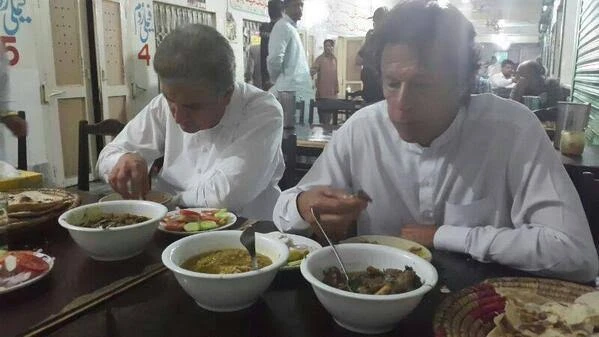
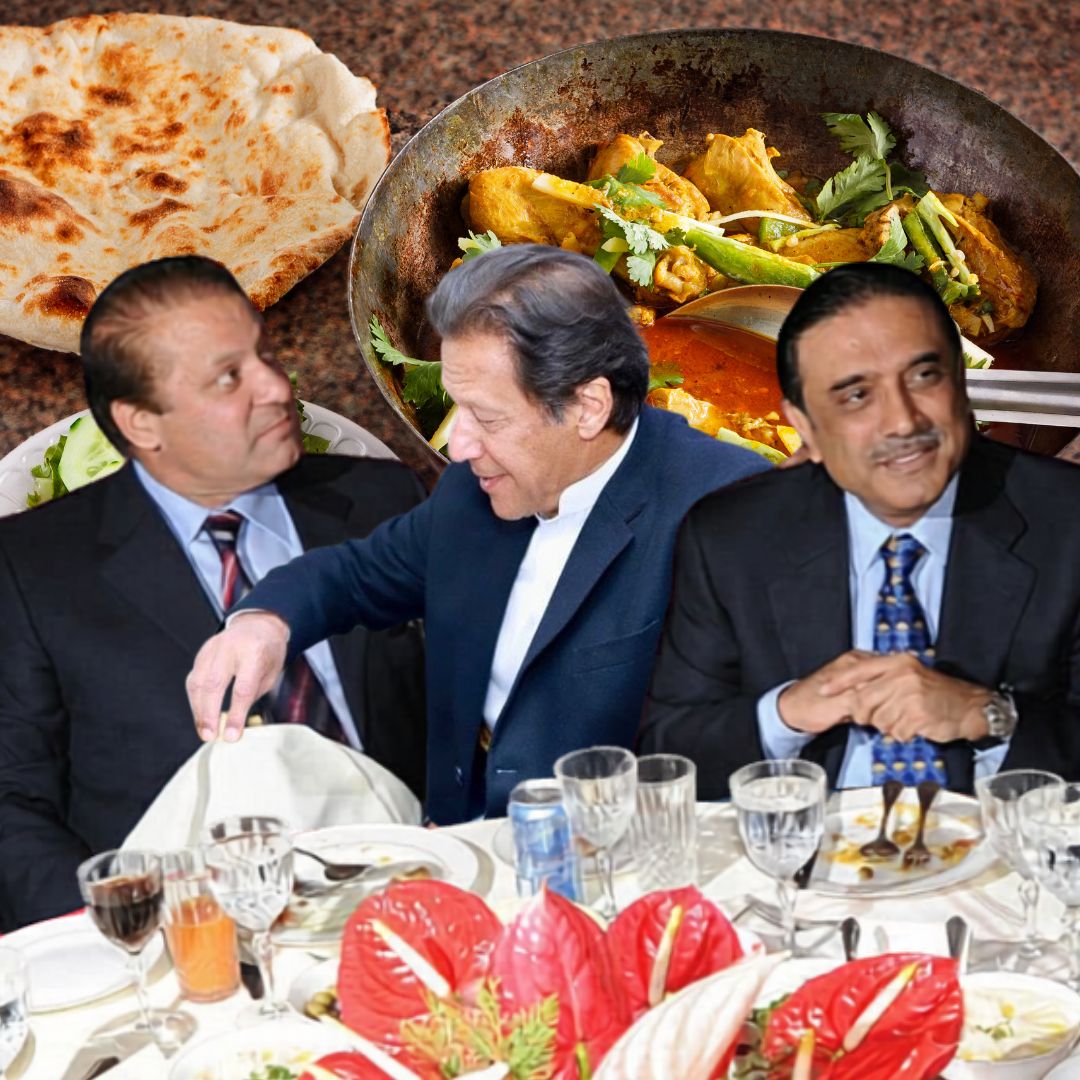
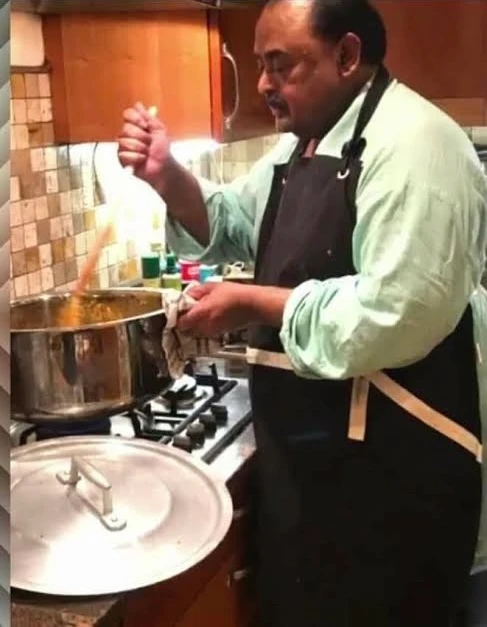
We like the idea of what people in power eat. In fact, the relationship between people in power and food is an integral part of our political history, and central to the way the media covers politics. Culinary moments that stand out are Benazir Bhutto, living in exile abroad during the 2000s, talking about cooking chilli con carne, the many images of Altaf Hussain cooking for his guests in London, and of course footage of Imran Khan, during the years of protests, eating at roadside restaurants (and conversely, the persistent rumours that he was a notoriously bad host who would not share his meals). Of course, no one has symbolised food in politics more than the ruling Sharif family, because of whom we somehow have qeemay walay naan in our online political lexicon. Politicians have been followed into cafes abroad by protestors (though that possibly has little to do with food than with the ability to find them in a public space, as opposed to the heavily guarded enclaves where politicians normally exist). Pakistan has politics-adjacent people who run restaurants (Hina Rabbani Khar with the posh Pantry and The Boulangerie in Lahore), and politicians who constituents can find eating out at restaurants (Kohsar Market in the 2000s), and politicians who have to attend weddings of power-brokers, replete with staggering wedding buffets, to stay in power.
We look at the way politicians dine from afar – at their meals, their kitchens, their extravagance, their customs – with the remove of anthropologists studying a mysterious civilisation.
It’s hardly surprising that we know so much about politicians and their culinary habits. But what I find more interesting is what these anecdotes and visuals say about how we engage with politics. When it comes to power, food doesn’t give us a degree of proximity, a sense of ‘politicians, they’re just like us!’ The cliches about food being a common language or fostering a sense of community or bringing us all together go out the window when it comes to politics. The idea that your local MNA or MPA patronises the same bakery as your family, or that you may run into them while picking up your order of kebab rolls, or that their household conversations might include the dreaded ‘what should we cook tomorrow’ discussion seem preposterous.
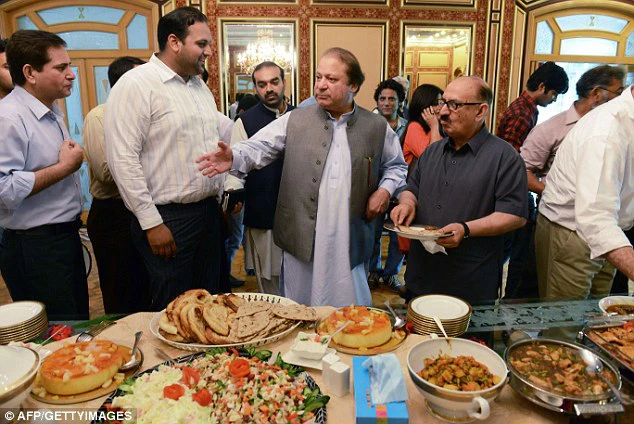
Despite these anecdotes from and about politicians, it is incomprehensible to imagine Benazir wondering if she might have added too much oregano to a dish, or Altaf Hussain wondering about how his haleem might turn out. This is unlike politicians in other parts of the world for whom food is central to civic infrastructure and governance (see: New York City mayor Zohran Mamdani). If anything, we look at the way politicians dine from afar – at their meals, their kitchens, their extravagance, their customs – with the remove of anthropologists studying a mysterious civilisation. Food — and the abundance of it in political life — makes our stomachs turn: think of the time the KP government issued a tender for a dinner for the Ruet-e-Hilal committee for 200 people, with dishes ranging from dumpukht with rice to seekh kebab and the great old stalwart Russian salad. Or the somehow ubiquitous images of politicians’ children’s weddings, the extravagance that would (or should) shame even the most devoted of courtiers.
Culinary moments that stand out are Benazir Bhutto, living in exile abroad during the 2000s, talking about cooking chilli con carne, the many images of Altaf Hussain cooking for his guests in London, and of course footage of Imran Khan, during the years of protests, eating at roadside restaurants (and conversely, the persistent rumours that he was a notoriously bad host who would not share his meals).
There have been many cringeworthy comparisons of the Iran-US peace negotiations in Islamabad to a mehndi, and the usual platitudes about hospitality in Pakistan have been passed around with smugness. At least from the outside, at first it seemed like all this abundance was to show what people in power like to call a “positive image” of Pakistan. The buffet for journalists, the special coffee cups, were all designed to show an image of the country that doesn’t quite exist, but serves to cement the idea of superiority in this moment: a diplomatic coup (in a country where civil servants or politicians seem to have little power or backbone), and a country that values journalism and journalists and fosters an environment for them to work (ha!).
But perhaps our curiosity about the food at the talks speaks not to a culture of hospitality, but to a sense of anxiety, the kind of last-minute nerves that hosts experience: Is there enough food? Is everyone getting on? Is that one barb going to make this whole evening fall apart? The stakes, here, however, are not a successful Eid lunch, but an end to a brutal war that has killed thousands, and the risk that at any given moment, a genocidal state can instigate a campaign of cruelty in the region. But perhaps, facing the eventual annihilation of the world, all we can focus on is the menu, the one thing that seems translatable, under control. If that too falls apart, what else is there to do? One might as well eat. That, I think, might be a more relatable thought than anything a politician might serve up.

Saba Imtiaz is currently writing the world’s most unrealistic romance.