Poetry is what we call seeing the ordinary as extraordinary” — these words by Dr Arfa Sayeda Zehra preface Umer Riaz’s turbulent revisiting of Zia Mohyeddin’s life. The film, structured in chapters, is not a historical retelling nor is it an inventory of Zia’s many achievements. In fact, in a similar fashion to Dr Zehra’s definition of poetry, it is an extraordinary tale of the very human experience of chasing an ever-elusive mirage of contentment.
Serving as an omnipresent narrator, weaving together the threads of Zia’s tethered memories, Dr Zehra tells us of the ghazal’s ‘lover’ and ‘beloved’ — always an atypical love story where the seeker remains disarmingly loyal to a person or idea forever beyond his reach. In ‘The Colour of My Heart’ we see Zia’s life unfold like a ghazal; our tragic hero centre-stage, recounting his triumphs and losses, a voyeur of his own lived experiences, still infallibly searching for his ‘beloved’.
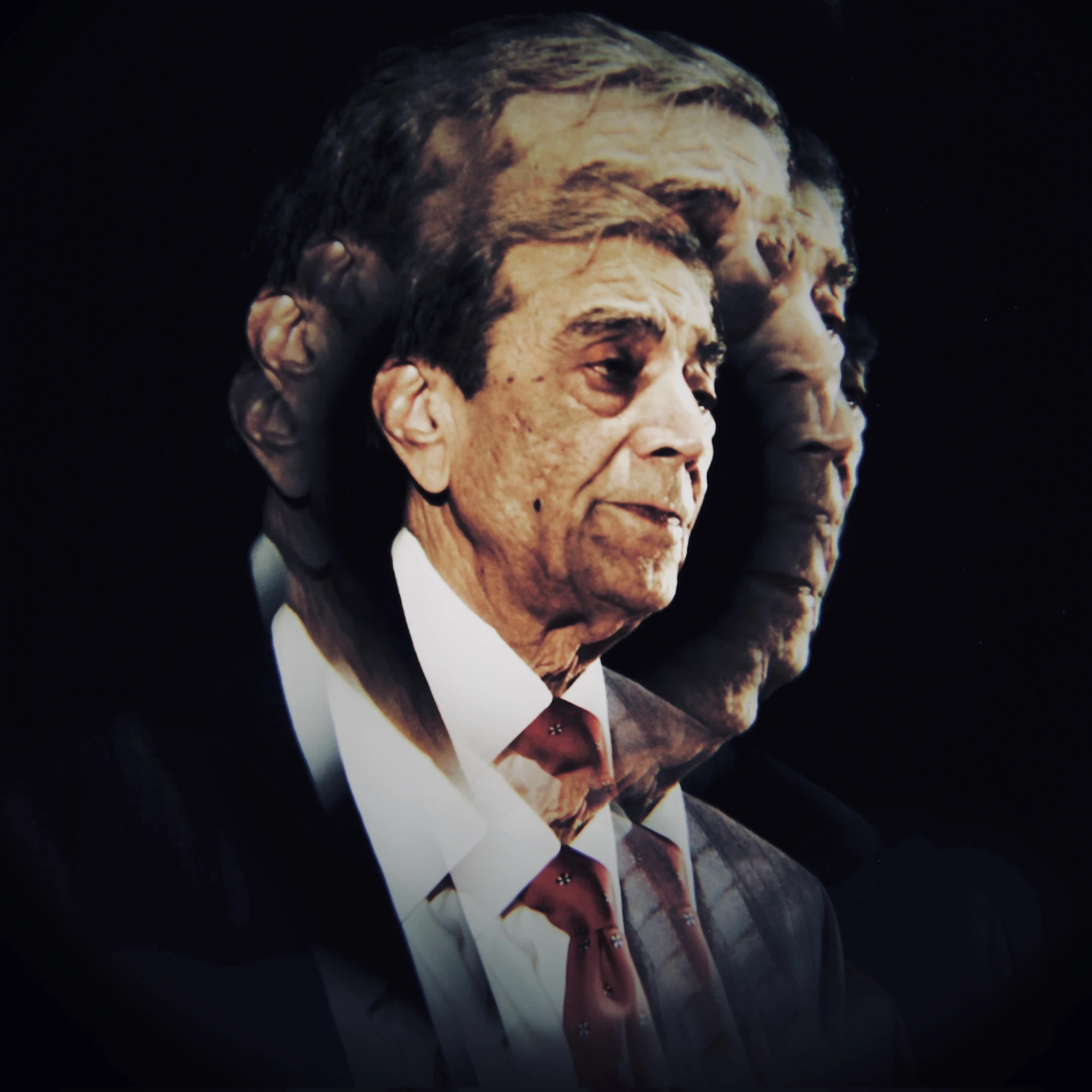
The first chapter of the film retraces Zia’s adolescent years, his graduation from RADA, his success on the West End, his discovery by David Lean, his role in Lawrence of Arabia and his eventual return to Pakistan with The Zia Mohyeddin Show, which, in his own words, was “the poor man’s David Frost Show.” While this barely scratches the surface, it is almost the full extent of the film’s engagement with his public achievements. Even then, its focus lies less on the milestones themselves than on the inner life and turmoil of the renowned but ailing actor, 84 at the time, seated in a dark room and watching his younger self projected before him.
As the projector flickers through all his past lives, we see Zia react almost viscerally to his younger self.
The artist recalls an archway from his childhood that was considered too dangerous for children to approach. When he finally climbed the mehrab, it stirred in him a complex mix of triumph and fear, a sensation so overwhelming that it became one of the defining moments of his life. He tells us that he felt it only once again: when he first stepped onto the stage at the age of seventeen. This anecdote contextualises much of Zia’s professional successes and personal misgivings. In his own words, he wasn’t very present in his family life, which is hard to fathom for the average literarily inclined Pakistani, as his presence loomed larger than a citadel within the world of Urdu adab.
As the projector flickers through all his past lives, we see Zia react almost viscerally to his younger self. The hubris of adolescence, cinematically juxtaposed with the frailty and stillness of old age, creates an unsettling experience for the viewer, as Riaz almost pulls us out of the cinema and into the dark, dingy room beside the older Zia himself. The effect is almost a mise en abyme very rarely seen in Pakistani cinema.
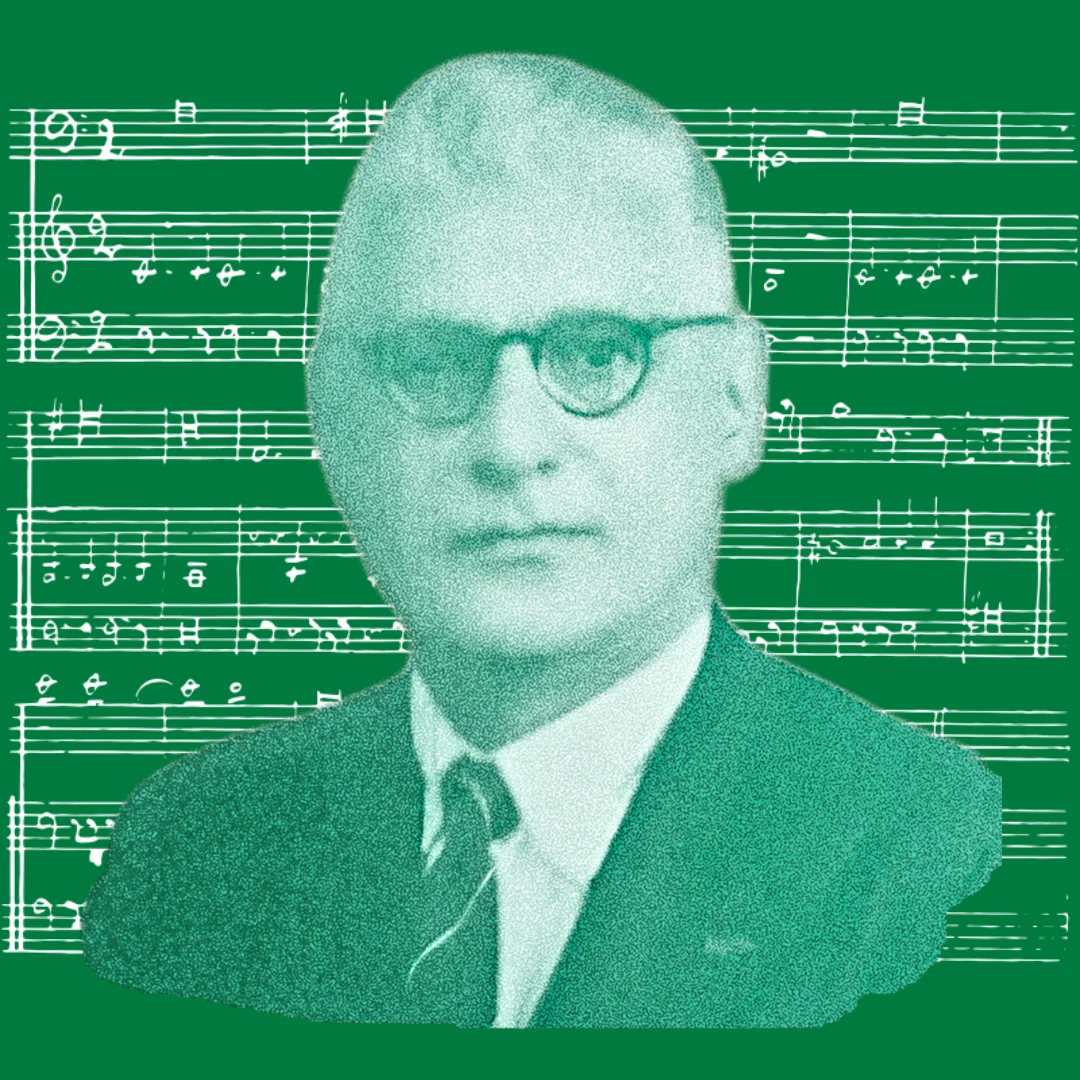
The second part of the film delves deeper into Zia’s contributions to reviving the Urdu language through his ‘Zia Mohyeddin Readings’, while also bringing into focus a central figure in both his life and Pakistan’s history: Faiz Ahmed Faiz. Starting in 1986, and continuing on till 2023, on the 31st of December, Zia accompanied by Nafees Ahmad and his sitar, would take to the stage at Ali Auditorium in Lahore and read from the works of his contemporaries and predecessors. Calling himself an ‘interpreter’ of other people’s works, Zia considered this to be his most important role. His masterful oration, his command of inflection and his measured cadence, set to the strains of sitar, take the audience back to what Dr Zehra says at the beginning of the film: that life is experienced differently by those whose language has been grazed by Urdu.
Through ‘The Colour of My Heart’, we gain an intimate understanding of Faiz Ahmad Faiz as relayed by his daughters, Saleema and Muneeza Hashmi. The sisters tell us of his demure nature and mild temperament and how despite his own inclinations, his home remained an open and safe space for people from all ends of the political spectrum.
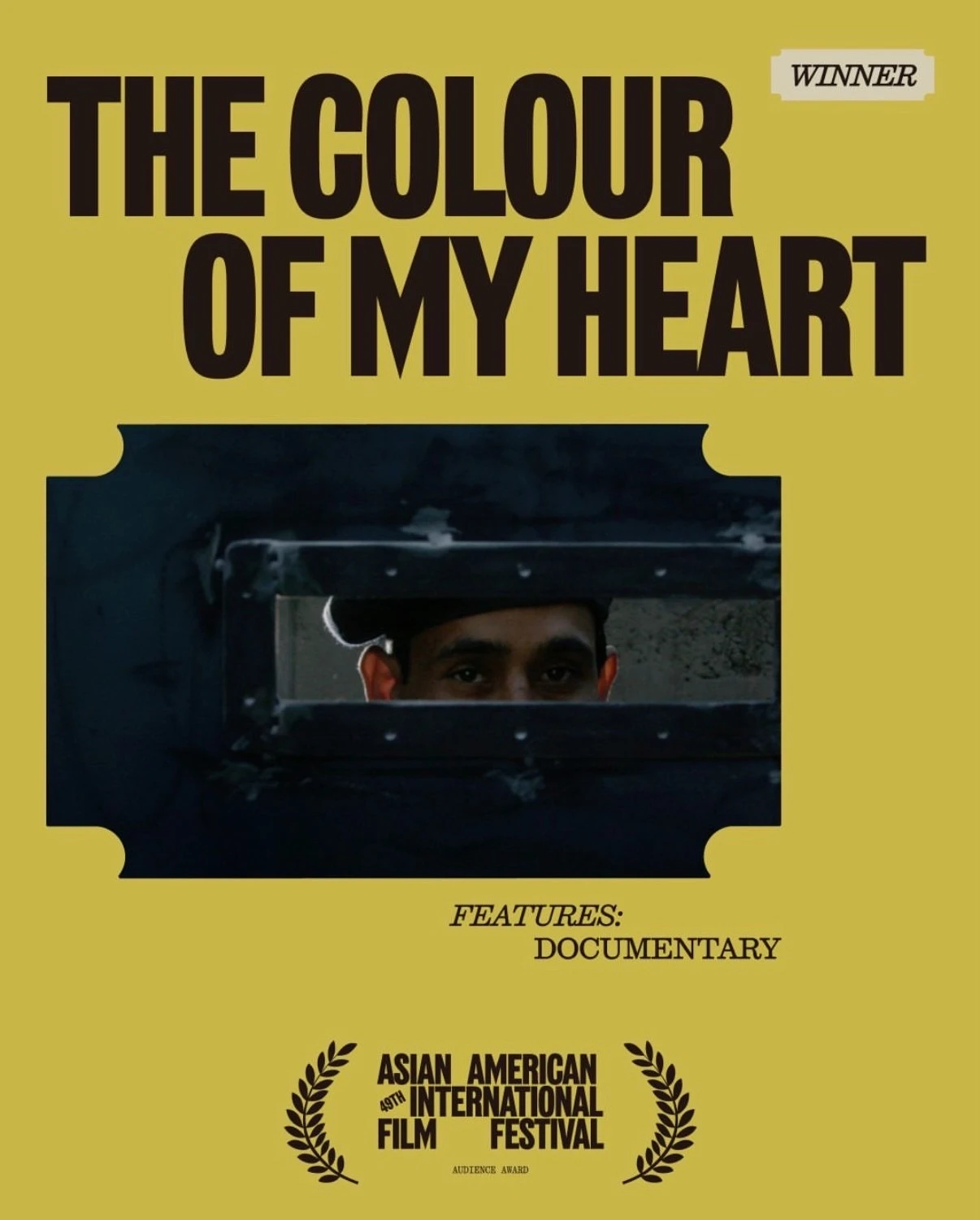
Anyone who has interacted with Faiz’s work even briefly knows that in his ghazal the ‘lover’ and the ‘beloved’ are not two people, but a country ‘talking to the broken leg of its own body’. His daughters describe Faiz’s love for his homeland as so profound that he found more contentment in a prison cell, stripped of human connection, than he did in exile in Lebanon.
To the untrained eye, 1947 may appear to mark the fulfilment of the promise of a free Pakistan, yet for both Faiz and Zia, the nation’s newly drawn borders held more turmoil than freedom. And that is reflected in the film as the musings of our protagonist are overlaid with footage of the wreckage left in the wake of terror attacks, strikes and general civil unrest that has stained each ‘new dawn’ in this country. In his own words, Zia found Karachi to be an extremely difficult city to live in, where something painful was happening every day; its euphoric pace consistently tainted with melancholy.
There is an uneasy sense of finality as the curtains close on this cinematic repository of Zia’s innermost thoughts and idiosyncrasies. Perhaps this is because all key figures featured in the film have now passed.
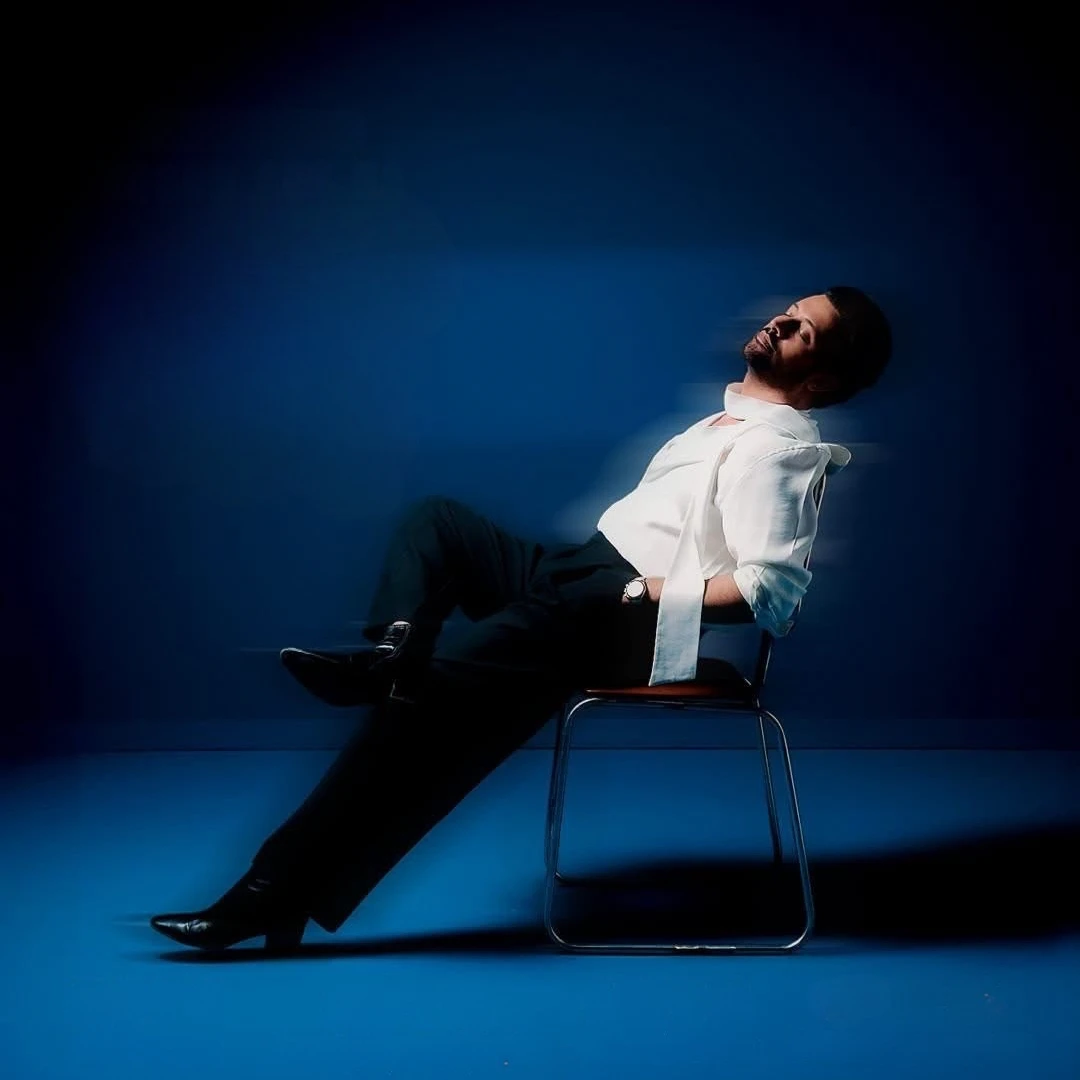
Despite all this, Faiz’s belief that the universe ensures the persistence of love rings truer than ever in the third and final part of the film. In the closing moments of this journey, the audience meets Professor Daud Rahbar, Zia’s cousin, and comes to understand the depth of Zia’s enduring love for him. A renowned essayist and scholar of Arabic, Persian and Urdu Literature and Indian classical music, Rahbar seems at the same time visibly irked and moderately intrigued to share his knowledge with us. He animatedly recalls the Bahr (rhythmic structure) of the ghazal form and emphasises that the vagueness of the ghazal is its central appeal.
There is an uneasy sense of finality as the curtains close on this cinematic repository of Zia’s innermost thoughts and idiosyncrasies. Perhaps this is because all key figures featured in the film have now passed. Or perhaps it is the sight of the lights turning on in a sparsely populated theatre, with only seven people in attendance, myself included. But there is something almost tangible and tragic about ‘The Colour of My Heart’. Much like its namesake, Faiz’s poem, the film encapsulates a longing for a time now passed: when the language of our country still shaped the experiences of its speakers.
In an age marked by censorship and cultural amnesia, this film stands as a necessary act of remembrance. Refusing to let sensationalism eclipse substance, it restores to public memory the artists, thinkers and histories that once shaped Pakistan’s cultural and intellectual life. It is more important than ever that we engage meaningfully with such work. So, whether you are a lover of literature or of Urdu, or simply a concerned citizen, this documentary is essential viewing. At its core, ‘The Colour of My Heart’ is a poignant reminder of how a return to ourselves — our language, our culture, our literature — is the only way forward:
‘So that everything might be once more what it is
The sky, the frontier of sight; the path, a path; the wine cup, a wine cup.’
.
Translations of Faiz Ahmad Faiz’s poetry as printed here are from:
Faiz, A.A. (2019) Colour of My Heart. Translated by C. Coppola. MULOSIGE.
Photos courtesy of Asna Pictures.

Misha Anwar is a writer and photographer whose work examines the intersections of identity, power and memory. She writes from Pakistan.