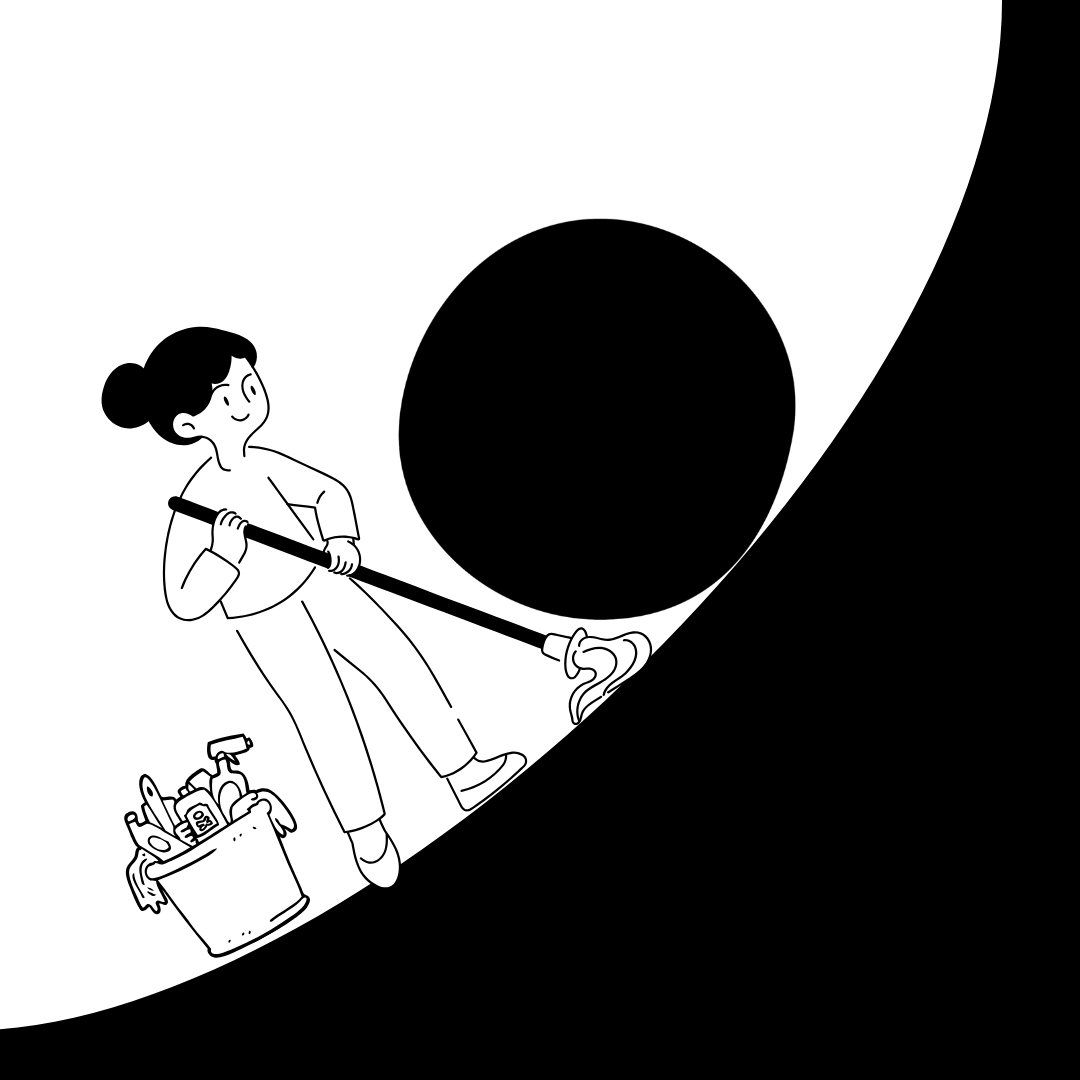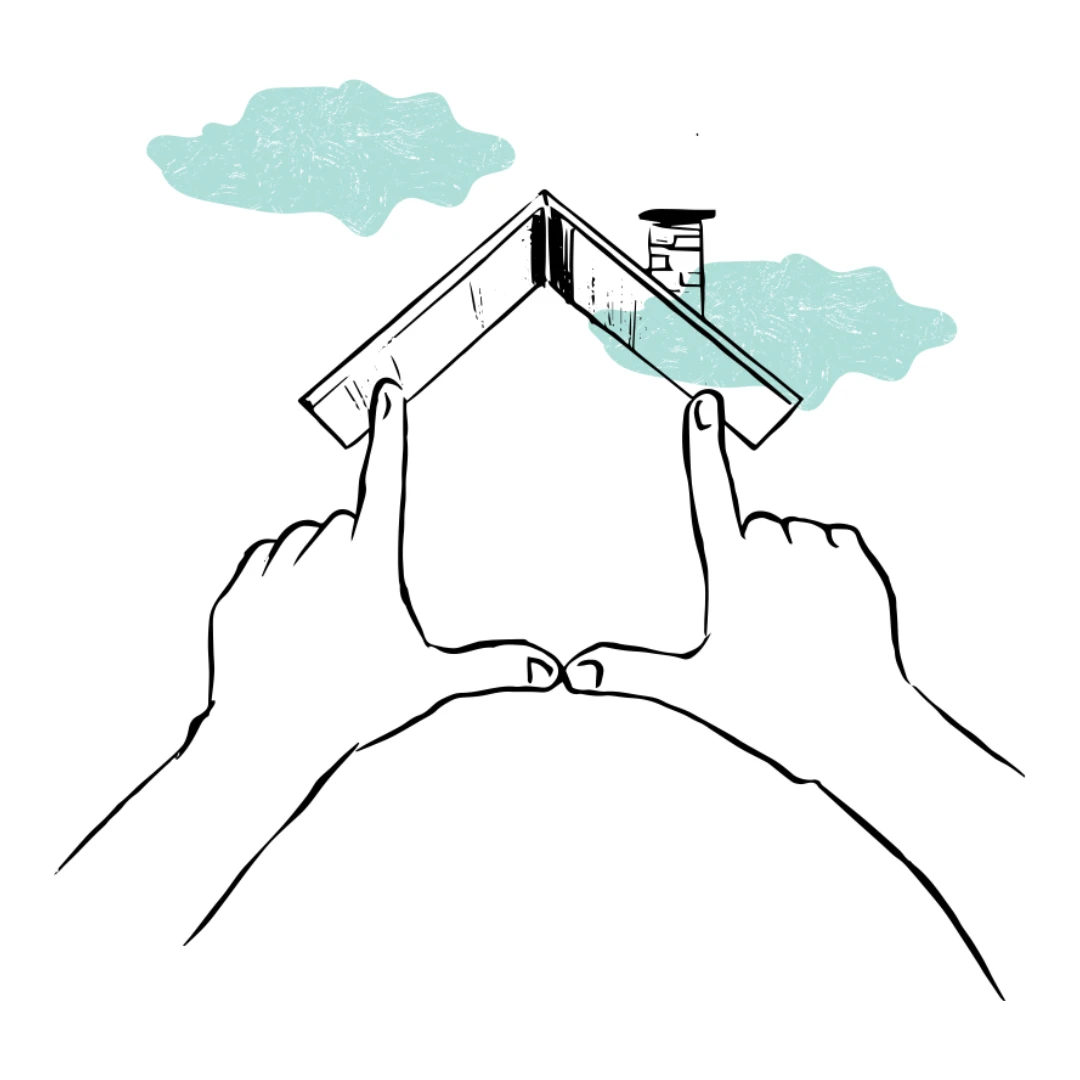
My six-month-old nightmare had a roof installed on top of it a few weeks ago. The nightmare in question is a house that my parents decided to build with their entire life’s savings, and which they entrusted to me to supervise.
Construction is a bigger deal in Pakistan than anyone can imagine. There are armies of people involved, and dozens of industries devoted to individual sections of the process. There is also a surprisingly large section of YouTube dedicated to house tours. When you start building a house, everyone will tell you what to buy, how big the windows should be in a sun-facing house, what colours are ‘in’ and how to deal with contractors. What no one will tell you is what will happen to you and your own family as you go through the process.
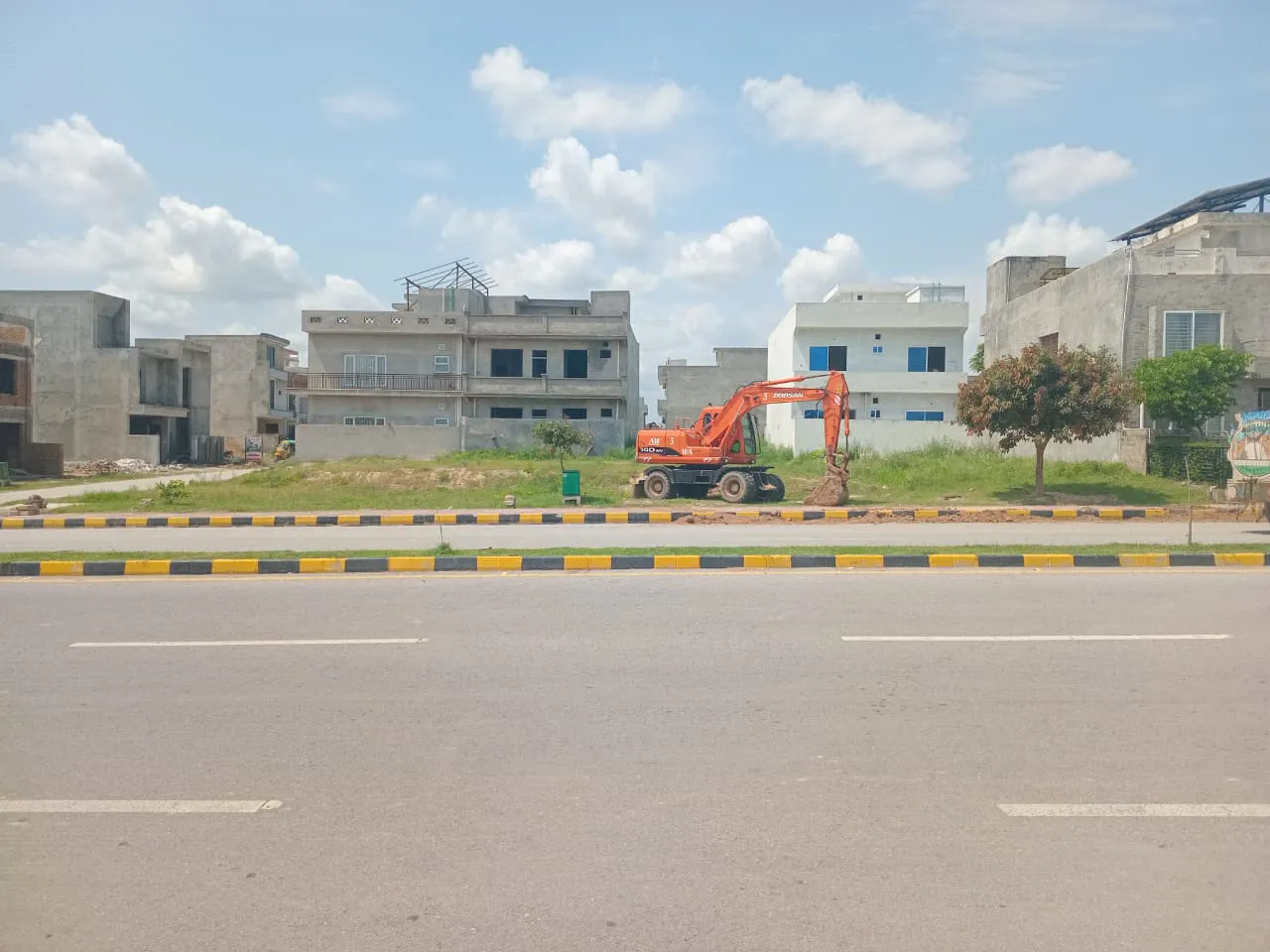
The great Urdu poet Bashir Badr, who passed away as I was writing this, once said, “log toot jatay hain aik ghar banany mai.” Saying people break is a bit dramatic, respectfully speaking. It’s more like being severely strained, because you never actually catch a break.
It is emblematic of an economy in shambles that by the time most people save enough to build a house, they are usually very old. Every man building a house that I’ve met in the last six months has had white hair. My father is in his sixties and my mother in her fifties as the structure nears completion. But old people building houses means another thing: that their sons must manage the whole thing.
As the third of four children but the eldest son, I was always told I would have to be responsible. I was told that answering the home landline and the front door would always be my responsibility. I was told that no woman in the house should carry a grocery bag (or anything heavy) as long as I was present. I was expected not to be scared while travelling solo on public transport by age 10 or 11. Basically everything inconvenient that involved getting out of the house or dealing with people from outside the house was assigned to me.
Now deep into adulthood, I feel I may have internalized the label of being a ‘responsible’ man a little too much, and it probably shows in me. A former editor told me I had a “professorish” way of walking. Friends throughout university told me I dressed and spoke a little too formally. And perhaps the most telling example is that when I was in the third grade, and the time came to find a serious (and skinny) looking kid who could be Quaid-e-Azam on stage for the school’s annual function, my teacher simply looked at me and smiled. I still have the cap I wore for the performance.
So I ran errands, answered the phone, and waited for bigger and bigger responsibilities (and feared one would eventually arrive that would get too big for my plate). I thought the big one would come when my father retired from his government job, a few months before my 25th birthday, and handed over all financial responsibilities to me. But being freshly unemployed at the time, I was barely able to fend for myself. Later, utility bills and then half a month’s groceries became my share, and despite being able to deal with it decently, it still didn’t feel like the responsible kid had met what he had spent a lifetime being prepared for.
Then, as I took a sabbatical from work just after my 30th birthday, my parents decided to build a house. Of course, the choice for project manager was automatic.
[W]hen I was in the third grade, and the time came to find a serious (and skinny) looking kid who could be Quaid-e-Azam on stage for the school’s annual function, my teacher simply looked at me and smiled.
My father once told me that government offices have two core principles. The first is that people go to the office to save their jobs, not to perform them (ham naukri karnay nahi, bachanay ke liye daftar jatay hain). The second was, everyone wants credit and authority, but no one wants responsibility. With that last bit in mind in particular, I think building houses should be classified as a government job.
Quickly, I realised that this was something important that no one in my family wanted to deal with in the minutiae. For the first time, there would be a task where the buck could potentially stop with me. But despite spending years waiting in the wings for something of this magnitude to be handed to me, ultimately I didn’t quite feel up to it when the time came.
The reason I did not want to do this is because I realised I simply don’t know much about what makes a house ‘good’. And that is simply because I’ve never looked at people’s houses closely enough. So if building a house is on your family’s horizons, my first tip is to make sure you visit as many houses as you can and develop some preferences. Remember the aunty and uncle who would come to visit your house and then take an unauthorized tour of the whole place with loud commentary. Sorry to break it to you, but they were not judgemental, just curious. Just like most things we considered ‘uncle things’ have been proven to be well-founded in recent times, this is another one. Curiosity about houses is important. Go to people’s houses and see and remember (and maybe comment on) what feels nice. Also take note of what parts don’t feel good, such as if a room isn’t properly ventilated, or if the staircase is too crammed (but don’t comment on the negative things, the ones living there already know, trust me).
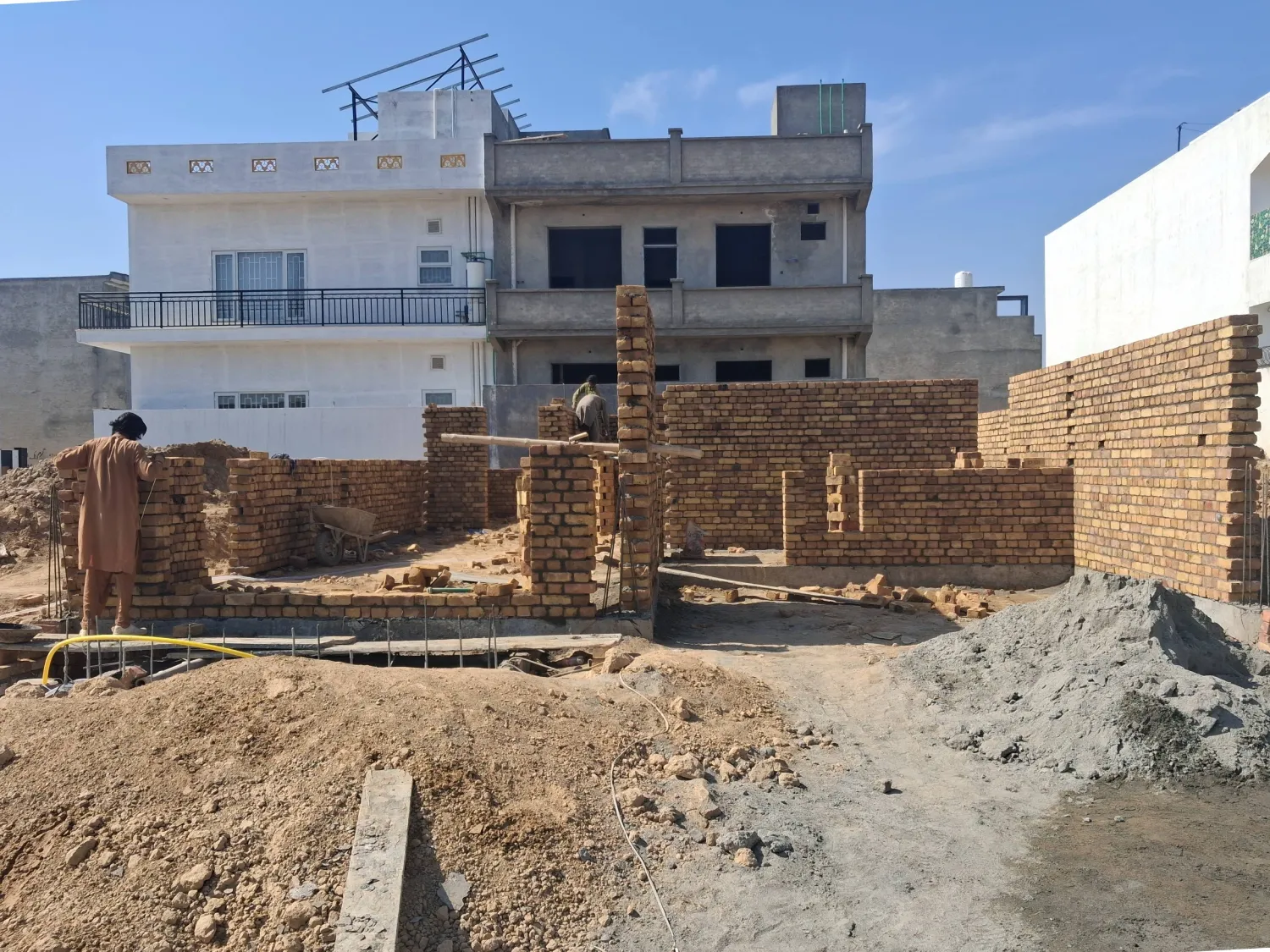
However, there were bigger and simpler reasons for my apprehensions. Arguments were growing louder whenever I suggested something should be done a certain way. Despite being entrusted to manage everything, I was regularly reminded I was still a child. Sometimes, I argued to get my way and afterwards, felt unsure of myself. I told a friend that I was afraid that something would go wrong and no matter whose decision it was, it would become my responsibility only. “Well, you should prepare yourself,” she said, “because that’s obviously going to happen.”
So my second tip is along the lines of what my friend told me. Be prepared to answer questions, often the same ones over and over again, especially if you’re the son managing things. Your mother will wake you up in her emergency voice in the morning, only to ask if the walls were watered yesterday or how many days the shuttering for the roof will stay in place – questions that did not really necessitate waking you up. Your father can demand a breakdown of finances in a tone that you think is accusatory now and then, but it is his money so you’ll have to answer. Your parents (especially your old man) will ‘suggest’ some changes and invite you to make a decision according to your judgement. You should not need telling that the suggestion was the decision, and if you didn’t acquiesce to it, don’t be surprised when it leads to an argument.
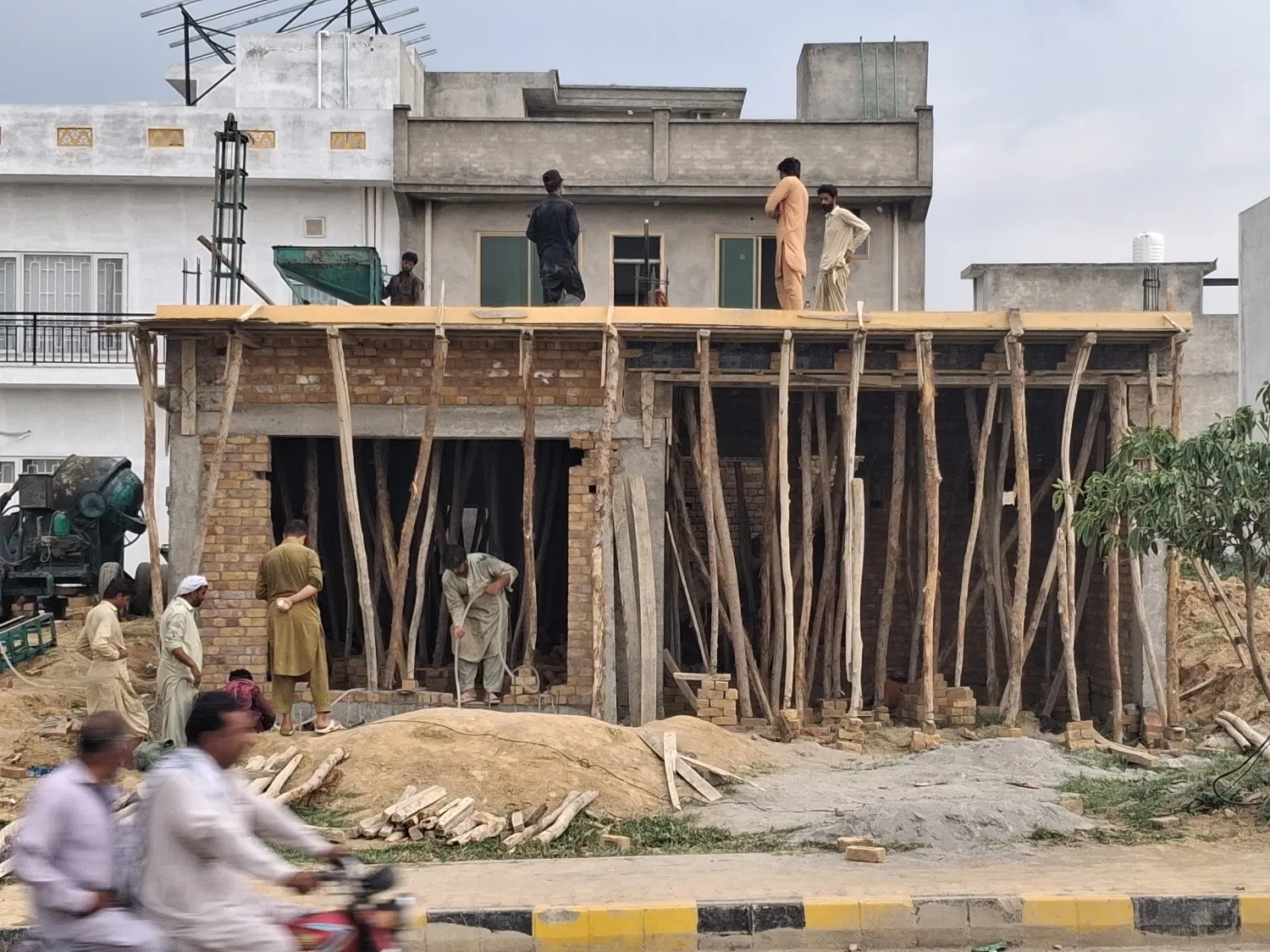
Which brings us to a supplementary point: there will be times where problems will be so obvious that you’ll have to put your foot down. So tip 2b is to hold your ground when it actually comes to an argument. You can explain to your sister that you don’t need her to sell any jewellery because finances have been planned. If you think white tiles in the washroom will make it look like a mosque’s wuzukhana, don’t be afraid to be explicit. If you think an open kitchen will make the funk of desi masala permeate throughout the house, go ahead and tell your mother you don’t want the sofas to permanently smell like biryani.
And speaking of putting your foot down when needed, my third tip is make sure you avoid the paradox of choice by making every one move on when something has been finalized. Choices in a house’s design and aesthetics are seemingly endless, and there are dozens of things you will like. But when you finally settle on something, keep your mother off Instagram, and your father off Facebook (while we’re at it, keep him off permanently if you can). Otherwise they’ll find something new and shiny, and realise the old one they ordered is not good enough anymore.
A few years ago, when three of her four children were doing well for themselves financially, we taught our mother to buy clothes online for herself. Now she’s a full blown Instagram user, sending us everything from Baghban reels to the next lawn collection. But when she told me about the floral tiles at the entrance and they were finalised, I thought it might be a good idea to keep her away from more inspiration. If you can’t keep her off the apps, another way is to tell her you need ideas for something new now. “The wall is done Ammi, I need you to find ideas for a door next.” That usually tends to work.
If you’re project manager by default, you will feel the urge to complain once in a while. But make sure you don’t bother people too much. Community is nice and you should talk about your problems but my fourth tip is to be conscious of not badgering your friends the same way your mother is doing to you. In one particular instance, after complaints to a friends’ WhatsApp group three days in a row about being ‘decision fatigued’ (a new word I’d learned and was guilty of over-using), a former classmate sent a meme that read: “Men suffer in silence. Then why am I always hearing about it?”
Being roasted to a crisp is one thing (the friend in question did call me to hear me out afterwards) but my point is that maybe some burdens need to be embraced. The 18-year-old who just began university won’t do it, and your 60+ father won’t either. Someone will have to do it, and you can just tell yourself that this is an adventure life (and society) chose for you.
But this also leads to bigger questions. If your parents are building a house in their 60s, who is it really for? Both my parents wanted the house to look modern. Glass-fronted balconies, massive windows, flat lines and lots of lights on the façade, that sort of thing. After a few weeks of beating around the bush, my mother shyly told me she wanted ‘the big black line houses have on the outside these days’.
I told a friend that I was afraid that something would go wrong and no matter whose decision it was, it would become my responsibility only. “Well, you should prepare yourself,” she said, “because that’s obviously going to happen.”
She was referring to the modern tapered look, sold as minimalism in Pakistan, which I think is a little too gaudy to be either modern or minimalist. My sisters and I, all in our thirties, wanted something more classic. “Timeless” was a word one of them threw around a few times. She wanted arches. The other sister, who lives abroad, sent me a photo of what I learned is called a Juliette balcony, probably from a Paris or New York apartment. In my few weeks of frantic googling, I had found a strange affinity for exposed brick houses. But my mother simply called the red brick buildings “paindu.”
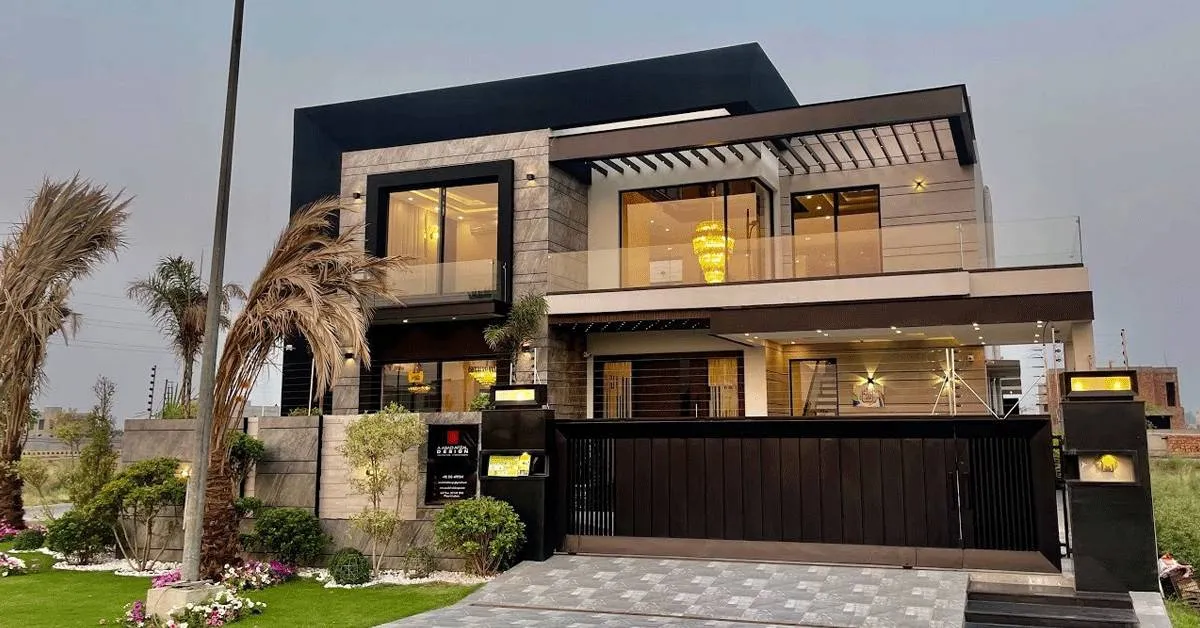
I found it strange that the older family members wanted new designs, and the younger ones wanted old ones, until a friend pointed out to me why it was actually the exact opposite of strange. My parents had probably dreamt all their life of being able to afford or build something that looked like it belonged in the time they were currently living in. We siblings, as younger people, were brought up in more comfort than my parents, who had grown up in rural Punjab and only came to the city as adults. While us siblings had never really felt left behind by the times, our parents likely had.
So after telling you to look at enough houses to develop good ideas and preferences and staying patient as things unfold, my final tip is not to hold on to your preferences too strongly and listen to everyone.
The great American writer Ray Bradbury once told the story of painting his house. He said it was “hellish work” and he hated every moment. “But when it was over and I stood back, it looked beautiful and I was rather proud of myself. The house belonged to me suddenly,” he said.
I think everyone around you should feel the house belongs to them. Which means everyone should get to decide something, even your sisters who visit once a year and your teenage brother who has no consistent opinions to speak of. Get that dark countertop because your mother liked it, extend the tread of the staircase like your father says. It doesn’t matter if the Indian architect on YouTube said houses should use only two colours, use as many as you need to make everyone happy. No one’s really coming to judge your taste.
What is the perfect house then? Perfectly designed? Perfect colour combinations? Or is the perfect house simply the one you have built? One that has your emotions in its foundations? And while you didn’t lay down the bricks, you certainly fretted over each and every one. And so, through stress and worry, you have something that belongs to you, not just legally, but emotionally, because you lived through the process.
A lot of YouTubers will introduce a house they are selling as a “khwabon ka mahal”, which sounds corny, but is it? Millennials are giving up on the idea of owning their own homes, so their dream is dead. Houses are now built by families – saved for by parents from a previous generation, overseen by children who can make only the slightest financial contribution at best, but can shoulder some stress. Houses today really are a dream, and dreams are an imperfect patchwork of your hopes and emotions. But they are uniquely your own, and they belong to you. Maybe that’s all a house needs to be in the end.

Farhan Afsar is a journalist who writes about people and culture. He lives in Islamabad.