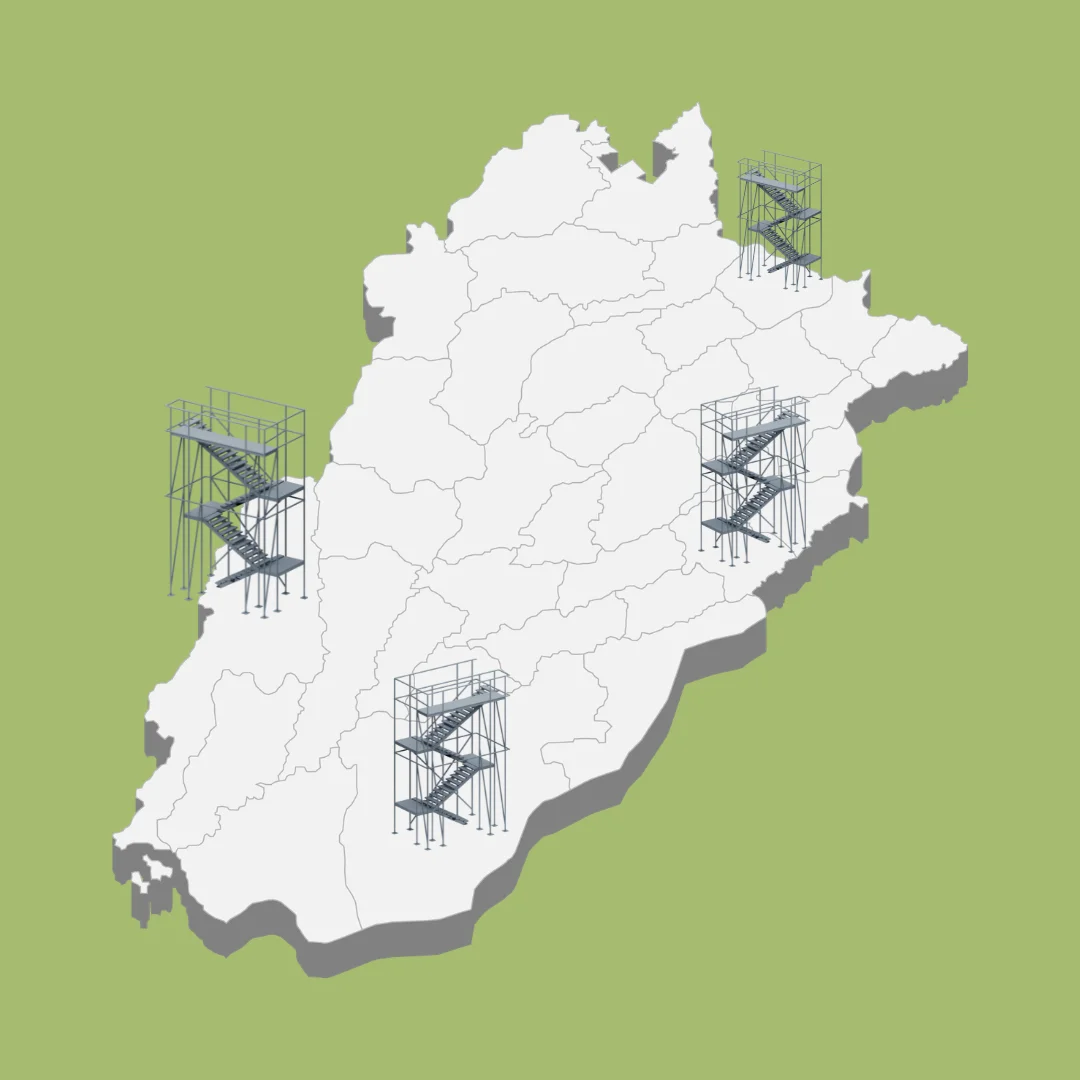
For the past year, Lahore has been animated by a newfound energy centered around heritage: long-neglected sites are suddenly surrounded by scaffolding, excavation, clearing, repair and conservation work. Monuments that had faded into the background of public memory are now being brought back into view, not only as remnants of the past but as part of a newly imagined tourism future. At the center of this push is the ambitious Magnificent Punjab campaign, announced by Chief Minister Maryam Nawaz on February 21st, 2025. Its language has been deliberately aspirational: Punjab, she said, would be made into a regional and international center for history, civilization and tourism. The scale is sweeping: the government has announced the transformation of 170 historical sites into “world class tourist centers,” with mapping already completed for 101 gurdwaras and 53 churches. A Punjab Tourism and Heritage Authority has also been proposed, alongside what the government describes as the province’s first comprehensive tourism policy.
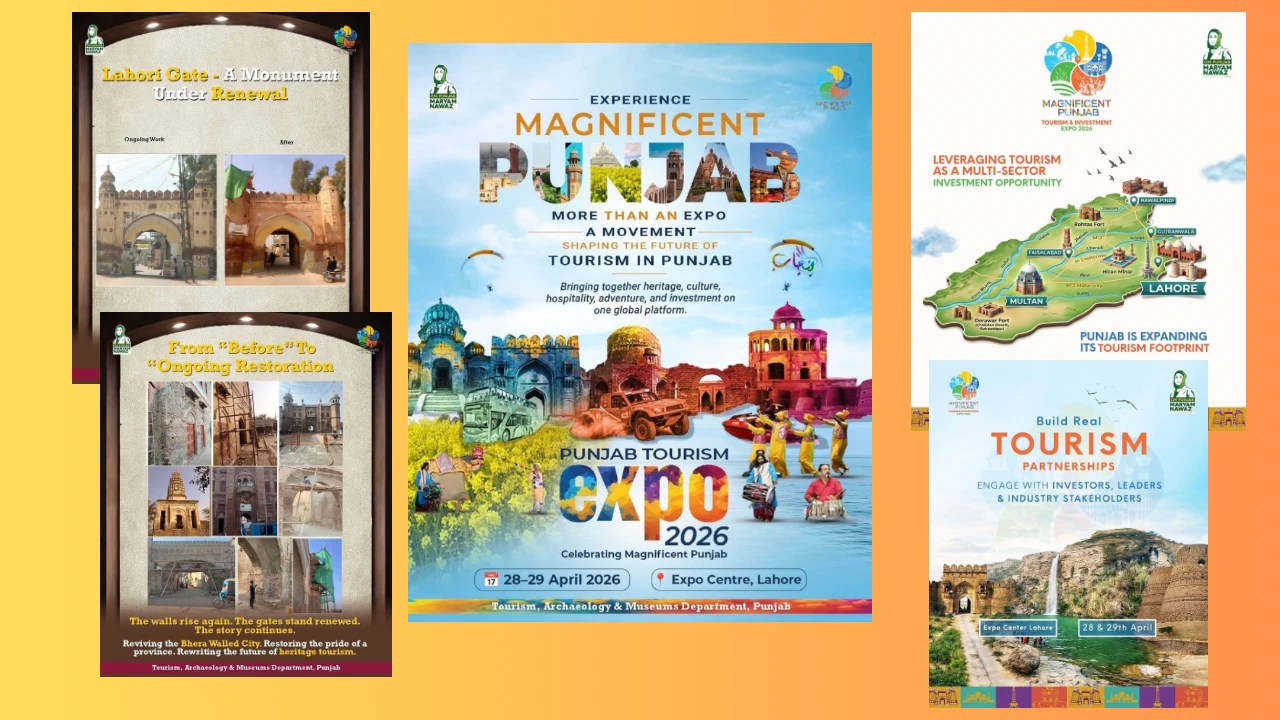
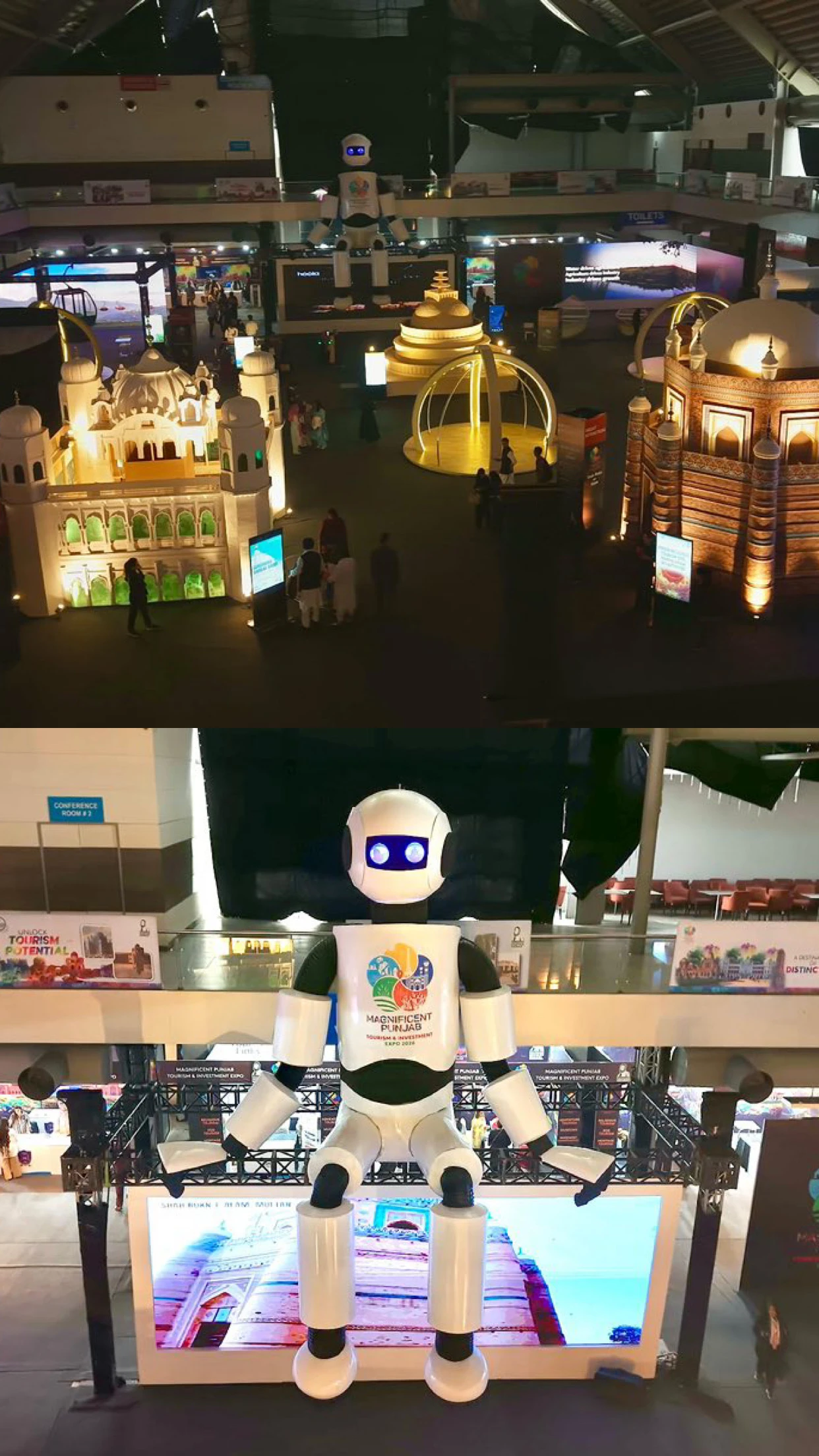
On April 28-29th 2026, the Magnificent Punjab Tourism & Investment Expo gave this vision a more explicit economic frame. Officials announced approximately Rs78 billion in tourism infrastructure investment, with work underway across 170 sites and 60 expected to become operational by December 2026. Punjab Senior Minister Marriyum Aurangzeb describes the expo as “a platform of opportunity” for investors to partner with government, for entrepreneurs to build experiences, and for the world to discover Punjab. The expo’s panels further widened this frame, presenting religious tourism circuits, adventure tourism, hotel and culinary sectors, hospitality and green tourism as areas of investment and growth.
This is a significant shift in a country where built heritage has too often been treated as expendable. Historic buildings have been allowed to decay, monuments have been poorly maintained, old urban fabric has been demolished in the name of development, and many religious and minority heritage sites have remained outside the center of public attention. If Magnificent Punjab brings long neglected sites onto the state’s agenda, protects them from demolition, improves access, creates jobs and makes citizens see heritage as valuable, that is a real gain.
The broader risk is not simply commercialization, but what critics often call the Disneyfication of heritage: the conversion of complex living sites, with all their messy histories and everyday uses, into clean, consumable and photo-friendly experiences.
This broader cultural turn has also been visible in the revival of public festivities. The return of Basant in Lahore this year after decades of prohibition was celebrated as the restoration of a civic rhythm many Lahoris associate with the arrival of spring: rooftops filled with families, kites in the sky, music, food, color and a rare sense of shared urban pleasure. In a city where public entertainment has too often been limited, securitized, or pushed into private spaces, Basant offered citizens something simple but significant: a rare occasion for people across social classes to gather, celebrate and feel the city collectively again. Its revival also produced a visible economic lift. Reuters reported surging hotel bookings and soldout kite markets in Mochi Gate, while Pakistani outlets estimated the festival’s economic activity in Lahore at roughly Rs4-6 billion, across kites, food, transport and hospitality.
Basant and Magnificent Punjab are not the same kind of project. One revives a seasonal festival; the other organizes built heritage through tourism and investment. Yet both reveal how Punjab’s past is being asked to produce a future: a more visible province, a stronger tourist economy, a renewed sense of civic pride and a cultural image that can travel beyond Pakistan. There is real value in this shift. Culture needs funding. Heritage needs maintenance. Tourism can create work opportunities. Public festivals can restore civic joy. For many Lahoris and Punjabis, this feels like a long-awaited opening: a chance to see the province associated with beauty, history, pleasure and shared civic life.
But precisely because this moment carries so much promise, it deserves careful thought. These projects are not only about recovering what was lost; they are also about deciding what Punjab should become. When festivals, monuments, shrines, churches, gurdwaras, museums and old neighborhoods are placed at the center of a tourism economy, they begin to carry new expectations: to attract visitors, generate revenue, produce pride and project a polished image of the province. The question, then, is not only what is being revived or preserved, but what kind of cultural future is being built through these projects – and precisely, who gets to shape it?
The language of becoming “world class” deserves attention. Across the world, governments have turned to heritage tourism to brand cities and regions as clean, restored, photogenic, accessible and globally competitive. Punjab’s desire to enter that field is understandable. But global examples are useful because they reveal the tensions that often accompany heritage led tourism. Restoration can bring visibility and revenue, but it can also produce displacement, over-curation and spaces that feel more staged than lived. In Istanbul, heritage-led redevelopment has often been celebrated as renewal and modernization, yet critics have shown how such projects can displace poorer residents and convert historic urban fabric into real-estate value. In Uzbekistan, Silk Road cities such as Samarkand, Bukhara and Khiva have become visually spectacular and internationally attractive, yet highly restored heritage zones can sometimes feel socially emptied, more like stages for visitors than dense places of everyday life. India’s private-sector heritage models have similarly raised debates about whether companies can improve facilities at monuments without reshaping public heritage around corporate visibility and visitor experience.
The broader risk is not simply commercialization, but what critics often call the Disneyfication of heritage: the conversion of complex living sites, with all their messy histories and everyday uses, into clean, consumable and photo-friendly experiences. The danger, then, is not preservation itself. Many of Punjab’s historic sites urgently need conservation, infrastructure, security, visitor facilities and long-term maintenance. The more difficult question is what kind of preservation is being imagined. If the goal is only to make sites cleaner, brighter, more profitable, and easier to photograph, then heritage may become more visible as image while becoming less meaningful as lived history.
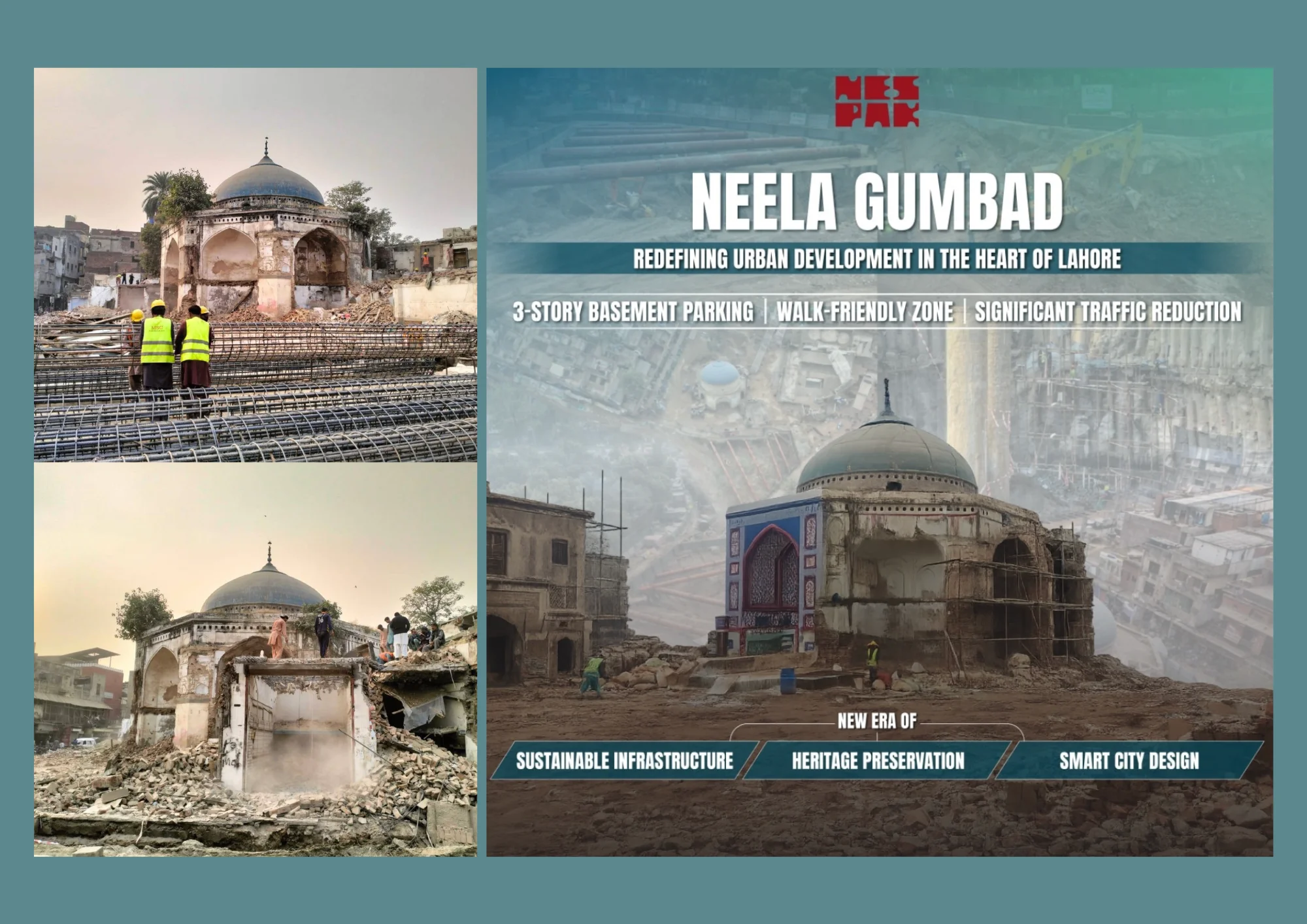
The stakes become sharper when we remember that many of these places are not empty monuments waiting to be displayed. Churches, gurdwaras, shrines, mosques, graveyards, bazaars and historic neighborhoods are living religious, social and community spaces. People worship in them, sell around them, gather at them, mourn through them, maintain them and build everyday routines around them. A church is not simply evidence of Punjab’s plural heritage; it is also a place of prayer for a living community. A gurdwara is not only a historic site; it is a sacred place of worship, memory, and pilgrimage. A shrine is not merely an architectural object; it is a site of devotion, livelihood, ritual, and social encounter. Once living sites are turned into visitor destinations, the hierarchy of use can begin to shift. The needs of tourism, such as access, cleanliness, security, photography, parking, signage and curated routes may start to compete with the needs of worshippers, caretakers, residents, vendors, pilgrims, and informal guides. Regulation inevitably follows. Authorities must manage not only the building but also the social life around it: who can enter, who can linger, who can sell, who can photograph, what can be heard and which practices are treated as disorder. Some of this may improve safety and upkeep. But it can also make a once porous place more controlled, orienting it toward visitors, investors and official narratives while thinning out the everyday life that made it meaningful.
The return of Basant in Lahore this year after decades of prohibition was celebrated as the restoration of a civic rhythm many Lahoris associate with the arrival of spring: rooftops filled with families, kites in the sky, music, food, color and a rare sense of shared urban pleasure.
This is why local communities and informal economies cannot be treated simply as decorative background. Around many heritage sites, flower sellers, food stalls, small shops, transport workers, repair workers, guides, caretakers, and vendors are part of the site’s social ecology. They mediate access, sustain livelihoods and often keep places active despite years of state neglect. Tourism development may treat them as clutter, encroachment or nuisance, but the informal is not always the enemy of heritage. Sometimes it is one of the ways heritage has survived. The question, then, is not only how to restore the site, but who gets to define what belongs around it.
Private investment sharpens this question. Public heritage departments often lack funds, staffing, technical capacity, and long-term maintenance budgets, and private investment can bring resources, hospitality infrastructure, programming, visibility and facilities that the state alone has often failed to provide. But investment is never neutral. Investors also need returns, and they tend to think in terms of footfall, revenue, branding, commercial programming, event space, cafes, shops, ticketing and visitor experience. The question, then, is whether investment will support heritage as a public good or gradually begin to define what heritage is for. This is why transparency matters. If private participation is central to the campaign, the public should know who the investors are, what agreements govern their involvement, how revenue will be shared and what safeguards will protect conservation standards, community access and religious use. If profitability becomes one of the conditions of care, then some sites will become more attractive than others. Places that can be branded, ticketed, photographed, rented or attached to tourism routes may receive attention first. Sites that are less photogenic, politically difficult, less accessible or less commercially viable may remain marginal. In this sense, preservation does not simply save the past, it also decides which pasts are worth saving.
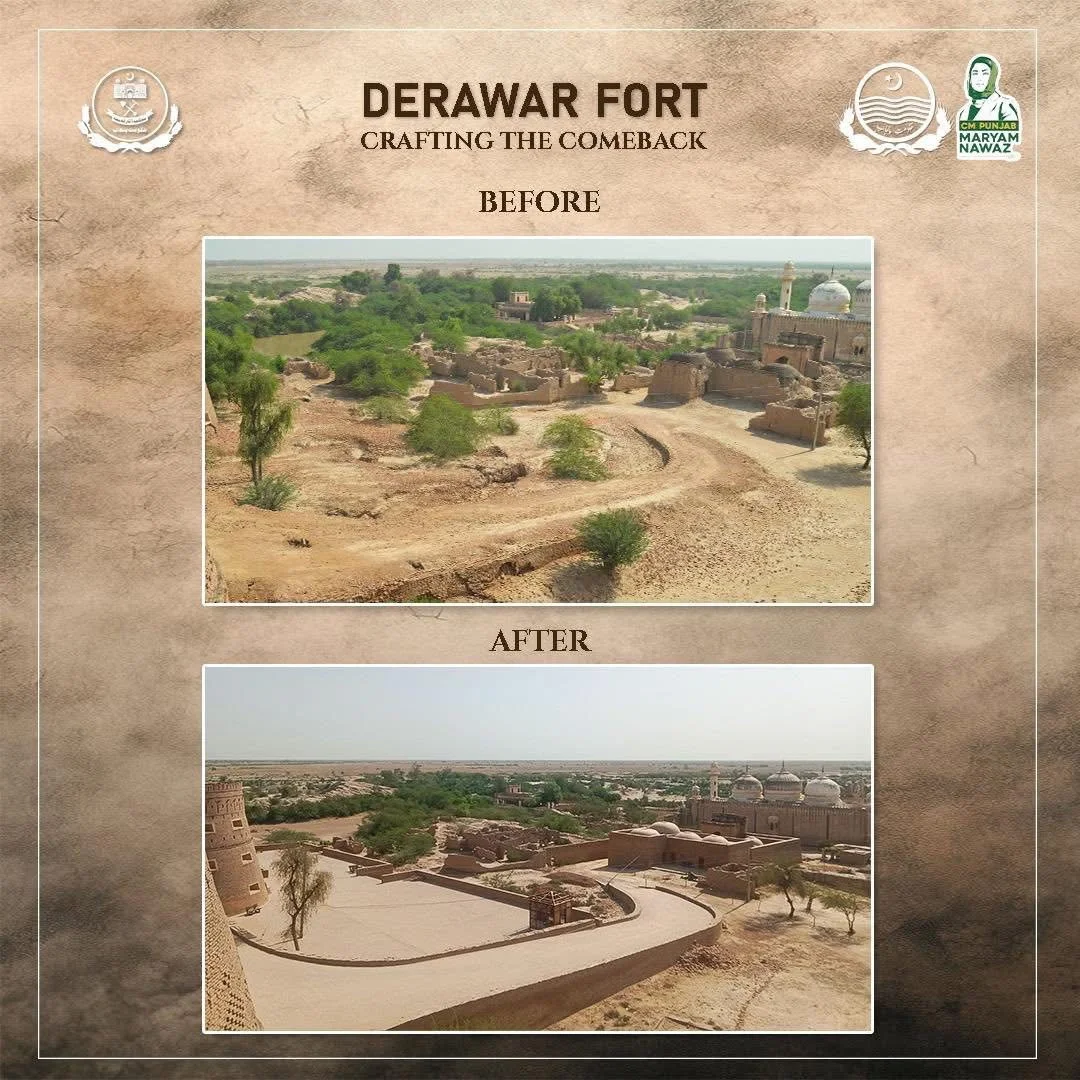
This is important because Punjab’s past is not simple: it includes Sikh sovereignty, Muslim devotional life, Hindu and Jain mercantile histories, Christian missionary institutions, colonial urbanism, partition violence, caste and class hierarchies, minority vulnerability, informal occupation and decades of postcolonial neglect. A tourism campaign may prefer softer words: magnificence, civilization, spiritual routes, culture, harmony, beauty. And while these words are not wrong, in fact they may even help citizens value what has long been ignored, but they can also smooth over difficult histories. Tourism can make history visible while making it less troubling. This is especially relevant for minority religious sites. The government’s mapping of 101 gurdwaras and 53 churches is significant because Sikh and Christian heritage have often been neglected or marginalized in public narratives of Punjab. Bringing such sites into public view could be a meaningful corrective. But visibility is not the same as authority. If churches and gurdwaras are used to advertise Punjab’s plural heritage, then the communities attached to them should not appear only as symbols of diversity. They must be part of decisions about conservation, access, interpretation, programming and long-term custodianship.
A monument can also disappear by becoming too visible. In his 1927 essay On Monuments, the Austrian writer Robert Musil observed that “there is nothing in this world as invisible as a monument.” His point was that monuments often become so familiar, so absorbed into the routines of the city that people stop seeing them as historical objects. Punjab’s new heritage turn may produce a different version of this invisibility: not through neglect, but through over-programming. Fountains, lights, cafes, landscaped spaces and recreational amenities can make historic sites more welcoming, especially in cities where accessible public leisure is limited. But when the experience around a monument becomes more memorable than the site itself, heritage risks becoming a backdrop for leisure rather than an occasion for historical encounter. The monument remains physically present, the site even more visited than before, but its meaning can recede behind the spectacle built around it.
This raises a related question of cultural authority: who decides what kind of experience should surround heritage in the first place? Public-facing heritage projects are often shaped by officials, investors, consultants, curators, architects, patrons, and cultural organizers who determine how a site should be restored, narrated, programmed and consumed. That expertise and funding can be valuable, but it should not become the only source of authority. The public should not be invited only to attend, admire, and consume heritage after its meaning has already been decided elsewhere. The better model is not abandonment, but shared custodianship: investment should support conservation, community, and historical interpretation rather than define them. Visitor facilities should improve access without displacing local use, and restoration should protect not only material fabric, but also the memories, practices, and relationships that give a place its social life.
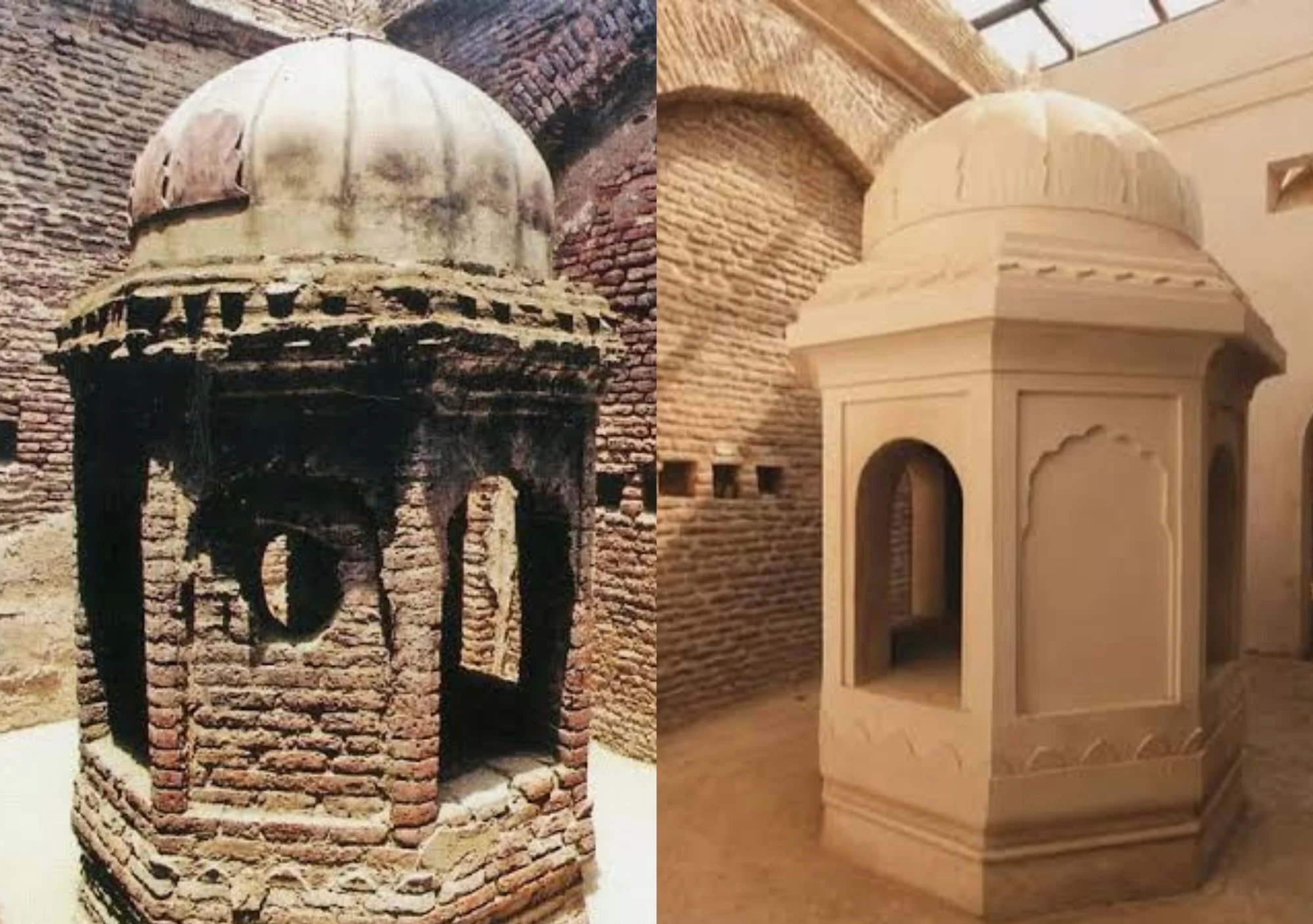
Just as important is the question of maintenance. Heritage campaigns often look most impressive at the moment of launch: the restored facade, new lighting, fresh signage, official photographs and marketing. The proposed Punjab Tourism and Heritage Authority may provide an institutional framework for this work, and that is a meaningful step. But institutions alone do not guarantee care. Pakistan has had heritage bodies, archaeology departments, development authorities, and conservation mandates for decades, yet many historic buildings have still fallen into decay. The real test of Magnificent Punjab will therefore not be only how many sites are restored, how many tourists arrive or how much investment is secured. It will be whether these sites are cared for over time, whether conservation standards are maintained, whether local communities and religious users remain central, whether informal economies are accommodated rather than erased, whether difficult histories are explained rather than softened, and whether private partners are made accountable. In the end, the campaign should be judged not only by whether it preserves buildings, but by whether it preserves the relationships that make them matter.
Ultimately, Magnificent Punjab is not only about preserving the past. It is about imagining a future through the past. The campaign asks historic buildings, shrines, churches, gurdwaras, forts, museums and neighborhoods to do new work: attract investment, generate tourism, project provincial confidence and make Punjab legible to visitors from elsewhere. That ambition has real promise. But it also raises the central question of the campaign: what kind of heritage future is being imagined? One in which sites are cleaned, branded and made profitable, but detached from the communities and everyday practices that gave them meaning? Or one in which conservation, tourism and investment are made to serve a deeper public good? If Punjab is to become truly magnificent, it should not be by making heritage merely more marketable, but by making its histories more visible, its communities more central and its living sites full of life.

Sarah K. Cheema is a PhD Candidate in Architecture at the University of Michigan and Assistant Professor at the National College of Arts, Lahore. Her research examines architecture, public culture, and Muslim political identity in postcolonial Pakistan.