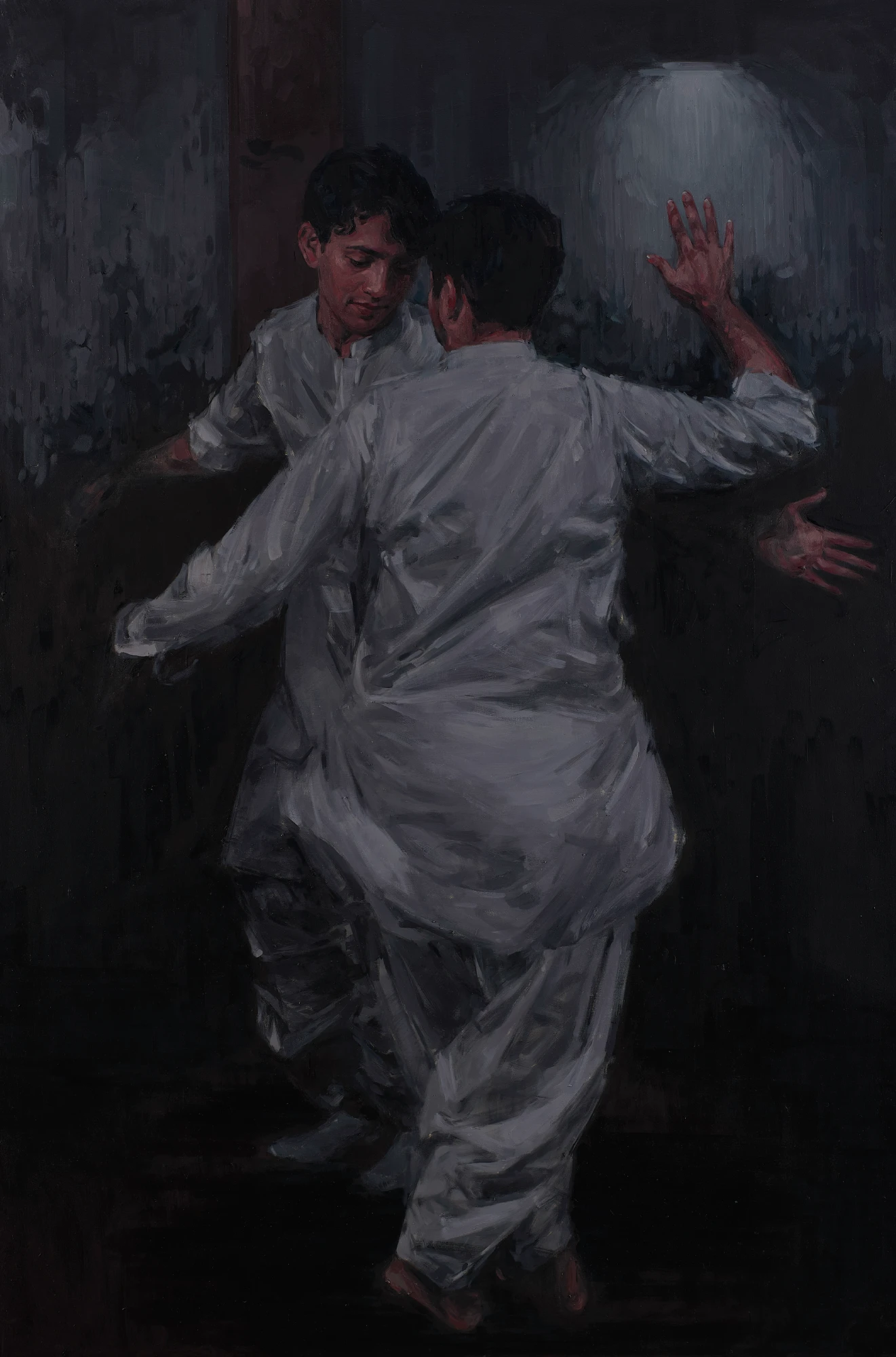
For me, the idea of a writer or a poet has always been associated with love and loss. I was 12, or maybe 13 years old, studying at Cadet College, where students were expected to change uniforms a dozen times a day, were forced to into aggressive buzzcuts that made us all look identically pitiful, and herded like sheep into assemblies, drills, classes, the dining hall, and even the mosque. One day, while walking alone on the weekend under the shade of apricot trees, it dawned on me that as an adult, when I grow up, I would love to become a writer, or a poet. And immediately, I also envisioned the story, the plot of the coming decades, for myself. I thought: when I grow up, I will fall in love with a pretty girl with large, beautiful eyes. She will reject my love and the heartbreak will push me to write poems about love and loss and life.
Chat, the essential three L’s.
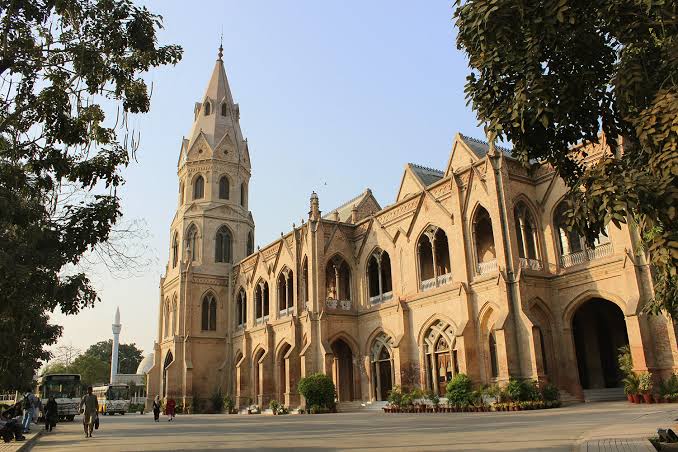
I imagined I would become a fakeer, a mystic who doesn’t have a home, travels on foot between villages and towns, sleeps in mosques, composes poems and stories, and observes as much of people and life as possible. The idea appeared romantic, mystical, and tragic to me then, and, only in retrospect can I see that it had ‘loser’ written all over it – the fate of every Majnu-type lover. By the time I graduated from Cadet College, I had read some books and had imbibed some sanity and no longer felt inspired to pursue the myth I had envisioned for myself. One day though, I was on the phone with a gracious senior who was studying at Govt College Lahore, and he spoke to me about the city, Anarkali, old book shops, parks, and cafes. That conversation was enough to revive my dream. And I knew exactly where I needed to go to pursue my dream of a writer’s life.
It was 2013. After travelling all night alone in an inter-city bus from Peshawar to Lahore, I hurried out of the vehicle, not quite willing to breathe the air, which reeked of sweat, hot leather, and a peculiar sadness that wraps around people who travel to new places, either in pursuit of work or medical care. I had heard of Lahore as ‘the city of gardens’, so I was not prepared for the dry air that smacked me in the face on that late July morning. I scrunched my eyes under a blazing sun that felt relentless and unforgiving. I had just finished my intermediate studies and, to my father’s immense disappointment, had decided to study English Literature at Govt College Lahore, so that I could one day become a novelist. I had lied to him that my goal was to eventually become a civil servant. Only a few short years earlier, I would have found such a lie unimaginable for myself, but as they say, strict parents raise good liars. If there was anything I was willing to lie for, it was to study in a city that appeared to me synonymous to Paris, and to become a storyteller – a different kind of a liar.
The bus had stopped near the fruit mandi, and once I escaped the eager rickshaw drivers who, as a 19-year-old, I was sure wanted to kidnap me, I traversed a heap of discarded mangoes and bananas, passed by boxes filled with assortments of pears and peaches, and crossed a small throng which had gathered for bidding over crates of tomatoes. Once out of the fruit mandi, I got into a rickshaw, and the driver took me racing across the roads to GCU, while I bounced in the back like a ball every time we went cruising over a speed breaker.
I suffered until I became certain that I had become a certified bum, a loser instead of a writer, but when you are young and especially a man, there is not much difference between the two.
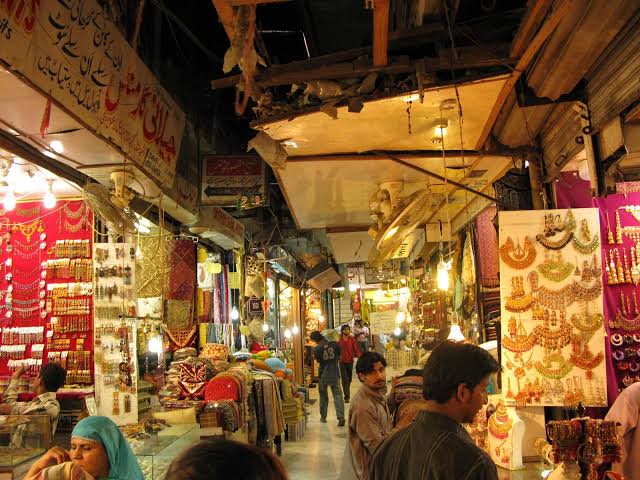
I passed the GCU entry test, and was no stranger to hostel life, given that I had spent six years before that in a cadet college, reading Tolstoy in bed while half-naked young boys ran around, pranking and laughing at each other. However, it still took me a few weeks to accustom myself to Anarkali. While Anarkali literally means pomegranate blossom, the reality of it was far less poetic: there were broken roads, smoke-filled restaurants with sweating waiters and cooks, and unbridled traffic that moved from every direction into every direction and yet miraculously, accidents remained rare, excepting the restless motorbikes that tread on my toes sometimes to remind me that life was short and must not to be taken for granted, especially by a young writer.
Once the first semester started, the heat didn’t wane immediately and the traffic didn’t lose its ferocious intensity. I sat in a class, awkward and anxious, and though I had read enough literature, at the end of the day, I was an underexposed teenager from Waziristan, a place that was suffering and trying to recover from terrorism and military operations. The classes and campus became an ordeal for me, primarily because more than half of the students were girls. Even back in the village, during Eids and weddings, I was the kind who shied away from the mere look of women because I found them too magnetic to bear. It is funny to think about this in retrospect, because soon enough, I made several female friends and got along with them particularly well; in fact, my experience of Lahore was defined and redefined over the coming decade by their trust and generosity.
In the early days though, not only did I not know about women and feminism, but also, like I said, I had no idea how to interact with women. In my classes, while the girls were amused by my accented Urdu and my mispronunciation of English words, given I had learnt my vocabulary from reading books, and not teachers or even television, I often felt that they were laughing at me. One day, in response to a teacher’s question, I replied loudly with “Shake-ass-speare” instead of the acceptable ‘Shake-speare’ and the whole class broke into laughter. But then again, although I was drowning in my own shyness and the sense of inferiority that people from small towns and poor families often bring to Lahore, I became quite popular in my class since I could say unexpected and strange things, when people expected them the least from me. In the third month since my admission, one day, our professor Siddique Awan caught me reading Jean-Jacques Rousseau’s Confessions outside of the main building and later, teasingly confronted me in class about it, and we bantered about what he was teaching in the class and what I considered to be more important for my growth as a writer. Other similar incidents allowed me to identify primarily with my literary sensibility as social armor, and hide everything else about my past, my family, and where I came from, the place the rest of the country knows for their kalashnikovs and red apples.
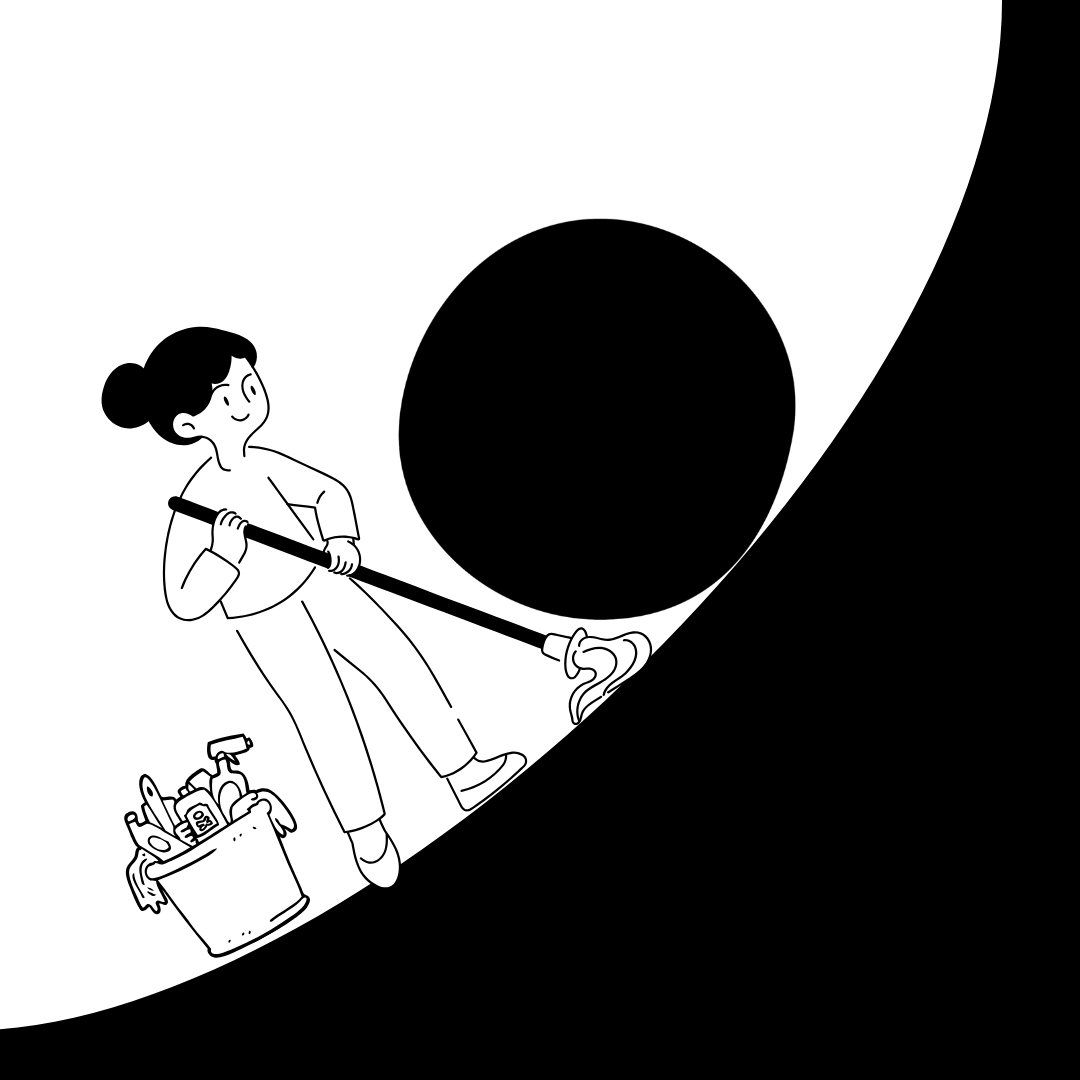
As someone released from the confinement of Cadet College, even a shy teenager like me couldn’t help but rebel – at least in small, single-sachet dozes. I developed a penchant for walking, smoked cigarettes, watched stoned men masturbating on roadsides, got picked up by a police van at 2 AM because I was walking aimlessly in dark alleys. I made friends, abandoned some of them, got abandoned by others, did a few illegal things (which, for the sake of propriety, I can’t mention here), read Jaun Elia on rooftops in the summer because I couldn’t afford an AC, struggled against the authority of my father back home, discussed religion and philosophy with friends and teachers, and watched Hollywood movies. At the time, it felt like life and Lahore were harsh to me but, in retrospect, I can see that I wanted to suffer. I had a certain fascination with darkness, with pain. I got depressed, swam in the deep waters of that depression, hated myself, read Nietzsche, hated people and myself, read Rainer Maria Rilke and Schopenhauer’s writings on solitude, stopped talking to all of my friends, wandered the streets at night, and forgot altogether that I had grown up as a kid among apple trees, mynahs, and butterflies in alfalfa fields. I suffered some more, until I became certain that I had become a certified bum, a loser instead of a writer, but when you are young and especially a man, there is not much difference between the two.
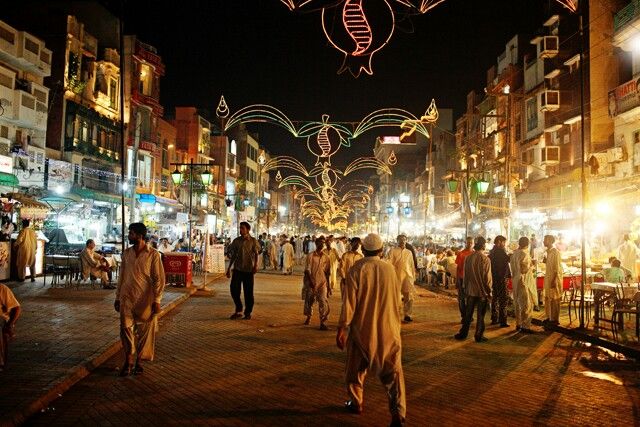
And despite all that, GCU had started to feel like a kind of home, though I was still scared of Lahore. I only ventured into the nearby streets of Anarkali on foot and lived in small, cloistered hostel rooms; my passion for writing stories didn’t wane and yet I didn’t know what to write about because I felt such an intense inner poverty, and found myself incapable of imagining characters other than me. At best, I thought I could write a character modeled after myself, someone suffering from existential angst who could hardly make sense of human relationships. I didn’t make any progress in telling stories, and yet I filled journal after journal, collecting my thoughts and the tattered emotions of an angsty teenager. Soon, my father stopped supporting me financially, so I taught tuitions and did paid content writing, and when my wallet was entirely drained, I borrowed from a kind lecturer in the English Department, and returned the amount months later, though he never asked for it back.
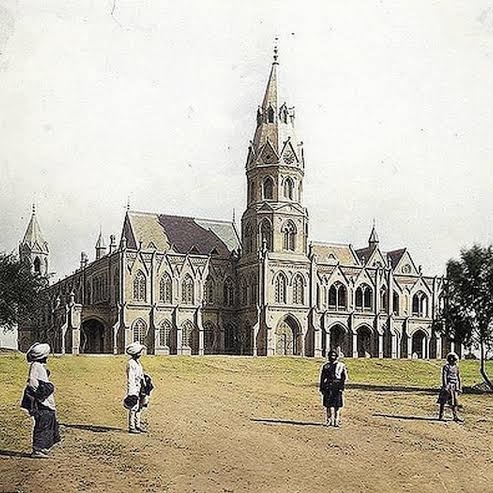
Sometimes, it felt like the entire English Department at GCU with its ancient towers was floating through an endless fog of depression. While sitting on the marble steps of the department, I used to think about my childhood in Wana and felt pangs of nostalgia. I wondered if I made a mistake in coming to Lahore and put myself on a journey with no clear path; no roads led back to Wana, only away from it.
Back in the village, I had difficulty getting along with my parents, who felt that I had changed and wasn’t as compliant as I used to be and had brought home ideas that felt alien to them. As I moved away from my parents and walked the margins of Mall Road in late winter, when the smog covered everything, the realization of being responsible for my own finances, values, relationships, and even my future life hit me like a rock; it all felt so daunting. Around that time, most of my friends and I were depressed. Sometimes, it felt like the entire English Department with its ancient towers was floating through an endless fog of depression. While sitting on the marble stairs of the English Department, I used to think about my childhood in Wana and felt pangs of nostalgia. I wondered if I had made a mistake in coming to Lahore and putting myself on this journey with no clear path; no roads led back to Wana, only away from it.
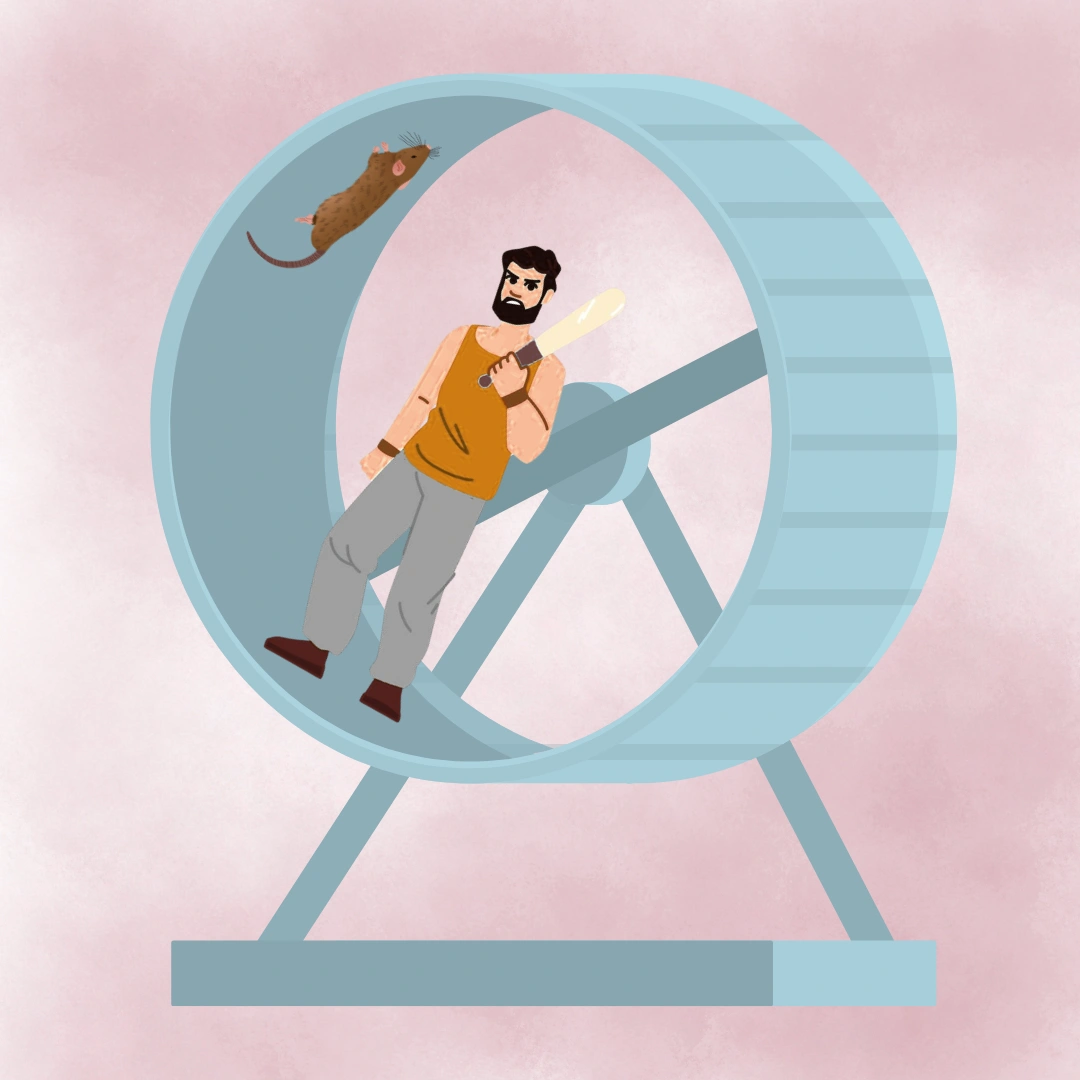
Several of my friends were at a similar crossroads with their families, where either they had to conform and return to their families in submission, or lunge forth into the unknown without wings or parachutes. There has been a childhood and innocence somewhere in the past, where our hearts were as white as cotton shirts, but over time, they had started to resemble the greasy rags with which waiters used to wipe down tables in the chai dhabas in Anarkali. I was submerged in the din of my days, running from my classes to tuition appointments, and hurrying through meagre meals to write content for pennies.
By the time I was almost finishing up my undergrad – without having written a single story or even a chapter of a novel – I was working for the Institute of Development Studies (IDC) UK under Miguel Loureiro. This research was in Wana, with a focus on underprivileged families during times of armed conflict. As part of this work, I would have to go to Wana once every few weeks to conduct interviews, and would find myself at the nearby stream and the dry, dark mountains contemplating my life. Though I had yet to trust Lahore despite everything it had offered me, during those research visits, I saw Waziristan as a possible subject of my stories. I was shocked by own discovery: why didn’t I write about Waziristan, a place that I had known intimately yet had an ambivalent relationship with, instead of Lahore that had opened its arms for me but I didn’t find it familiar yet, given how scared and timid I already was? Within weeks, for the first time, I felt that I had enough stories to tell about Wana for the rest of my life. Even that discovery I owed to Lahore. I ended up submitting a short story about Wana to the LUMS Young Writers Workshop and got selected for the workshop. After the tutoring job, I began working for a food blog, visiting dingy restaurants in Androon Lahore, covering food places along the metro stops and Mall Road; I explored Lahore for the first time since 2013 with a pen and a mobile phone camera. The editor of the food blog would appreciate my imagery and details about the experience of visiting these places. I still didn’t believe that Lahore could save me, and I didn’t trust myself either. Later that year, in 2018, I was hired at GCU as visiting faculty; this was followed by my selection for the Fulbright scholarship. When Covid-19 hit, I was working at Zameen as a content writer. Since I was living alone in Anarkali, I set out to learn how to make rotis, cook chicken karahi, and prepare my own thick doodhpatti.
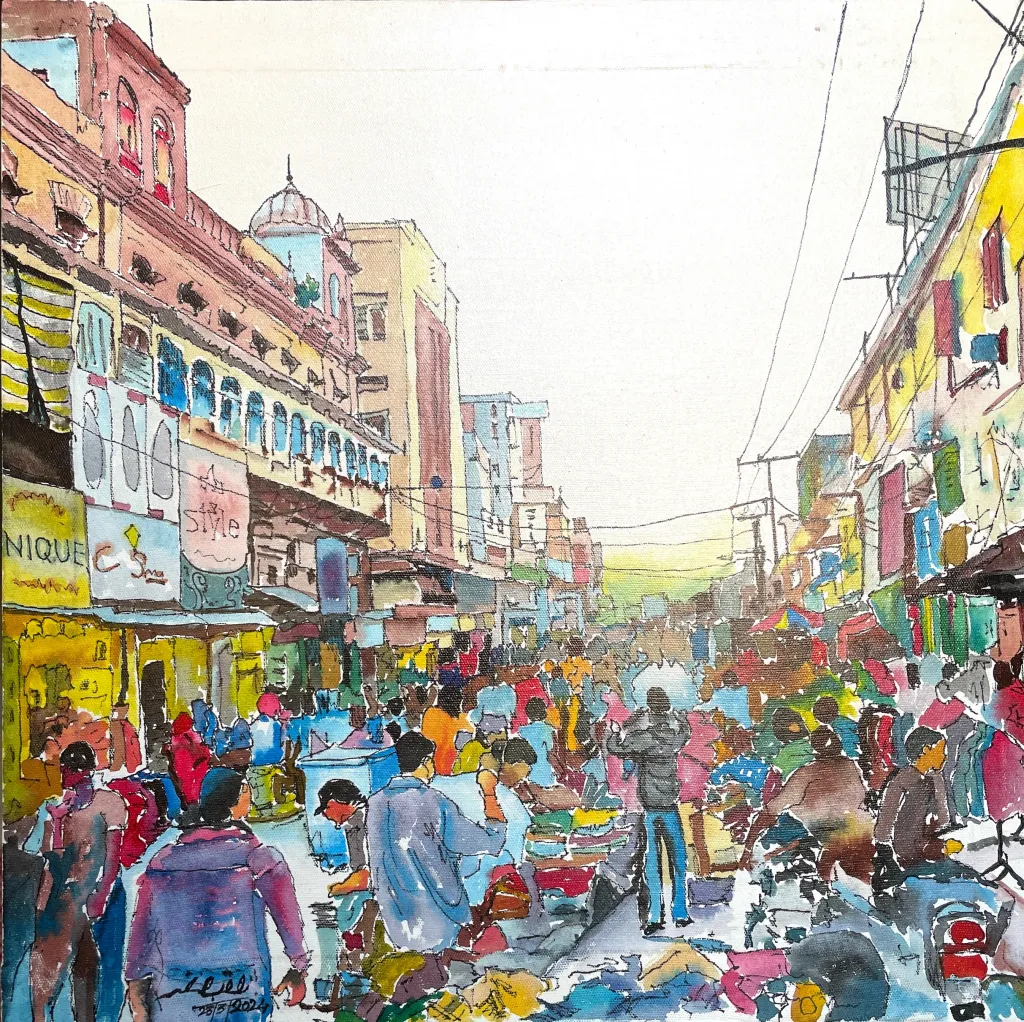
After my MFA in Creative Writing at the University of Central Florida, I returned to Lahore, and could finally call the place my home. I began teaching at the University of Central Punjab, and worked as a mentor at the LUMS Young Writers Workshop. During my MFA, I had started my novel about Wana, and had been working on it for over six years. Not only did I find my own voice as a writer in Lahore, but I discovered that I could teach too, though nobody would have expected that from someone who was as shy and socially miserable as I was. I began to appreciate Lahore more after returning from Florida. For the first time, I started thinking of Lahore not as some city that one must survive, but as a living, breathing organism in whose belly I had prospered and overcome some of the most difficult obstacles of my life. People are shaped by their childhoods, by other writers, by philosophical or aesthetic schools, but I take pride in the fact that I was shaped by Lahore, and so are my sensibilities and friendships and love and life. Maybe if I had lived somewhere else, I would have given up on writing, but Lahore didn’t let me abandon my dreams, and now I trust it like my own home.
I remember when I came to Lahore for the first time. I was seven. The air was saturated with the stench of petrol. Late at night in the hotel where I stayed with my father, I couldn’t sleep from the headache. I could hear the clamour of vehicles and wondered if anyone felt the peace of a grazing cow in this monster of a city. And now, I witness myself, and wonder: how did I find my meaning, my purpose in the racket of this concrete jungle? Metaphors fly at me as if I am one of those electric poles with tangled knots of wires in Anarkali. Stories knock on my doors each morning, and when I turn them away, they come late at night, and when I refuse to touch them or hold them, they sneak into my dreams and persist like mosquitoes. I return to the same cafes, and the same faces. Lahore keeps me alive, feeds me, inspires my stories, gives me friends and students, and reminds me to write and dream.
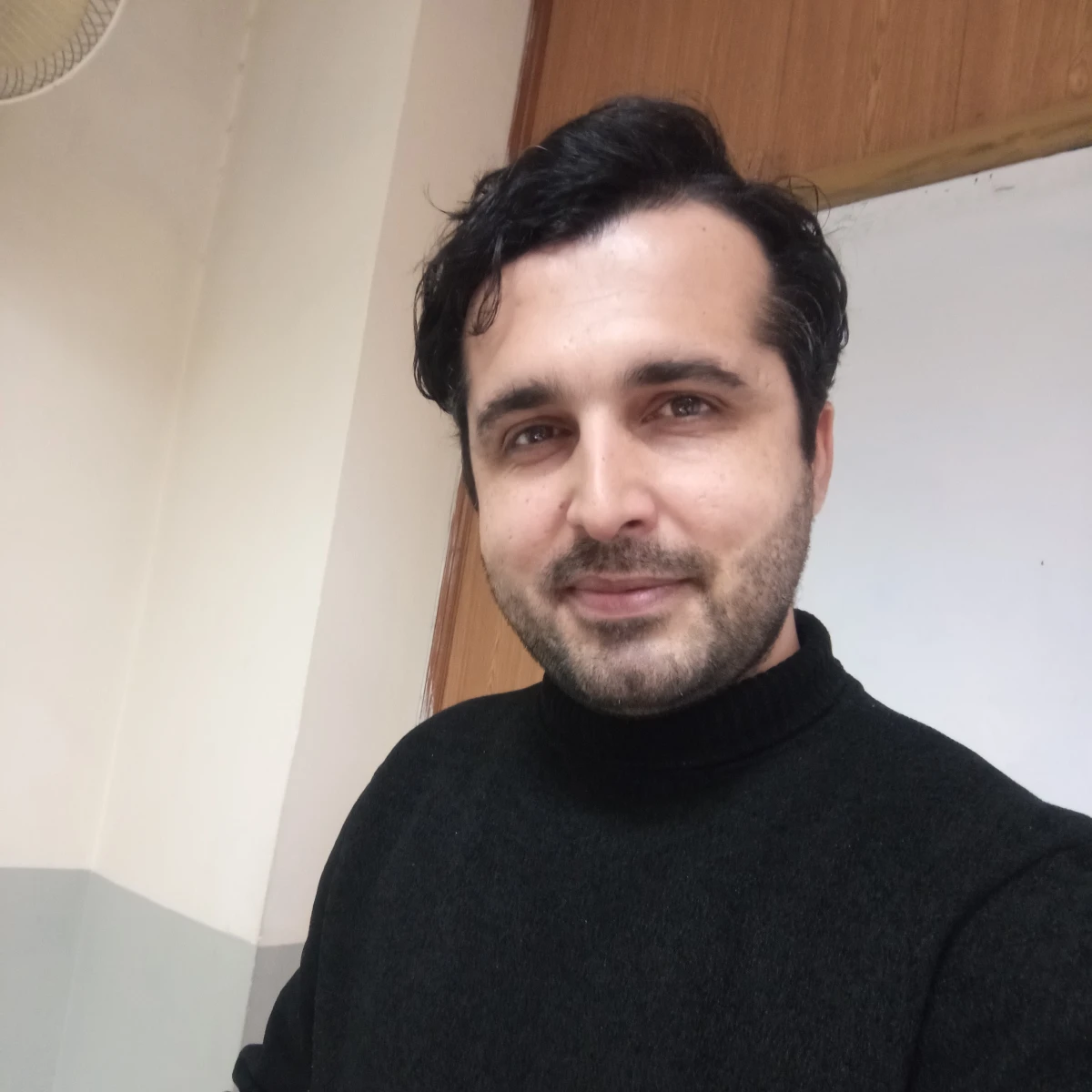
Noor Rehman is a writer, lecturer, Fulbright scholar, and failed influencer. Like all creatives, he suffers in equal parts from a sense of inferiority as well as narcissism. The only normal things about him are his love for tea, a fear of heights, and an appreciation of Leonard Cohen's music.