For the Pakistani media industry, the future arrives already rehearsed and borrowed from something that came before. Long beforeAI slop engulfed the national feed, Pakistanis already had developed a rather peculiar interest in using contemporary culture to recreate the past in the most bizarre ways. Be it Sarmad Khoosat's 2013 remake of Aina, Coke Studio's 2018 rendition of Ko Ko Korina, or the 2022 reawakening of Maula Jatt, infinite possibilities in marrying nostalgia and novelty have long served as a bedrock investment strategy in the Pakistani cultural industries. This has settled into an established, even standardised formula: just different and innovative enough to get people talking, but still fundamentally familiar.
This formula is, obviously, not without its share of tone-deafness, especially amid the growing, largely undebated use of generative AI in dramas, commercials, and now films. It is certainly convenient to blame poor policymaking and the lack of media literacy in public. However, the television industry, in particular, often comes under criticism for failing to keep pace with the changing preferences of the youth. As a response, the industry has tinkered with several ideas in search of a real tour de force, pushing for increased production scale and ostensibly varied narratives in a few projects, with Jindo and Parvarish being two that come to mind.
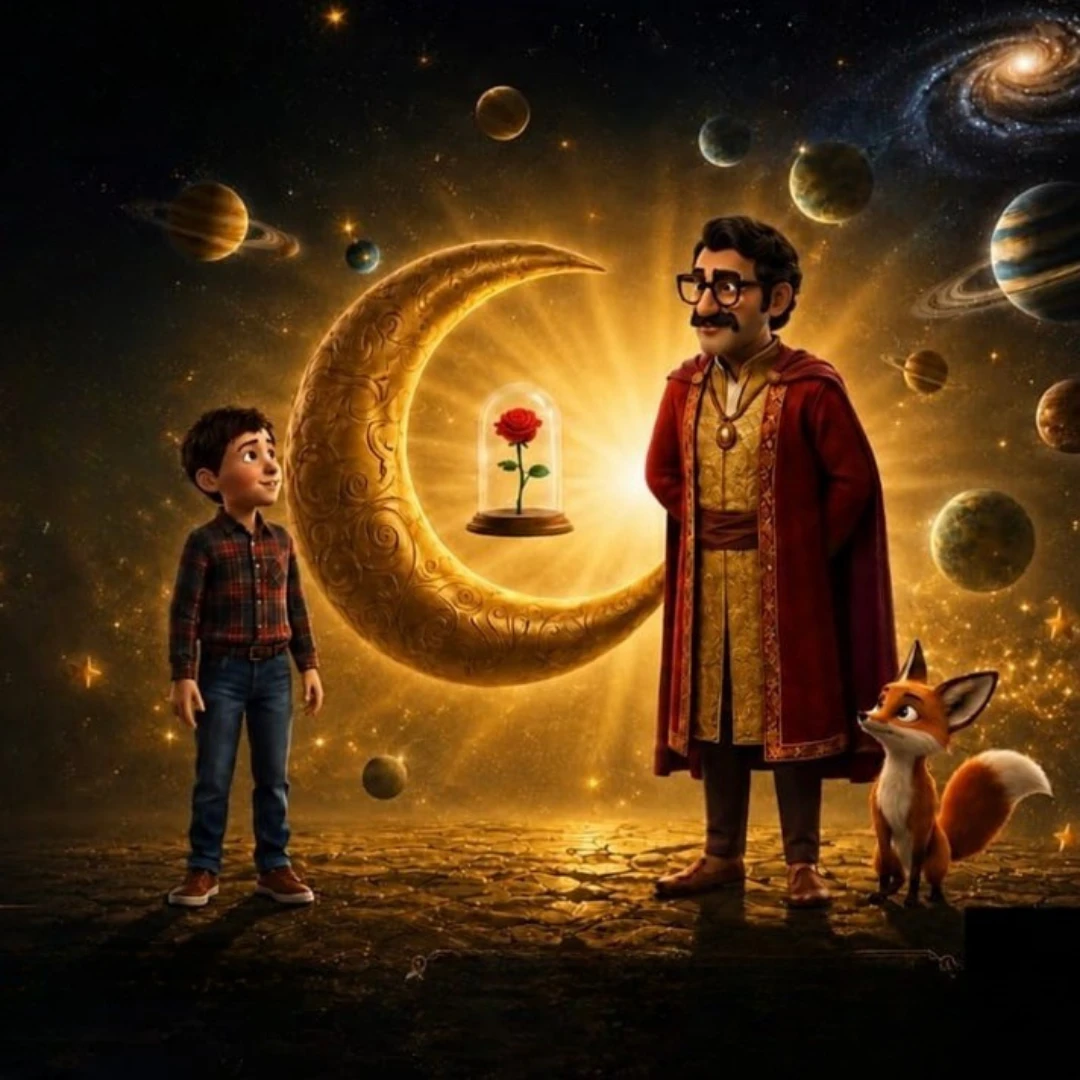
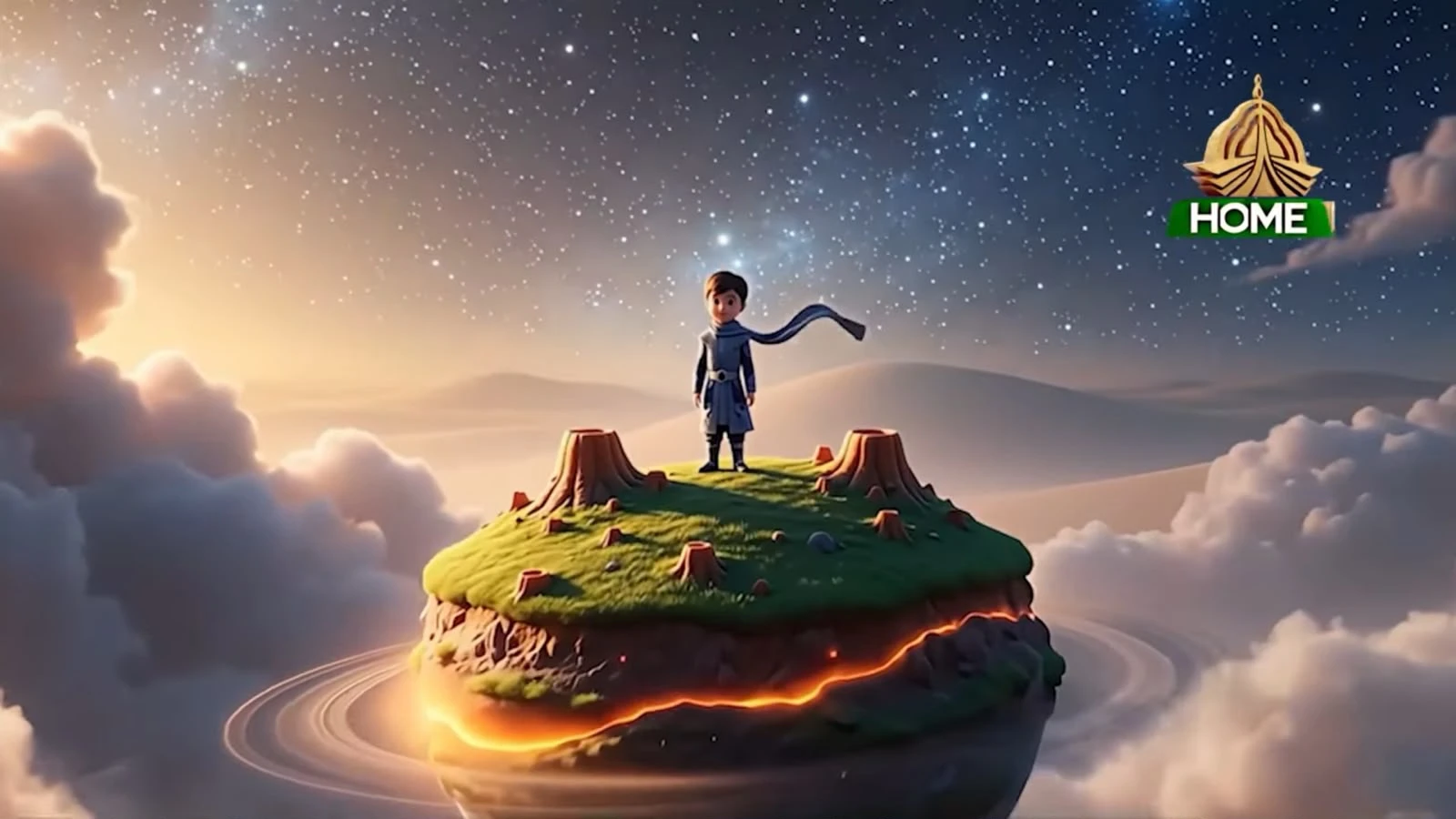
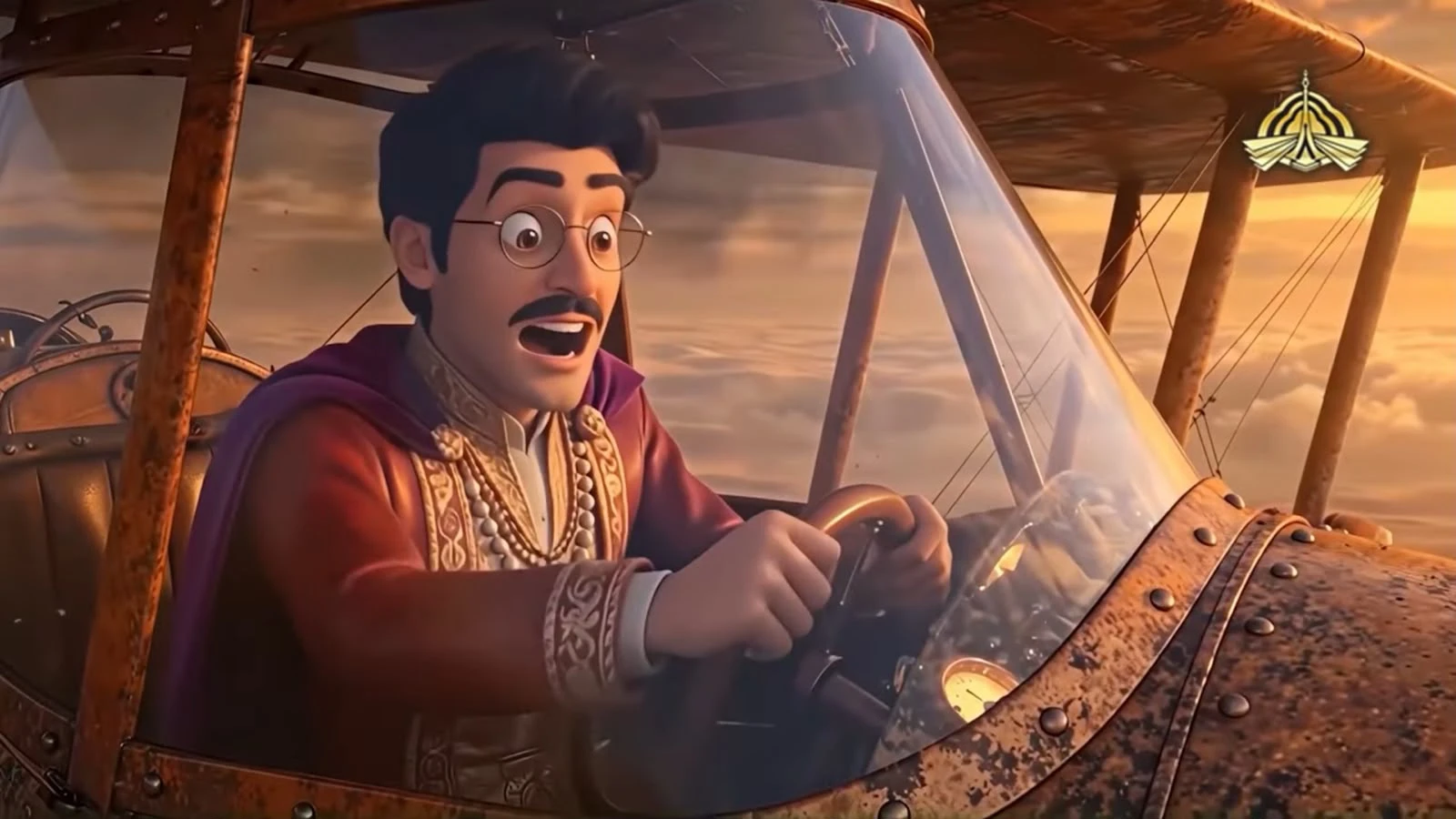
This year has seen a series of attempts to create a Pakistan driven by prompts instead of promises. Generative AI has been quietly slotted in as the next phase of the industry's upgrade cycle — promising a wind of change. Of course, we're not ‘old-fashioned’ anymore. We demanded a change in mentality; rejecting AI would be counterintuitive if anything. With this approach in mind, Pakistan Television, the state broadcaster, announced the pinnacle of cinematic excellence: a film that would further the scope of cinema — a remake of Hafeez Tahir's 1993 opus Ainak Wala Jinn.
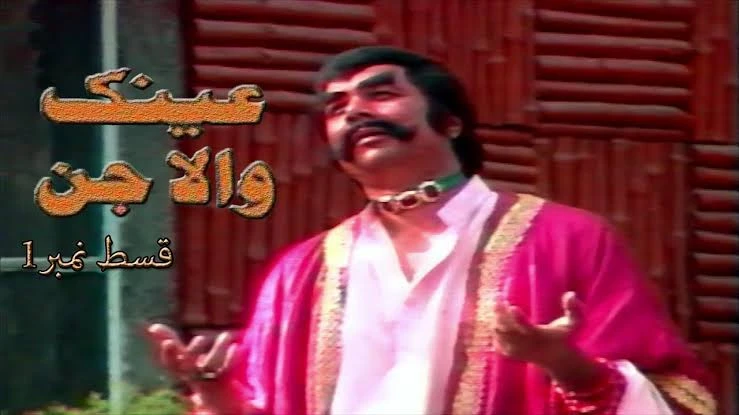
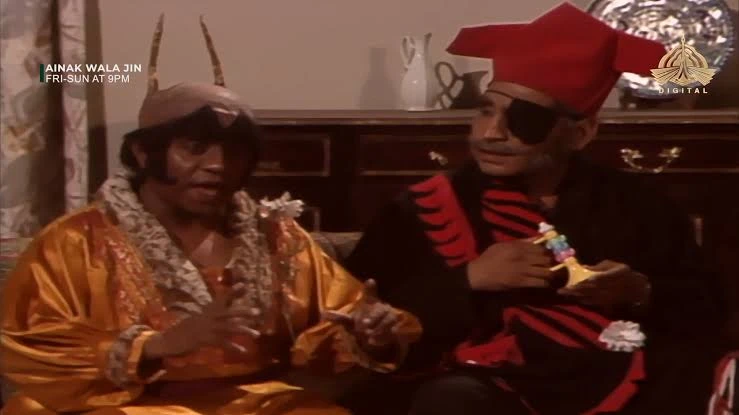
Or at least, that’s what they thought they had done.
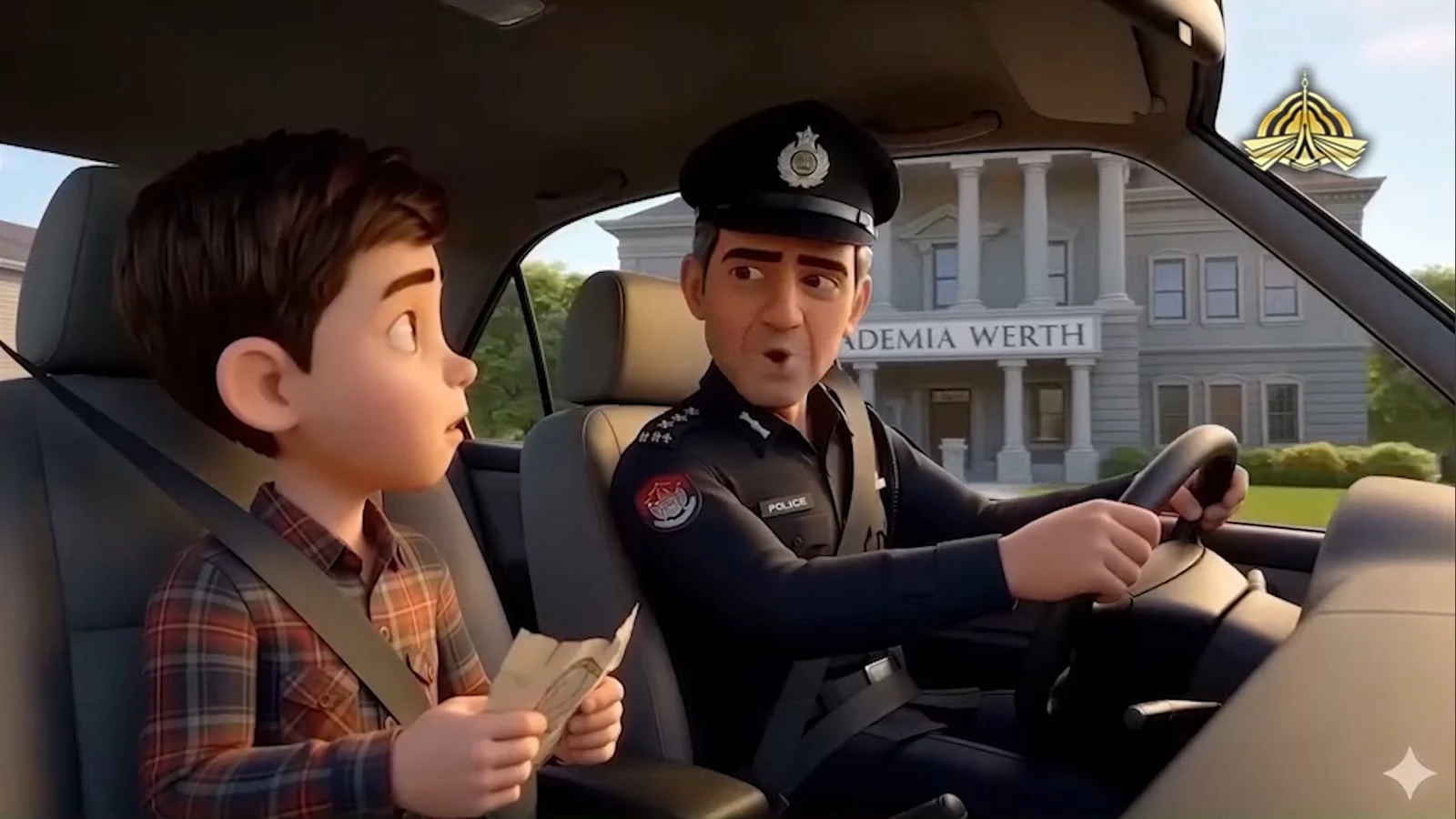
Netizens and Mr. Tahir were both equally infuriated and rightfully felt betrayed. Upon close examination of the promo unveiled prior to the release for this highly unorthodox remake, at least a dozen avoidable inconsistencies make it unintentionally comical. A Caucasian-looking child, a Jinn looking like an escaped felon, and contrived environments bearing no real similarity to any region of Pakistan — all suggest either that the creators had no regard for the original series as source material or, worse, that we are lending our cultural heritage to confined datasets of AI models to interpret in the most shallow of ways. Beyond the ethics of AI, several aspects of this production in particular are uniquely problematic. The AI shots, transitions, and camera movements jitter and morph almost as if struggling to maintain a stable 24 frames per second. Most troubling of all are the Google Gemini logos left behind in a handful of shots, as almost obscene evidence of generative AI that owes itself to avoiding a few minutes of basic labour to at least remove the watermark. If the makers are legitimately surprised that the precipice of cinematic innovation is being dismissed, it points to a much larger gap between discourse on generative AI and the media industry of Pakistan.
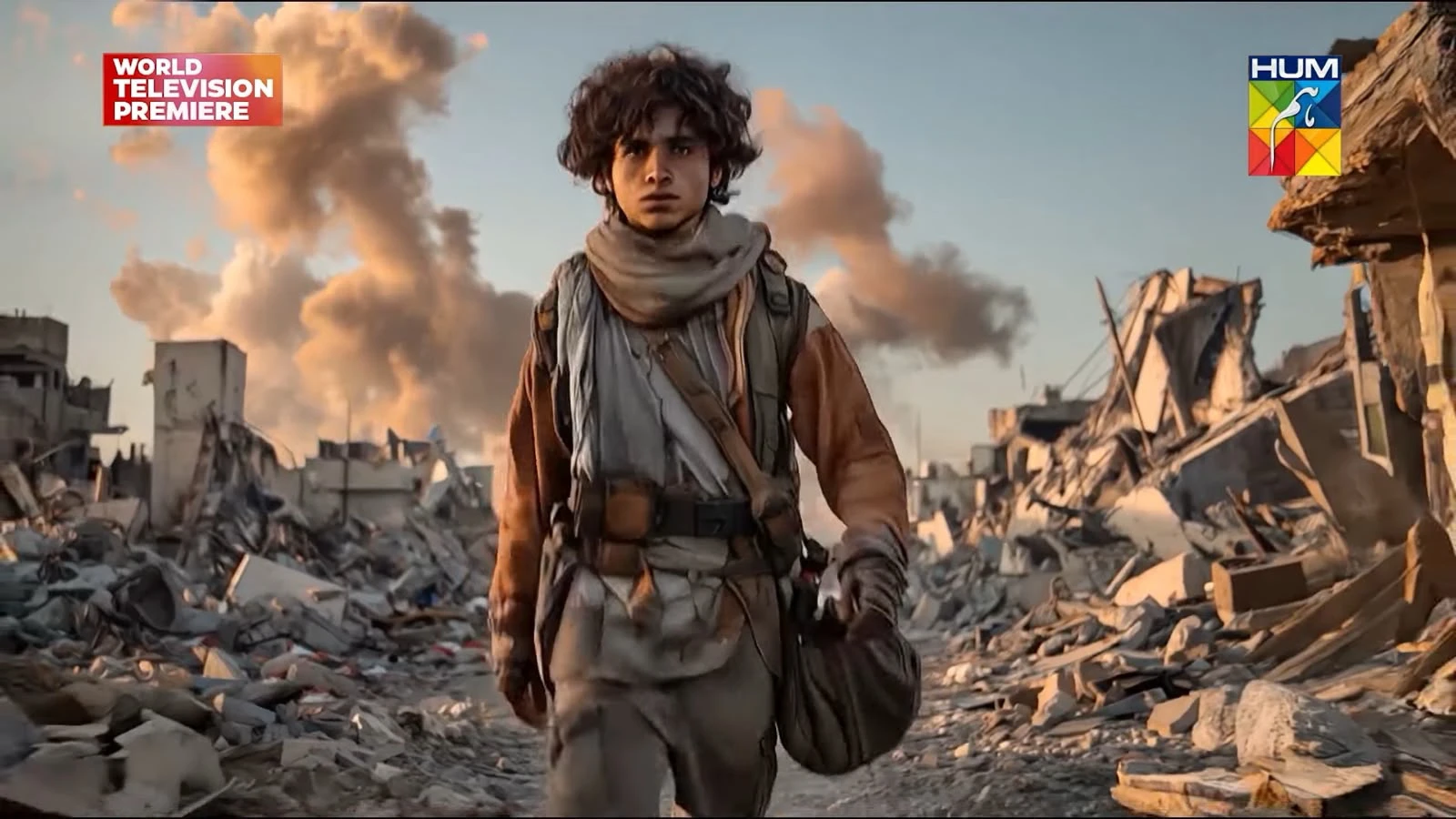
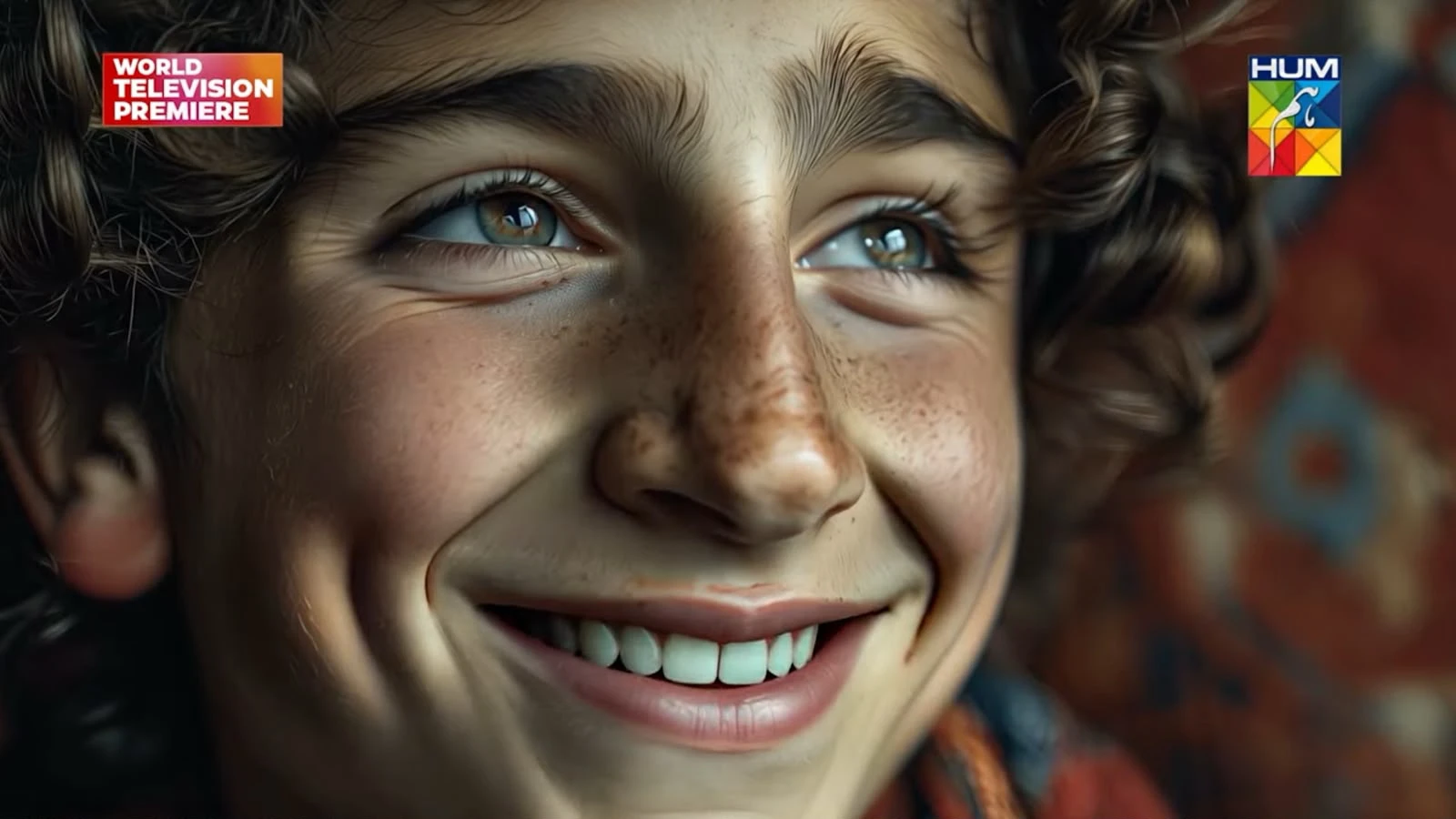
Prior to Ainak Wala Jinn, Hum TV had already decided to join the AI bandwagon, announcing the premiere of its AI-generated debut, The Next Salahuddin. A soulless faux pas, the film became not only a magnet for controversy but also a showcase of the technology's telltale artifacts, even when lighting and shot consistency are worked out. This proves that some of the issues with generative AI are embedded in the technology itself rather than being the result of a superficial usage, and neither the narrative nor the prompt material can be a saving grace for a contrived execution.
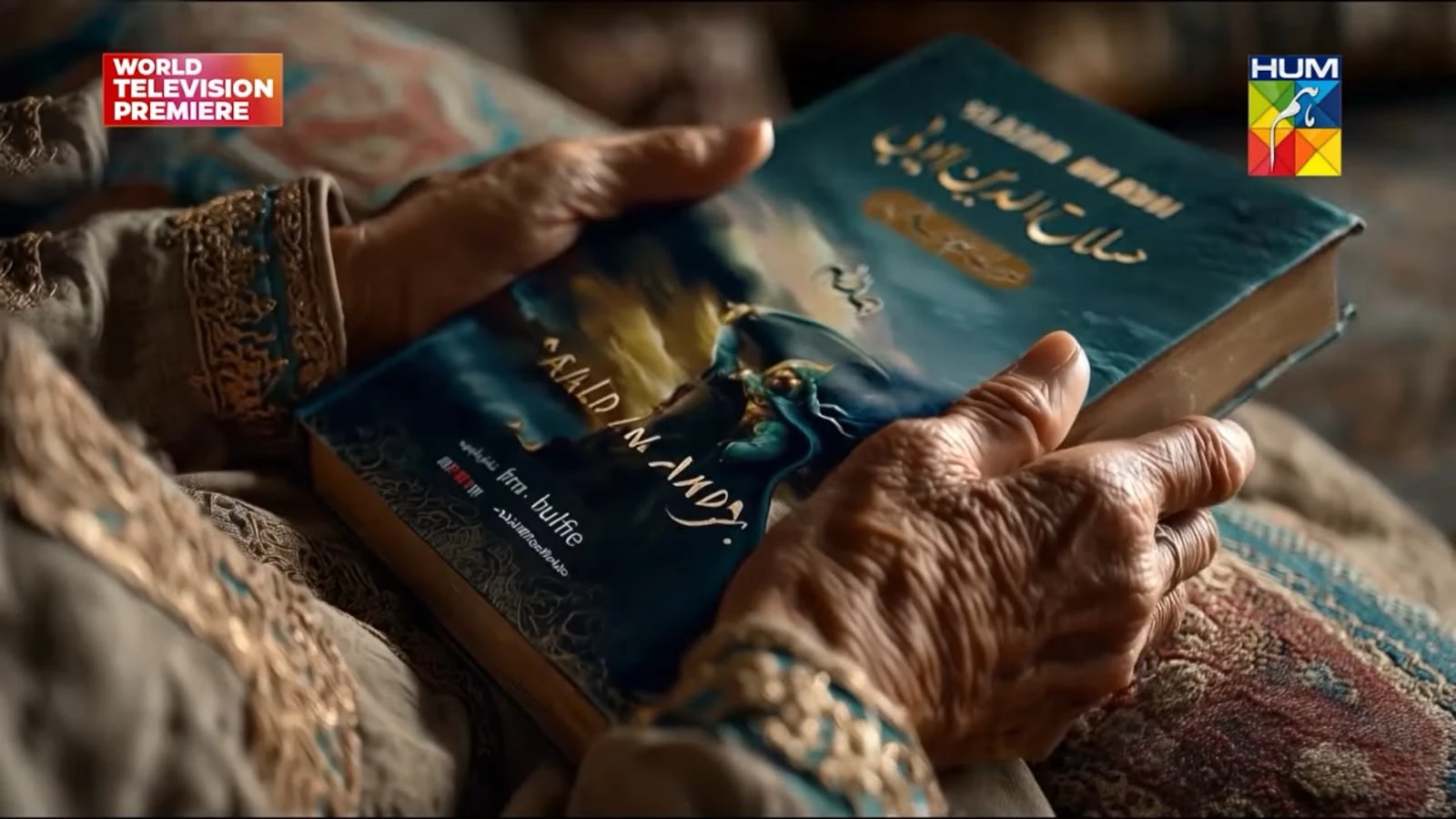
Using generative AI to depict cultures and ethnicities raises questions of representation that extend far beyond the creative realm. Very often, a technology is mistaken as democratic merely by the scope of its availability. AI models, in particular, despite being widespread, remain limited to the possibilities latent within their own dataset. Any bias buried in the training inevitably resurfaces in the aesthetics of what gets generated. Often, this means the gradient of racial diversity is reduced to a few skin tones, mostly white. Entire cultures may be reduced to their most legible stereotype that the model could prop up in a few minutes. That said, video generative AI splits into two modes, text-to-video and image-to-video. The latter stays tethered to at least the aesthetic information from the source image; the former offers no such anchor, leaving the model to interpret the prompt, including its racial and cultural stakes, entirely on its own terms. A white child in Lahore is not just a glitch in the computer but a real hard ceiling of machine learning. It is the evidence that the dataset has no requisite experience to contextualise visuals with their respective cultural nuances.
These recurring flirtations with artificial intelligence, backed by institutions such as the state broadcaster, may carry stakes graver than the mere spirit of artistry. If anything, they are a prime example of convenience masquerading as progress, putting into question the state's custodianship of its own creative and cultural heritage.
Pakistan is not the only country failing to engage with discourse on AI at the state and institutional level. Even countries that are leading AI research are yet to arrive at a stable policy. The ethics of AI, too, remain, to a degree, a work in progress, even in countries such as the United States. In fact, a plethora of American filmmakers including Darron Aronofsky (who co-founded AI film studio Primordial Soup) and industry veteran Martin Scorsese have supported the use of AI technology in varying stages of film production. However, even the prominent AI advocates in Hollywood are not parading in favour of AI slop films, but largely the integration of the technology in visual effects or pre-production and storyboarding.
It is important to note the context in which a certain technology is being deployed. One can draw a clear line between what a technology is by its own merits, and how it is deployed within contemporary systems. After all, we did not ban cars because of pollution; we developed electric ones. The question, then, is whether AI can likewise exist within a law-abiding, carbon-neutral, resource-efficient ecosystem that respects craftsmanship. For as long as this question remains unanswered — which it is as of yet — a number of notable filmmakers will keep generative AI at arm's length to their films’ marketing. The example of Eli Roth's Ice Cream Man is relevant here, as his crew used generative AI into several of its background plates and animated sequences. The director confirmed the usage of generative AI more with a tone of rather admission than of celebration. The subsequent attempts to steer the media attention away from AI usage is a good reflection of how increasingly risky it is for major international films to wear ‘Made with AI’ as some badge of honour, unlike in Pakistan.
These recurring flirtations with artificial intelligence, backed by institutions such as the state broadcaster, may carry stakes graver than the mere spirit of artistry. If anything, they are a prime example of convenience masquerading as progress, putting into question the state's custodianship of its own creative and cultural heritage. A legal framework governing artificial intelligence has yet to be formalised in federal law. Pakistan did unveil a National AI Policy in July 2025, though the framework proves shallow on the legal architecture of implementation and thinner still on AI safety protocols — a policy, very obviously, is not a constitutional protection. Citizens are left at the mercy of existing copyright law and the Prevention of Electronic Crimes Act 2016, while the country remains woefully unequipped to catch the inventive ways generative AI may infringe upon intellectual property.
There's a subtle failure to take note of beyond the legal debates: an increasing lack of critical thinking about aesthetics. In recent months, several notable Pakistani businesses followed suit and quietly pivoted their television commercial production toward generative AI as well. For a country that produces astonishingly few films a year, advertising has long been local filmmakers' bread and butter. There are reports that the recent AI integration has already begun a series of layoffs most notably of storyboard artists across the industry. To the detriment of these freelance creatives, in some ways, the advertising industry is even more forgiving of AI’s artifacts than cinema or television, since the sector already trends toward polished visuals, perfect soft lighting, exaggerated expressions, and sets that feel unmistakably like, well, sets — all of which can win client approval with relative ease. Advertising, in other words, already suffered from low filmmaking standards that generative AI could easily clear.
That a project could be generated with AI, marketed as such, made poorly enough to resemble an AI reel, boasting several unremoved Gemini logos, and still released nationwide in theatres with the national television's own backing — this hints at a grim future for cinema in Pakistan.
That said, real-world physics still remains generative AI's most notable and stubborn bottleneck, where the technology produces results that are unpredictably comical and uncanny in equal measure. Both The Next Salahuddin and Ainak Wala Jinn falter here, unable to sustain even a basic consistency in how bodies and objects move through virtual space. The technology registers less as a filmmaking tool than a liability that the productions have cheerfully imposed upon themselves. What's irrational is not merely the industry's celebration of generative AI — built, as it is, on an overestimation of its own capabilities — but the absence of any real discussion or policy on what proper use of it might even look like. That a project could be generated with AI, marketed as such, made poorly enough to resemble an AI reel, boasting several unremoved Gemini logos, and still released nationwide in theatres with the national television's own backing — this hints at a grim future for cinema in Pakistan.
Cultural theorist Mark Fisher coined the term ‘hauntology’ to describe a promised future that has disappeared, and yet continues to haunt the present. For creatives not only in Pakistan but globally, that promised future was the democratisation of filmmaking, arriving with the advent of consumer-grade digital imaging technology; the utopia where any filmmaker gets to make their film. Paradoxically, however, that same technology has handed the means of filmmaking to almost anyone who wants it — and, in a final twist, to itself. What Pakistan's media industry fails to understand is that a technology capable of producing moving images does not, by its mere arrival, enrich the culture around it. Technological progress may advance by leaps; however, the society and the workers around it do not necessarily grow proportionally. Fisher called this widening distance the "slow cancellation of the future." With this push for an AI-generated rehashing of Pakistan's cultural heritage, what we achieve is our own quiet version of that cancellation — the past endlessly remixed and mistaken for the new, for years and years to come.
Jalaluddin Hyder is an independent filmmaker, cinematographer, and critic based in Karachi. His films have screened at Hudson Valley Museum of Contemporary Arts, Egyptian American Film Festival, Alliance for Media Arts and Culture, and more. He can be reached at @hyder_films on Instagram.