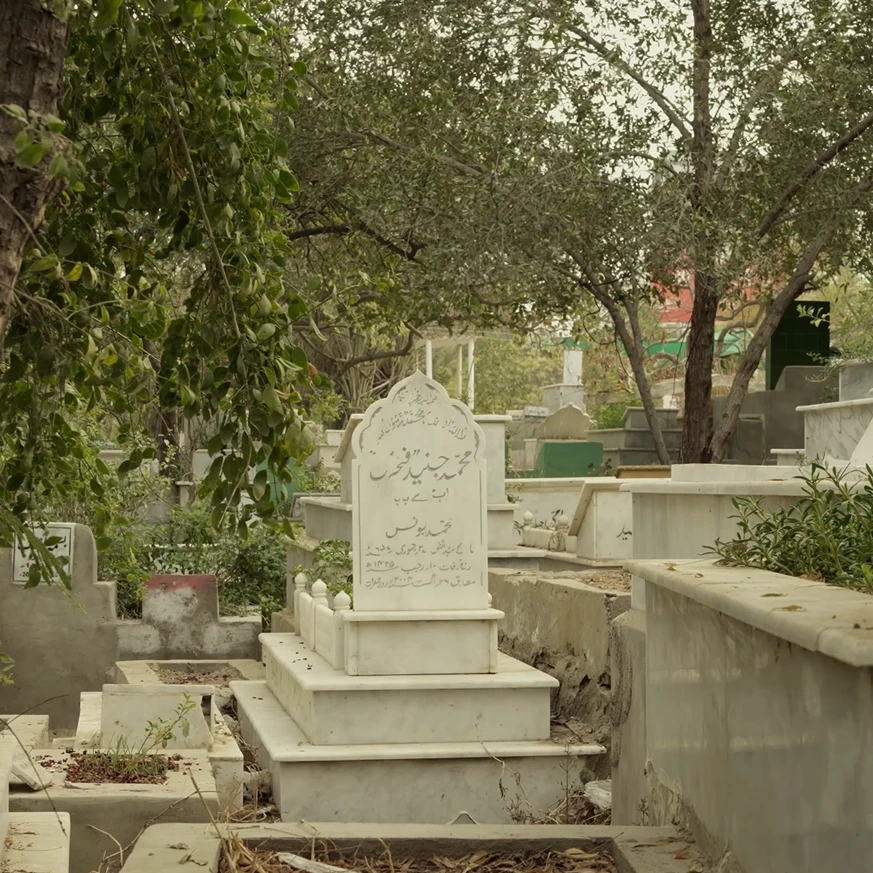
The Tariq Road Graveyard greets visitors with a loud rustling of leaves and a fresh blow of the westward wind, sheltering them from Karachi’s excruciating heat. The graveyard seeks refuge in a silent residential area, adjacent to the chaotic Tariq Road, a busy market-place for shoppers. Functional since 1953, this graveyard, situated in PECHS Block 2, makes itself recognisable through a series of marble tombstones plastered into the walls beside the entrance gates. Upon entry, visitors experience a crunch of dried petals and leaves under their feet, as their musky scent greets them before they can visit their loved ones.
Graveyards are not just a place for burying the departed, rather, they embody emotional resilience: they help individuals process grief and maintain memories. Mourners spread flowers, recite scripture and sprinkle water on the graves of their loved ones to process their grief.
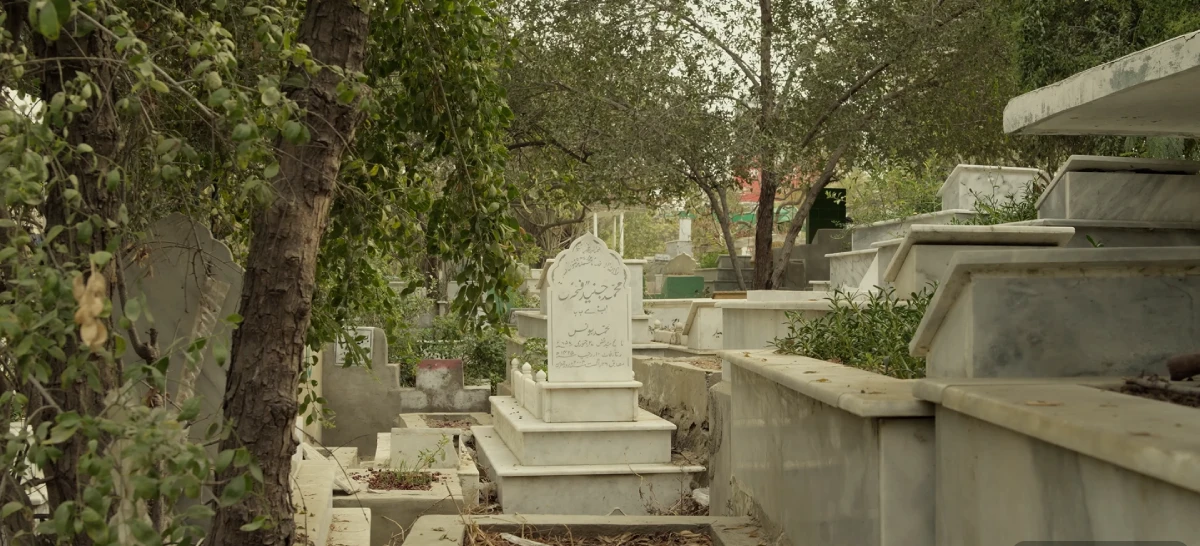
Burial rites and post-burial mourning rituals are culturally rooted practices that get reshaped by different generations, and despite their ever-changing form, play a significant role in helping grieving families accept loss. These “ceremonies and rituals provide a structured environment to openly express grief, surrounded by a community that shares in [the] sorrow”—they are crucial for communities that rely on collectivist bonds.
What then of family members who have relocated to other cities or countries and are unable to attend funerals? Or who are unable to frequently visit the graveyards, even if they are in the same city?
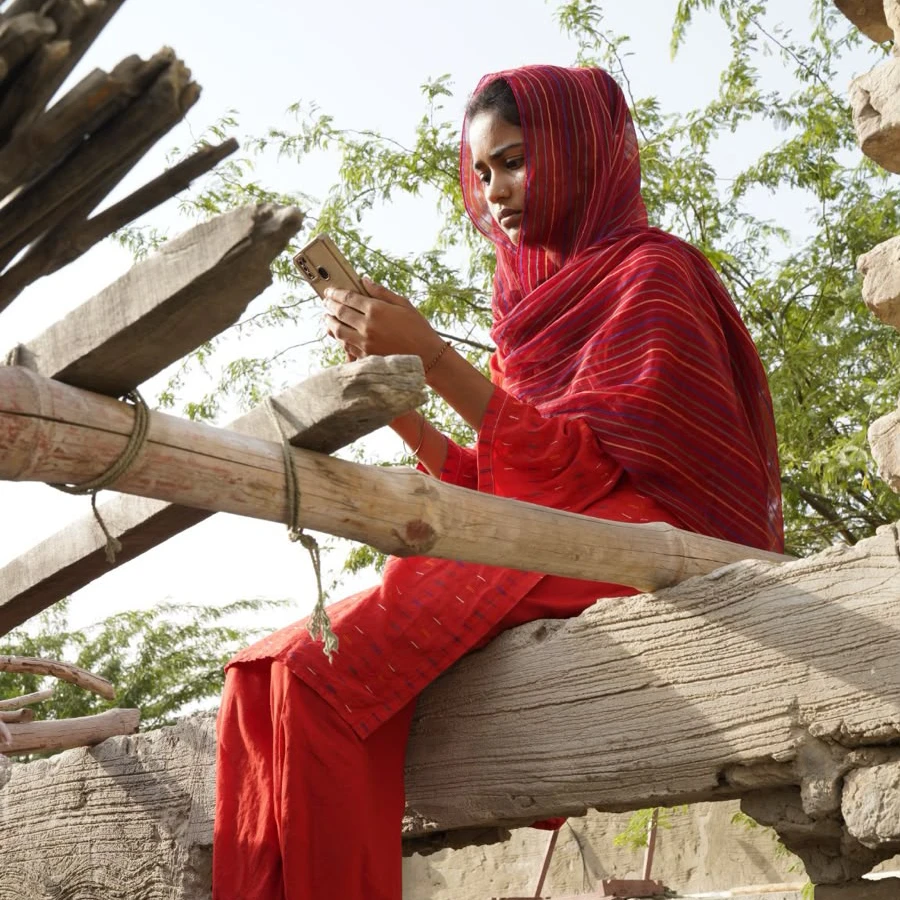
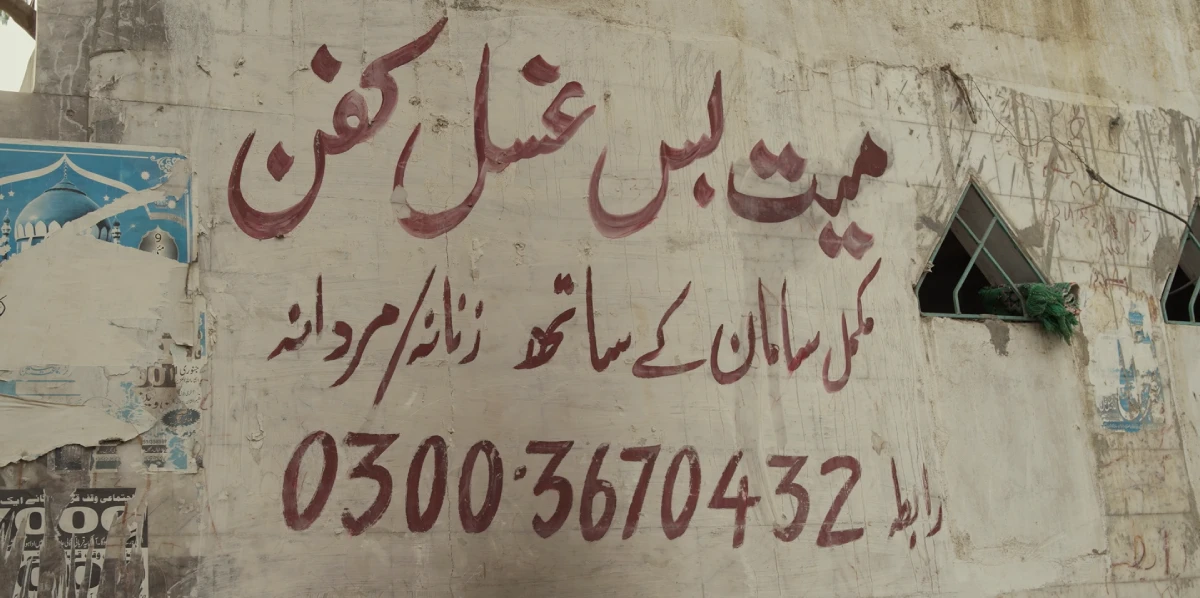
Following the mourning period, grief processing becomes a more individualised experience. Mourners unable to partake physically in the collective or individual rituals have adapted to modern ways of grieving. During recent visits to various graveyards I noticed a rise in a digital culture of grief that has bridged the gap between the living and the dead—service providers for bathing and embalming the dead advertise their phone numbers on the graveyard’s walls, ensuring that mourners know what to do in their time of loss. Through mobile connections, graveyard workers are conveniently linked to the deceased’s family members, allowing the family to maintain some form of connection with their late relations, despite geographical or time constraints.
Today, a phone call can get flowers spread over a grave, a text ensures security and cleanliness of graves and a bank transfer enables payment for these digital rituals.
Now, neither mourners nor their practices are bound by the borders of cities and countries. Digital access to graveyards allows families to stay connected despite physical limitations, and to practice mourning rituals in a modernised form.
Two brothers, Bilawal and Ejaz Shah, have been selling flowers in a small, wooden stall outside the PECHS Graveyard for the past twenty years. Their stall is decorated with flowers available in a variety of forms: garlands, bouquets and bags of petals. Near the kiosk, one continues to hear the ripping of tape as the older brother puts together one bouquet after the other. Although one does not see many customers at their stall, they are always on the go, getting digital orders for performing rituals on call.
Every now and then, a customer asks the Shah brothers for a bag of petals. The brothers have gained regular customers for organising commemorative rituals to be performed over the years. “When some of them are in a hurry, they directly go to the graves, say a prayer and give us a call to sprinkle flowers later. My brother puts rose petals into a plastic bag and completes the job,” relates Bilawal.
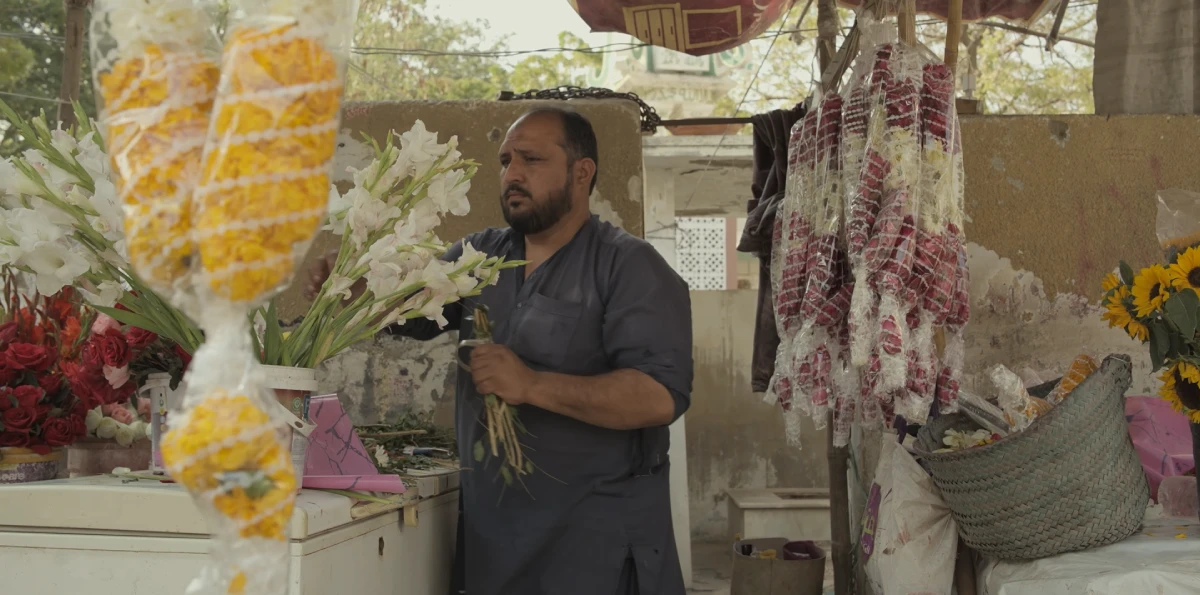
The brothers never imagined that they would receive local and international calls to lay flowers on graves. As they carry out these requests, they have increased respect and value for the customers who still think about their loved ones, in spite of the distance. As I walk around I notice another aspect of this digital culture in graveyards: a young man, perhaps in his mid-twenties, pulls a mobile phone out of his pocket. In a few clicks, the screen displays Arabic text of Surah Yaseen, ascribed for visitors to recite for their departed. He recites the text, says Ameen, and exits the graveyard.
Over at the Wadi-e-Zainab graveyard, constructed on the motorway leading to Hyderabad, you can see visitors installing solar-powered lights to illuminate graves during the night. Some have also installed solar-powered loudspeakers that play recitations of the Quran.
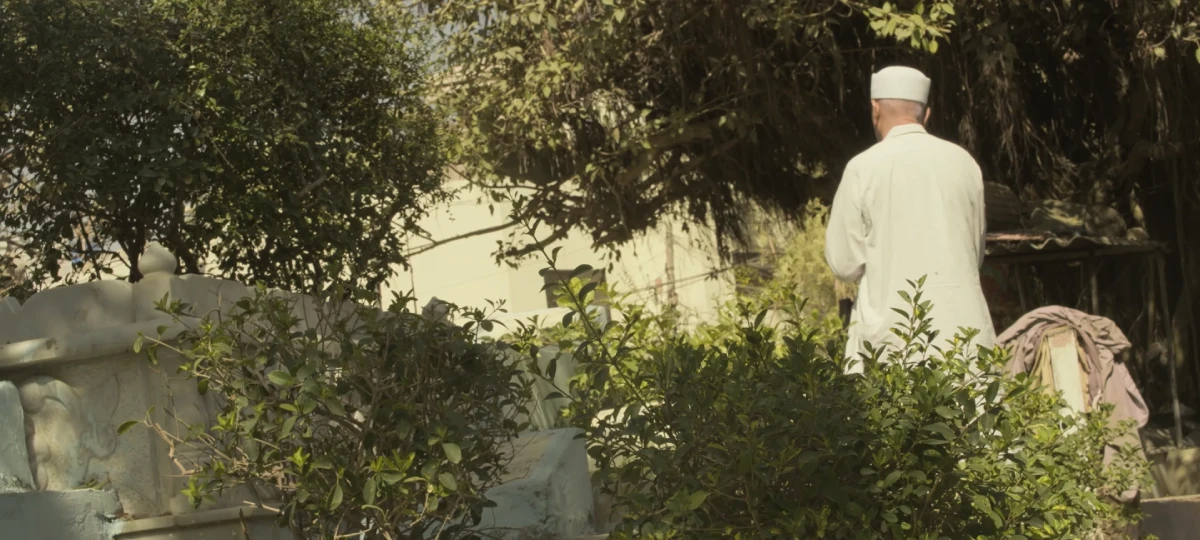
Rehmat, a young woman who has family buried in this graveyard, finds that digital connections allow her to remain in touch with the space and her close family buried here, despite living some distance away from the city.
These digital aspects are not limited to those who work in the graveyards, family members also contribute to maintaining these connections. Rehmat’s uncle, for instance, will post a picture of his mother’s grave on his WhatsApp status, requesting viewers to recite Surah Fatiha for her soul. When she comes across this picture, Rehmat makes sure to send prayers her way, thereby including herself in his grief.
This new version of connectivity in mourning is not limited to just one faith. I observed similar practices at the Christian graveyard, or Gora Qabristan, in Karachi.
Mashi is a gravedigger at the Gora Qabristan. As I speak to him, he works to fit a headstone carved out of Peshawari marble onto a grave. After applying a layer of cement, he lifts the heavy marble stone off a wheelbarrow and meticulously places it onto the cemented area. Ten minutes later, he wipes away excess cement, his hands still drenched in the partially dried grey globs, grabs his mobile phone and sends a picture to the deceased’s family over WhatsApp, expressing a sense of gratitude and satisfaction. He states that many Christians who have moved out of Pakistan still want to stay in touch with their family members, and this is an effective way of doing so. After he sends them pictures, they transfer a sum of money into his bank account, making his extremely tough job worthwhile. “We must not forget those who have died. We should remember the good days that we spent with our loved ones, and visit them in reverence of those times,” he adds.
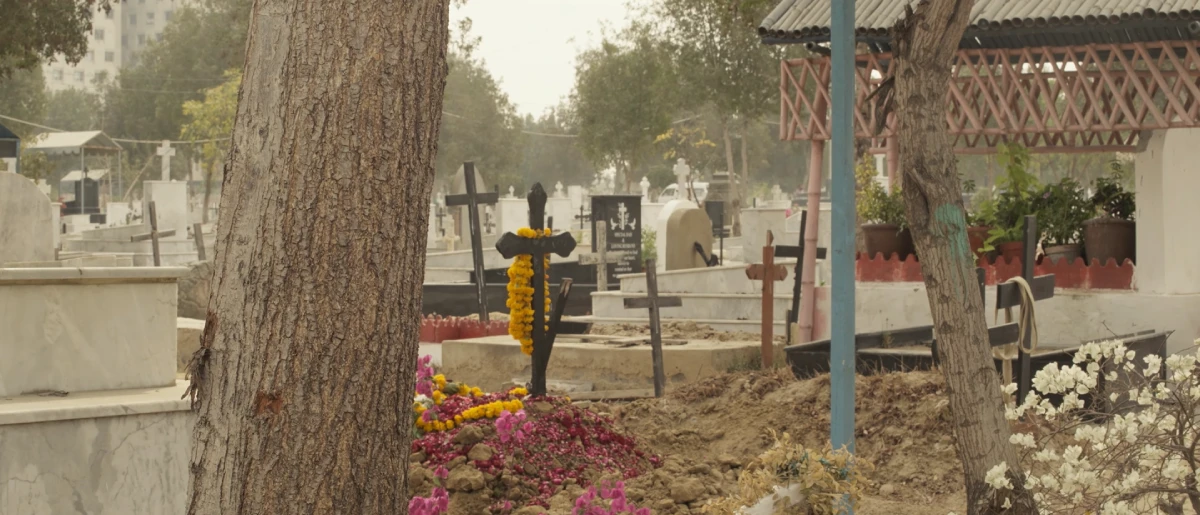
Pervez Gill, a volunteer at the Christian graveyard, aspires to give back to his community in the form of developing a digitised version of the cemetery. Upon his visits to various graveyards in Venice and Germany with his expatriate family, he found them to be much more organised than local cemeteries. He hopes to create a website for the Christian graveyard, documenting all existing burials of the last two centuries.
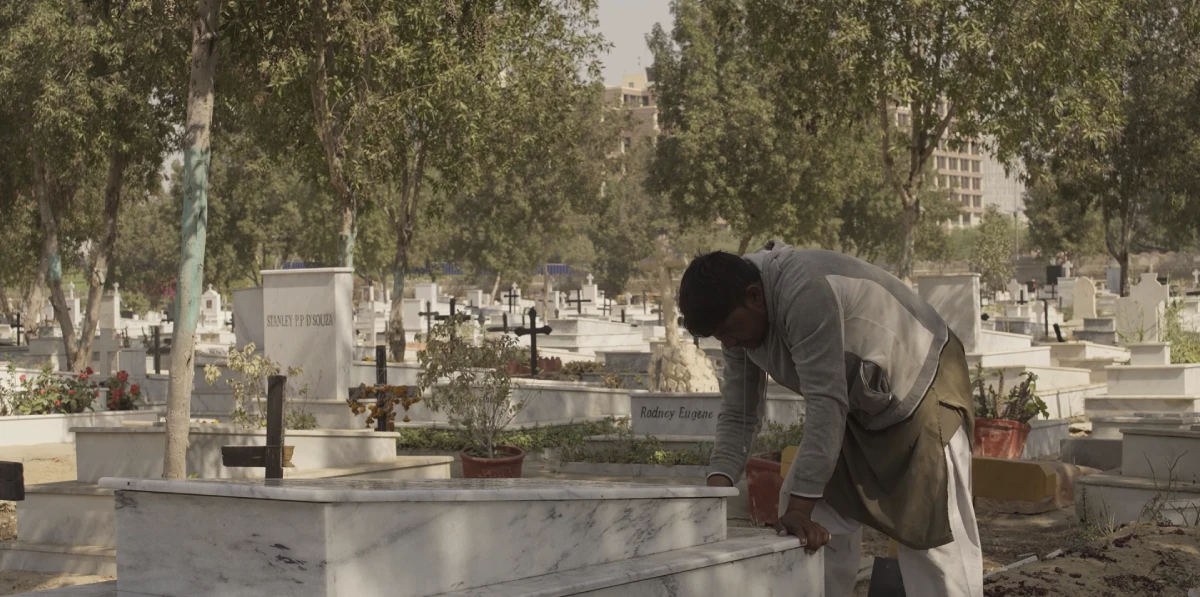
Gill envisions the website as a visual archive of those buried in the cemetery: each grave will be allocated a unique identification number. When users enter that number in a search tab, they will be able to see a clear picture of what their loved one’s grave looks like. Though he has ambivalent feelings towards the rise of technology, Gill argues that if used correctly, technology can be a great help for grieving families who are now residing around the globe due to the lack of safety for minorities in Karachi.
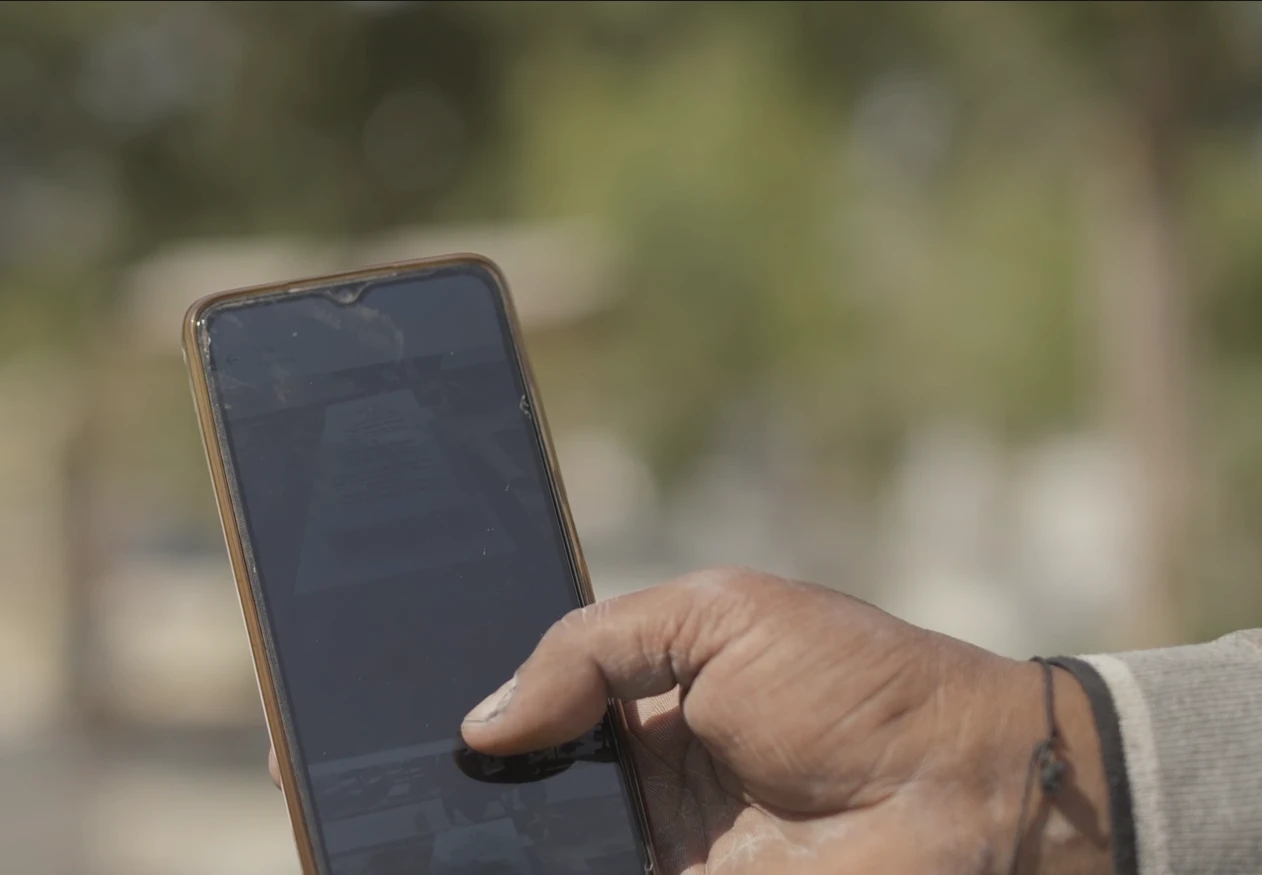
Despite appearances, technology has not replaced the traditional performance of rituals, it has extended them through the digital realm, ensuring that families are facilitated in grieving despite their distance. Mourners may recite a prayer standing beside the grave or maintain a digital connection, but the essence of their actions, to maintain an association with someone they dearly love(d), remains the same.
All images courtesy of the author.

Farazin Zehra is a passionate writer from Karachi who likes delving into cultural stories that explore the intertwining narratives of culture, architecture, and the dynamics of gender and identity in the city.